What Size Umbrella Should You Choose? A Guide to Dimensions and Diameters
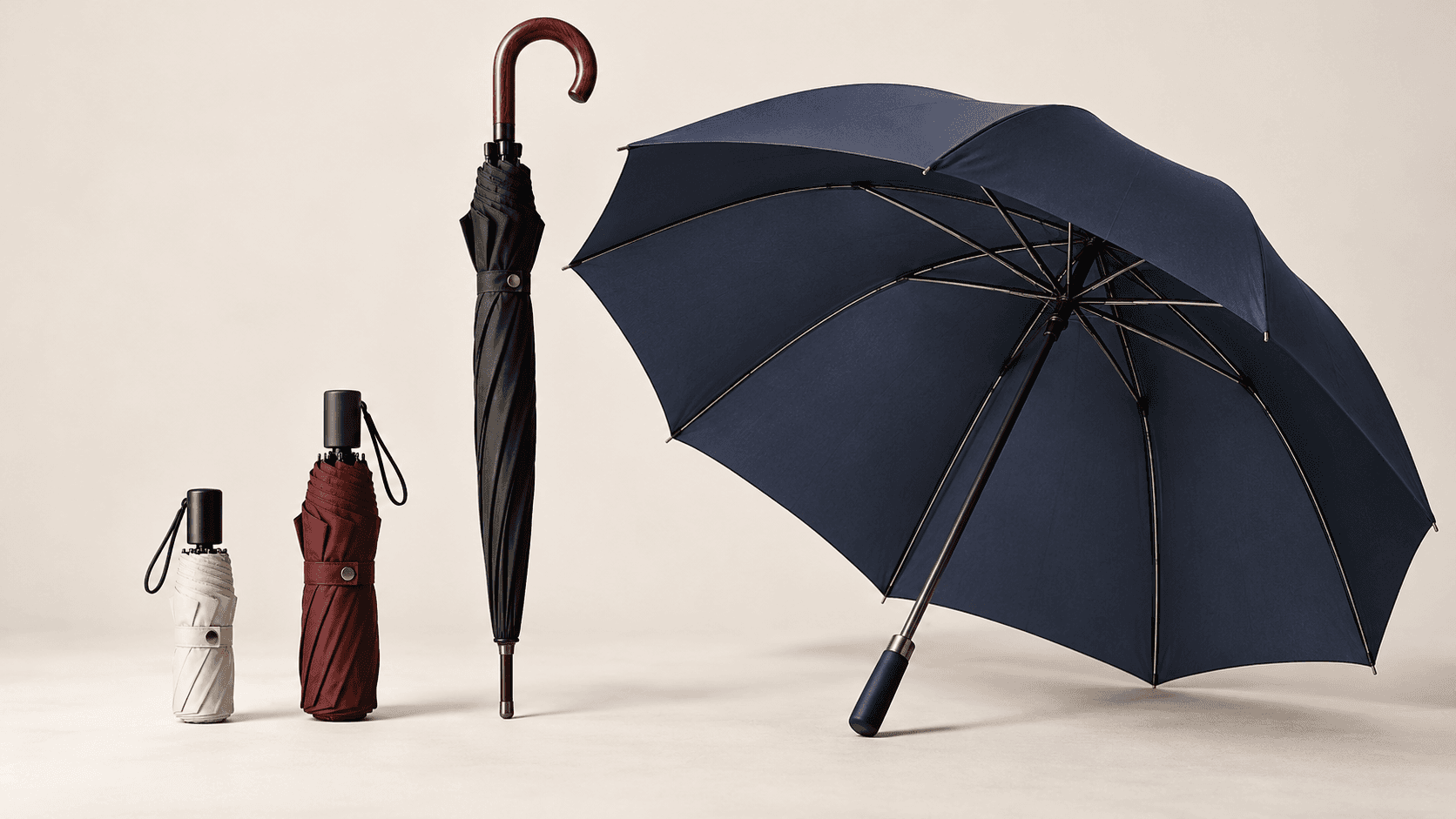
Choosing the right umbrella size is about balancing protection and ease of transport. For a single adult, an open diameter of about 95 to 105 cm is generally a versatile choice. A smaller model favors mobility and storage in a bag; a diameter over 110 cm offers better protection for a large frame, a backpack, or two people, but takes up more space. These benchmarks are indicative: always check the stated measurements for the model you're interested in.
The right choice depends less on an "ideal" size than on your commute, what you're carrying, and the space available once the umbrella is closed. This guide explains how to read an umbrella's dimensions and choose without confusing diameter, length, and bulk.
How to Choose the Right Size in Seconds
If you're in a hurry, start with your situation rather than a commercial label. The ranges below help preselect a format; they don't replace the product sheet.
| Situation | Priority | Format to Consider | Measurement to Check | Main Compromise |
|---|---|---|---|---|
| Commute and Work | Easy Storage | Folding or Compact | Closed Length, then Open Diameter | A very short model may cover less extensively |
| Small Bag | Minimal Bulk | Mini or Pocket Umbrella | Closed Length and Thickness | More Limited Protection |
| Tall Person | Coverage and Comfort in Hand | Standard or Large Adult | Open Diameter and Shaft Length | More Volume to Carry |
| Backpack or Belongings | Space Behind Shoulders | More Covering Canopy | Diameter and Dome Depth | Weight and Maneuverability |
| Two People | Useful Width | Large Format or Two-Person Model | About 120 cm or more, to be confirmed by the sheet | Bulkiness and Movement in Crowds |
| Child | Control and Visibility | Child Model Suited to Their Size | Weight, Shaft Length, and Open Width | A Canopy Too Large Becomes Hard to Handle |
| Emergency Umbrella | Always Have It With You | Mini or Compact | Closed Dimensions and Weight | Reduced Coverage Accepted |
Understanding Umbrella Dimensions
A product sheet may display several figures that don't describe the same thing. The open umbrella diameter generally corresponds to the width of the deployed canopy, from edge to edge through the center. It's the most intuitive benchmark for estimating the covered area, but it doesn't tell the whole story: the depth of the dome and the shape of the panels also influence the actual protection.
The word span is sometimes used as a synonym for diameter. Elsewhere, the measurement is taken following the curvature of the canopy rather than in a straight line. Two close values can therefore produce different sensations. Since methods aren't perfectly uniform across brands, compare primarily measurements defined in the same way and consult the measurement diagram when available.
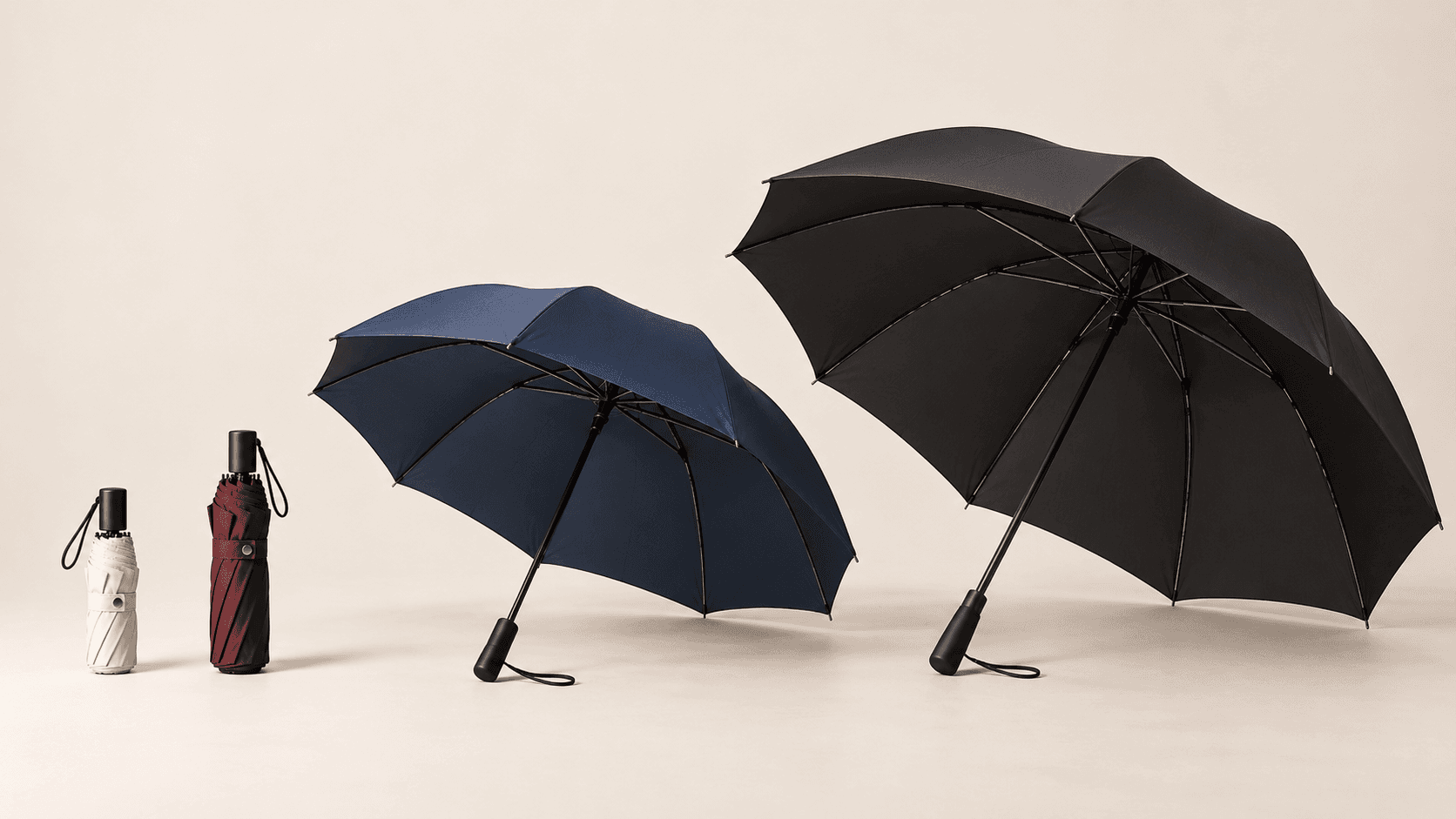
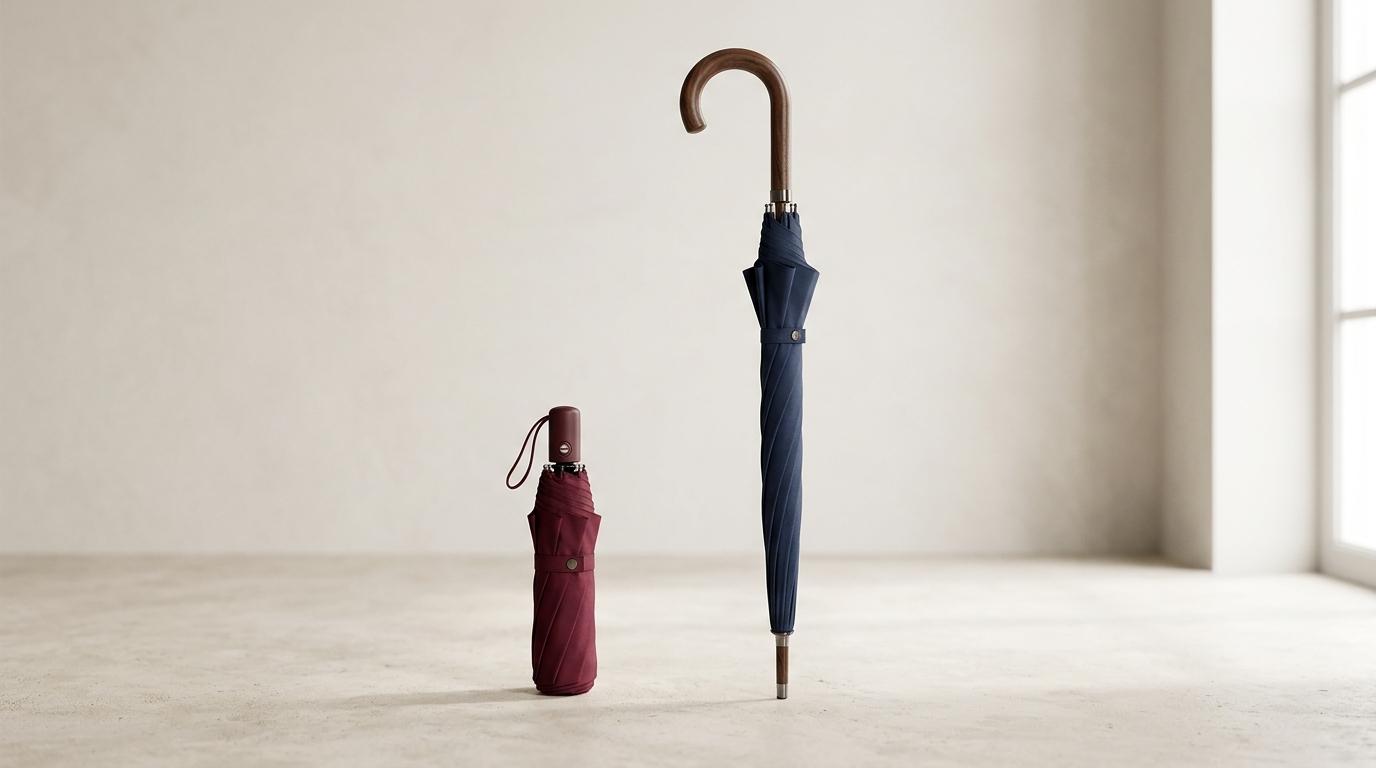
The closed umbrella size indicates its bulk when not in use. It's crucial for a model intended for a handbag, laptop bag, or cabin suitcase. A short pocket umbrella is easy to carry, but its mechanism generally has more sections than a straight umbrella. For a daily commute, simply measure the pocket or compartment where you plan to store it.
The shaft length mainly concerns comfort in hand. On a cane umbrella, it's close to the total length; on a folding one, it only reveals itself once the model is deployed. A tall person will often appreciate a shaft that allows holding the handle without excessively raising the arm. Finally, weight matters as much as centimeters: a large, light model can be more pleasant on a long walk than a dense, compact one, while an ultra-light model will be more discreet in a bag. The selection of lightweight umbrellas allows you to explore this compromise.
How to Compare Two Sheets Using Different Measurements?
Only compare equivalent sizes: straight diameter with straight diameter, measurement following the curvature with the same convention, closed length with closed length. A rib length should not be doubled to create an approximate diameter: the curvature, hub, and canopy geometry make this calculation misleading. If a sheet doesn't specify its convention, consider the comparison uncertain and request the missing measurement rather than deducing a figure.
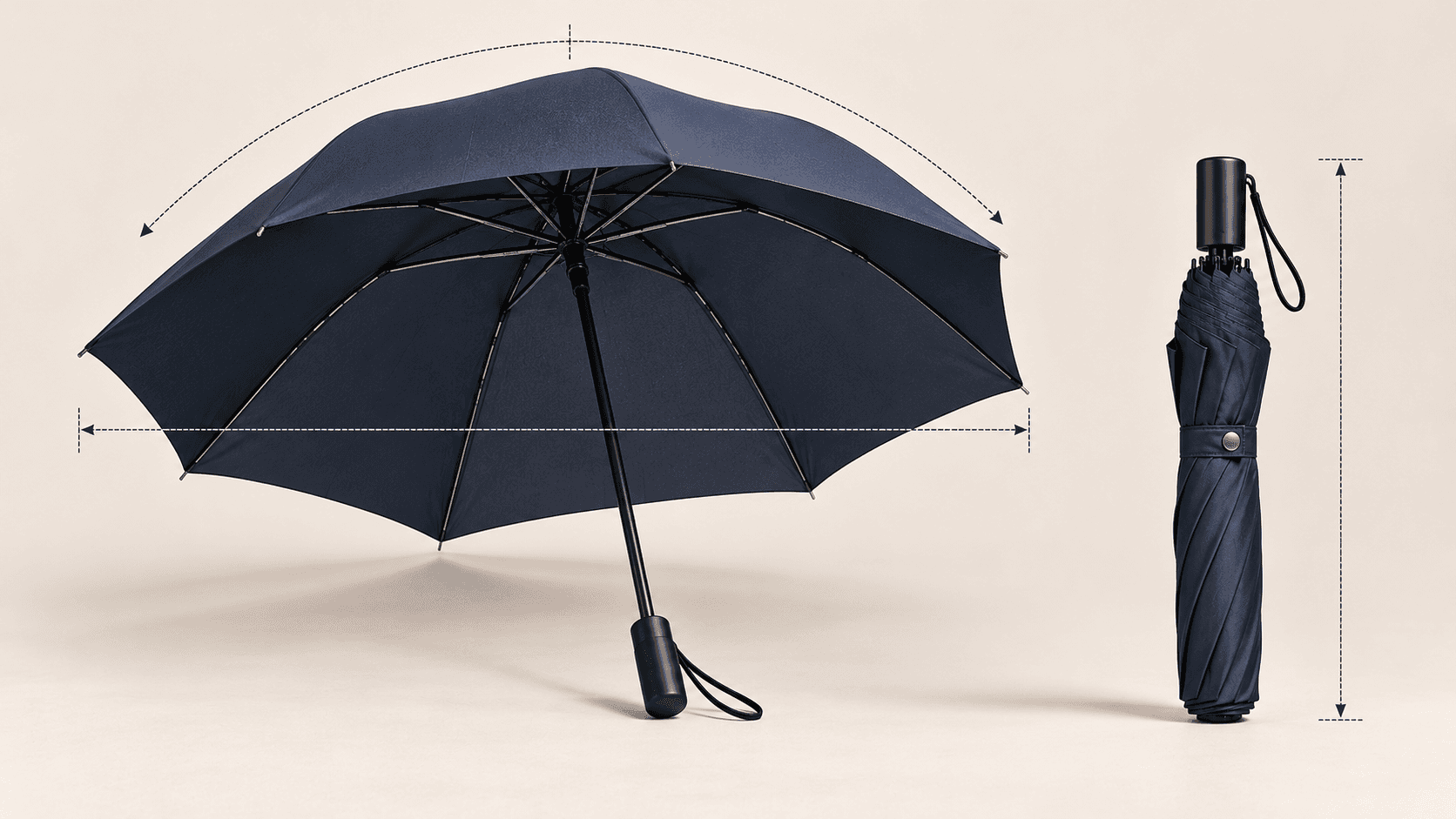
Personally, I would first look at three values: open width, closed length, and weight. They answer three distinct questions — how much the umbrella covers, where it can be stored, and whether it will be comfortable to carry. The folded thickness also deserves a look for a small bag: two models of the same length can occupy very different volumes.
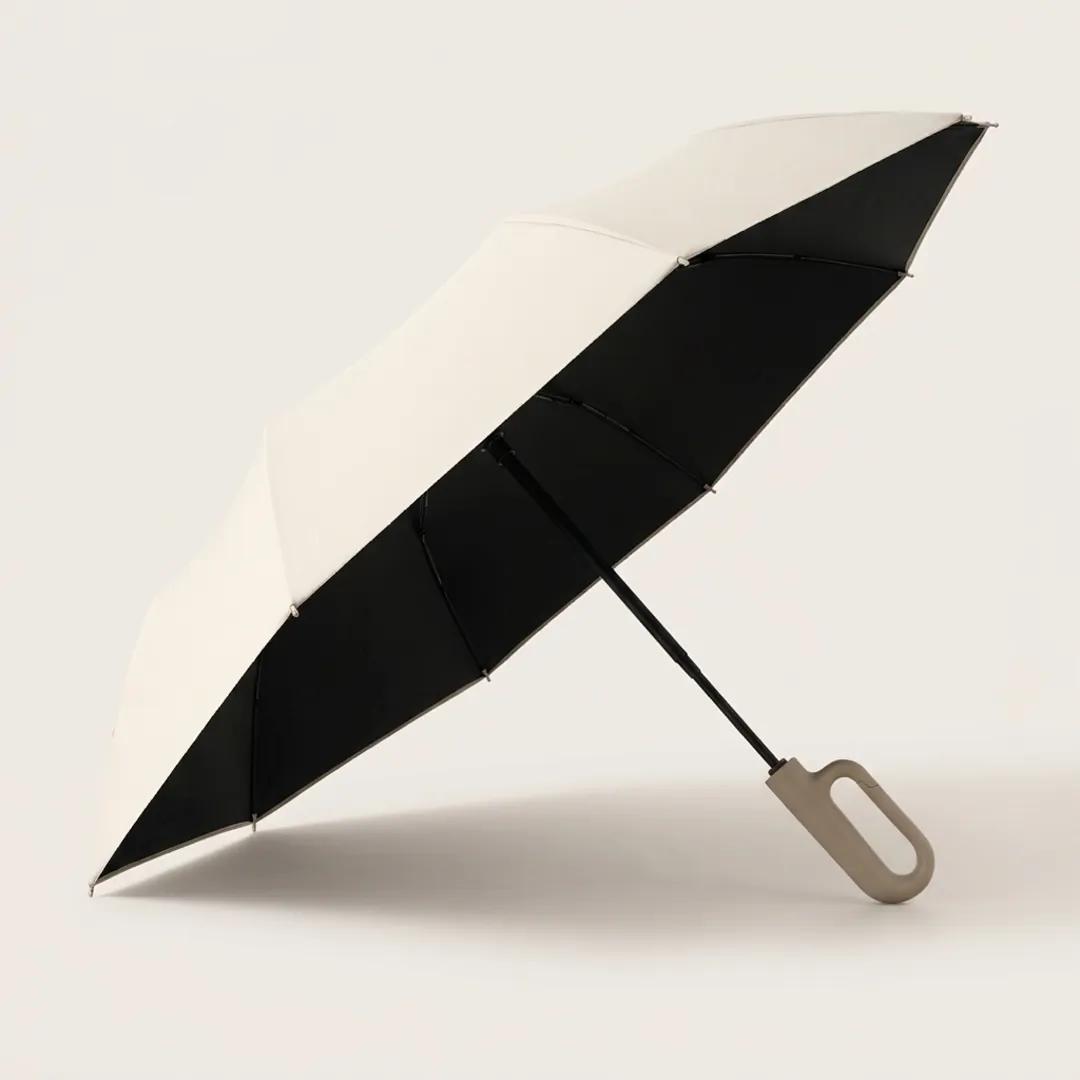
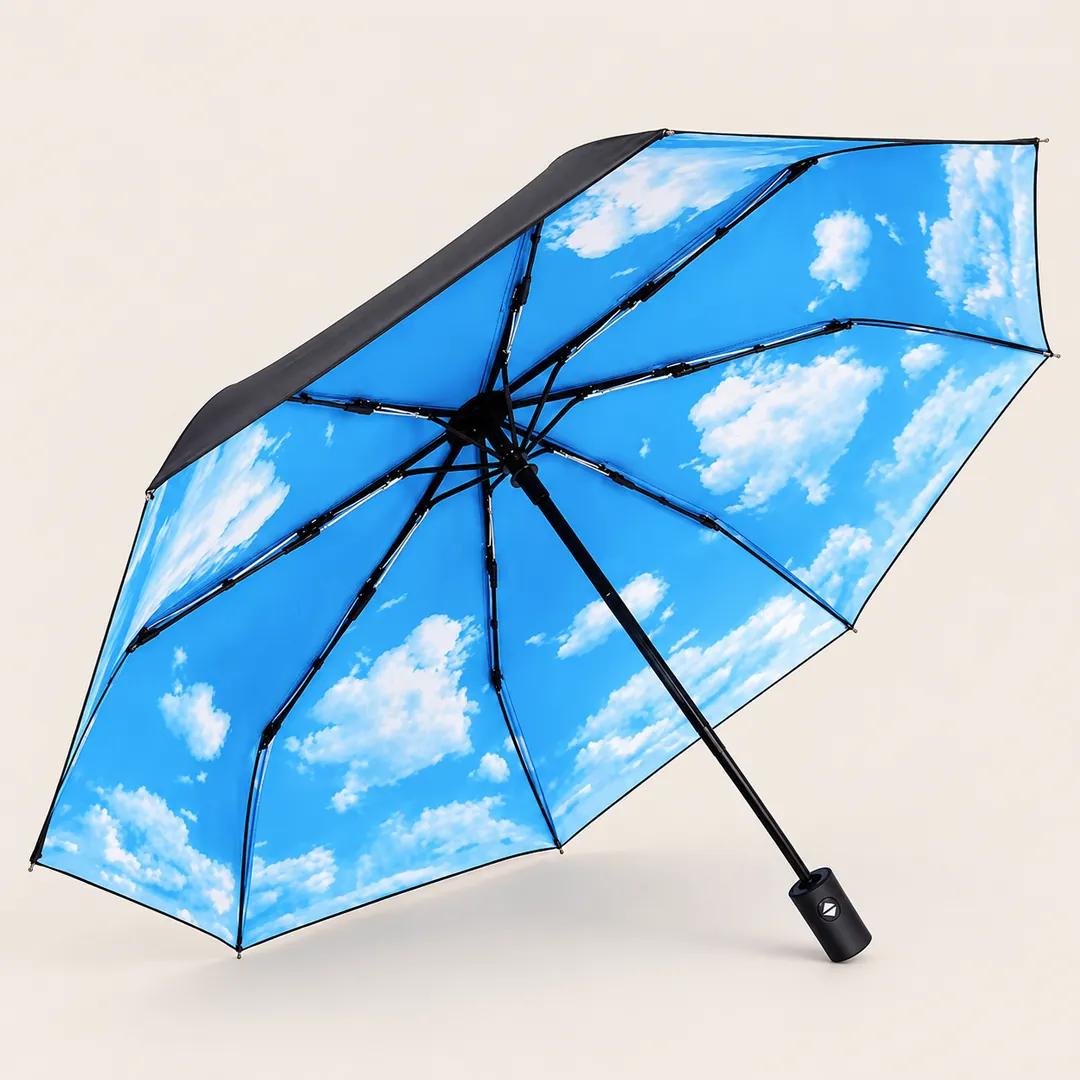
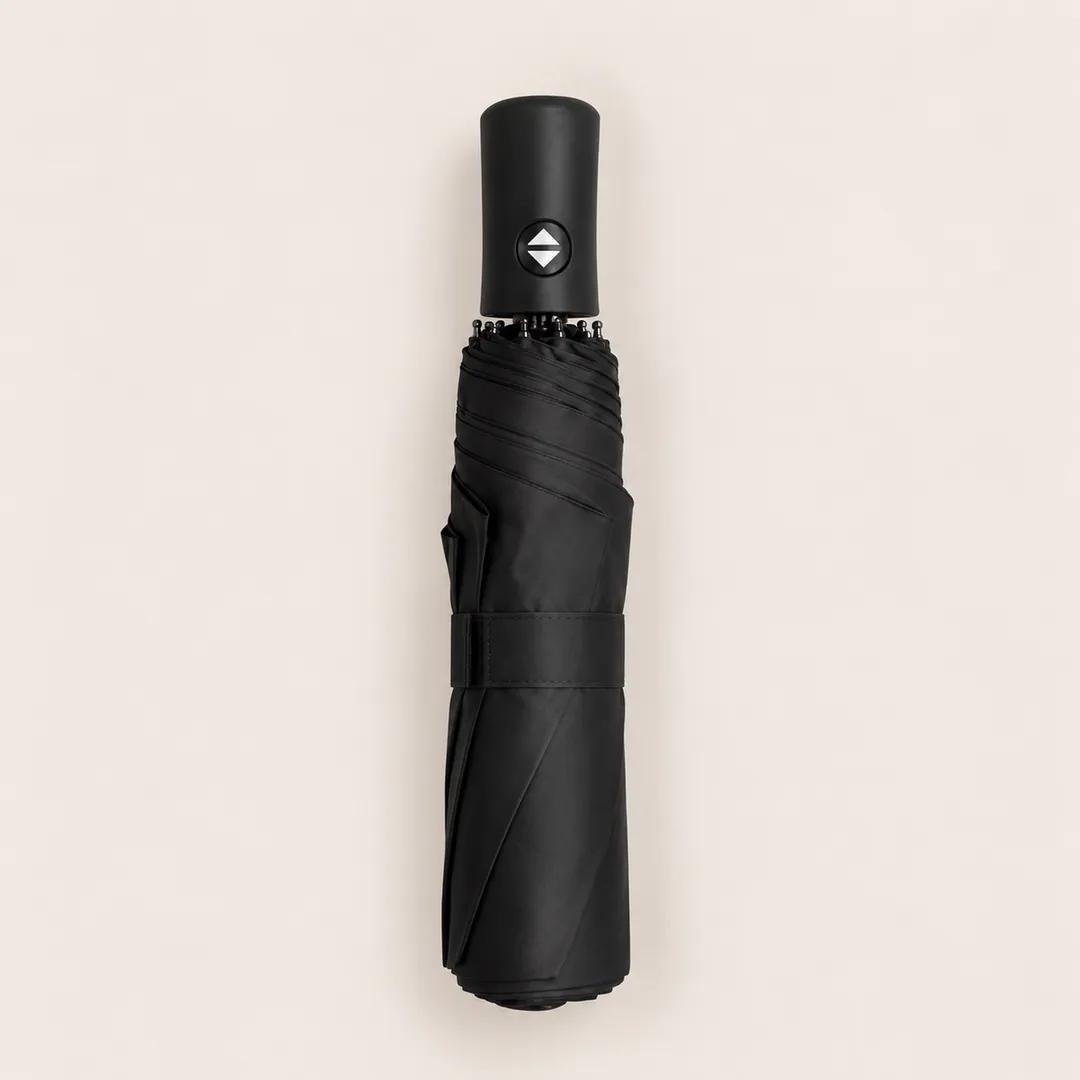
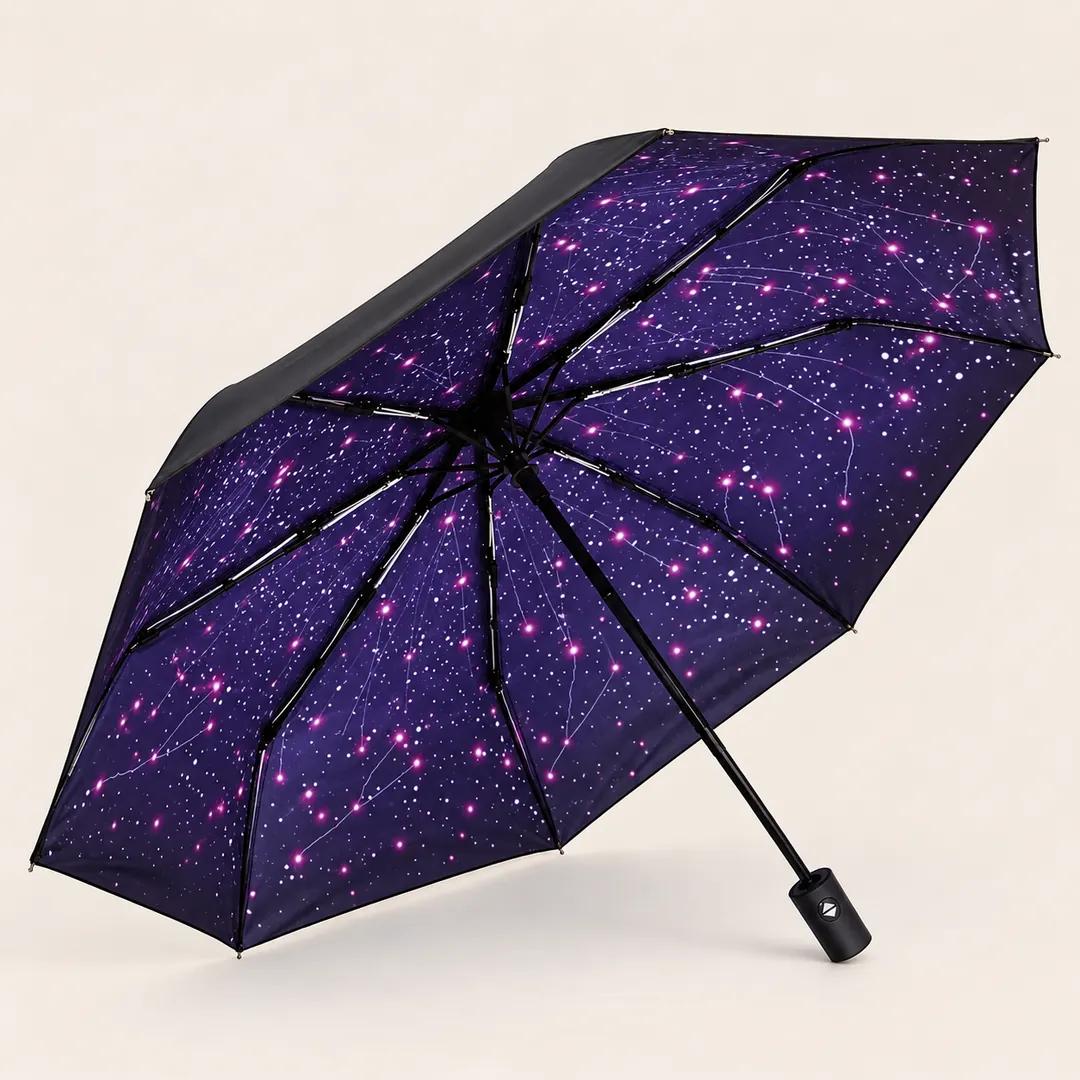
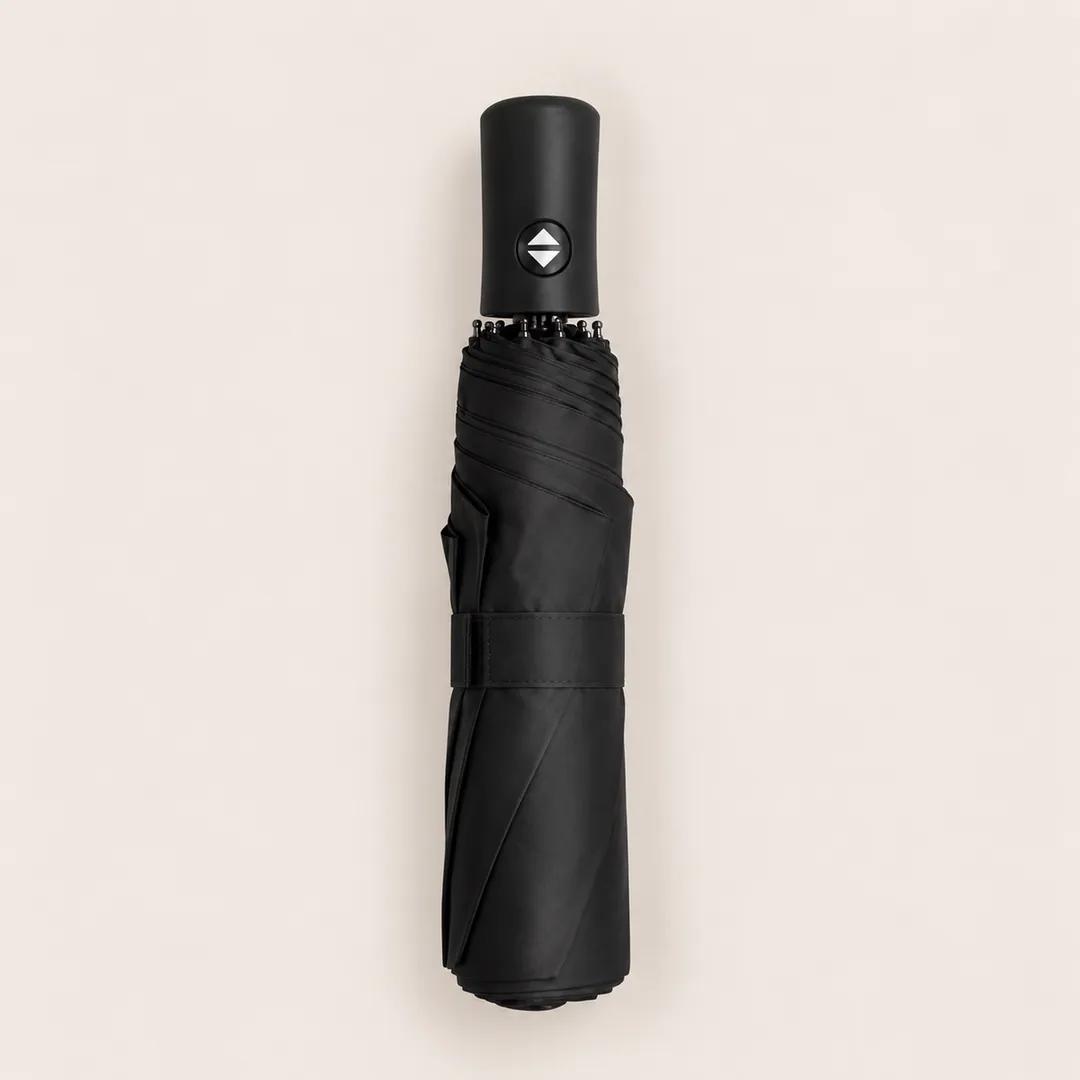
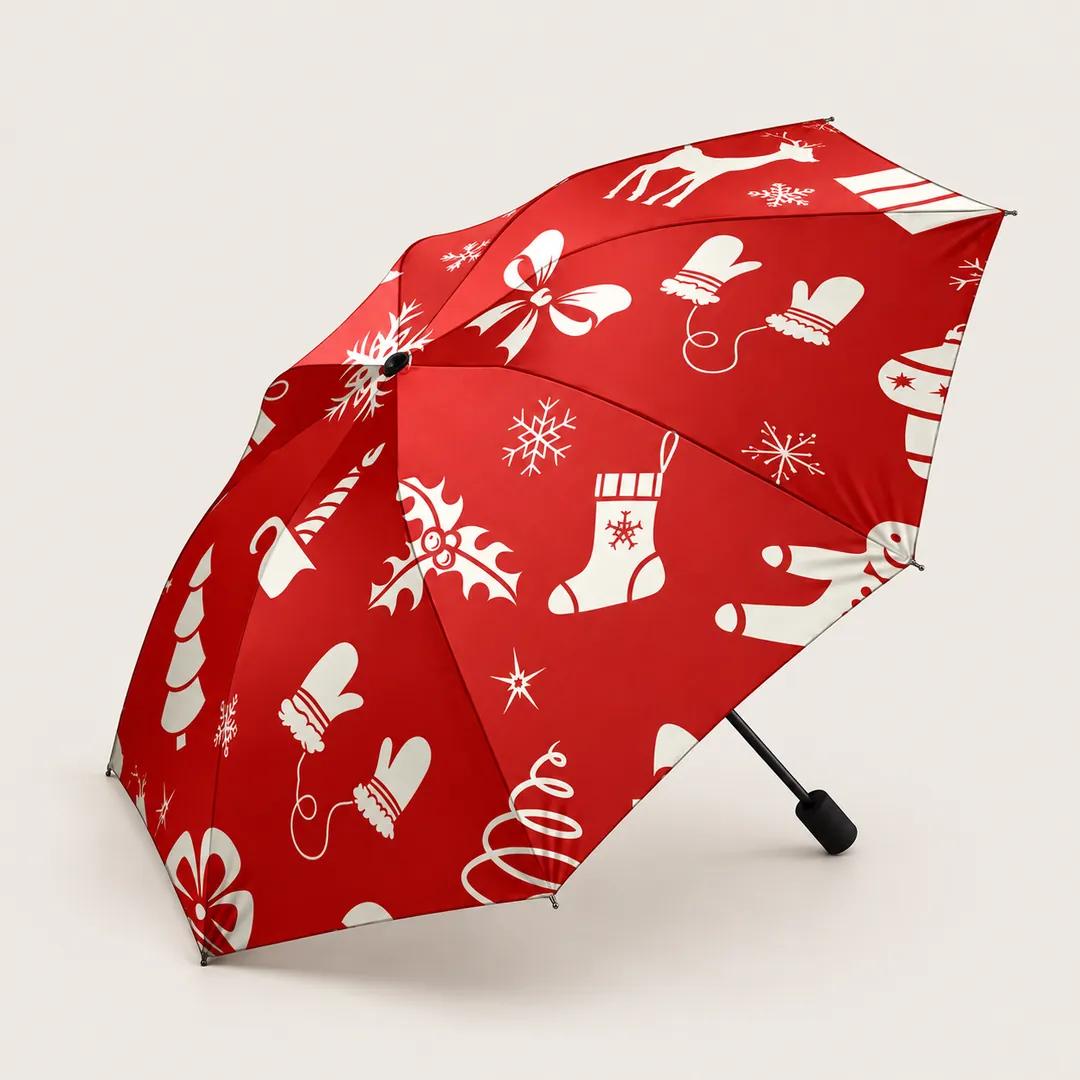
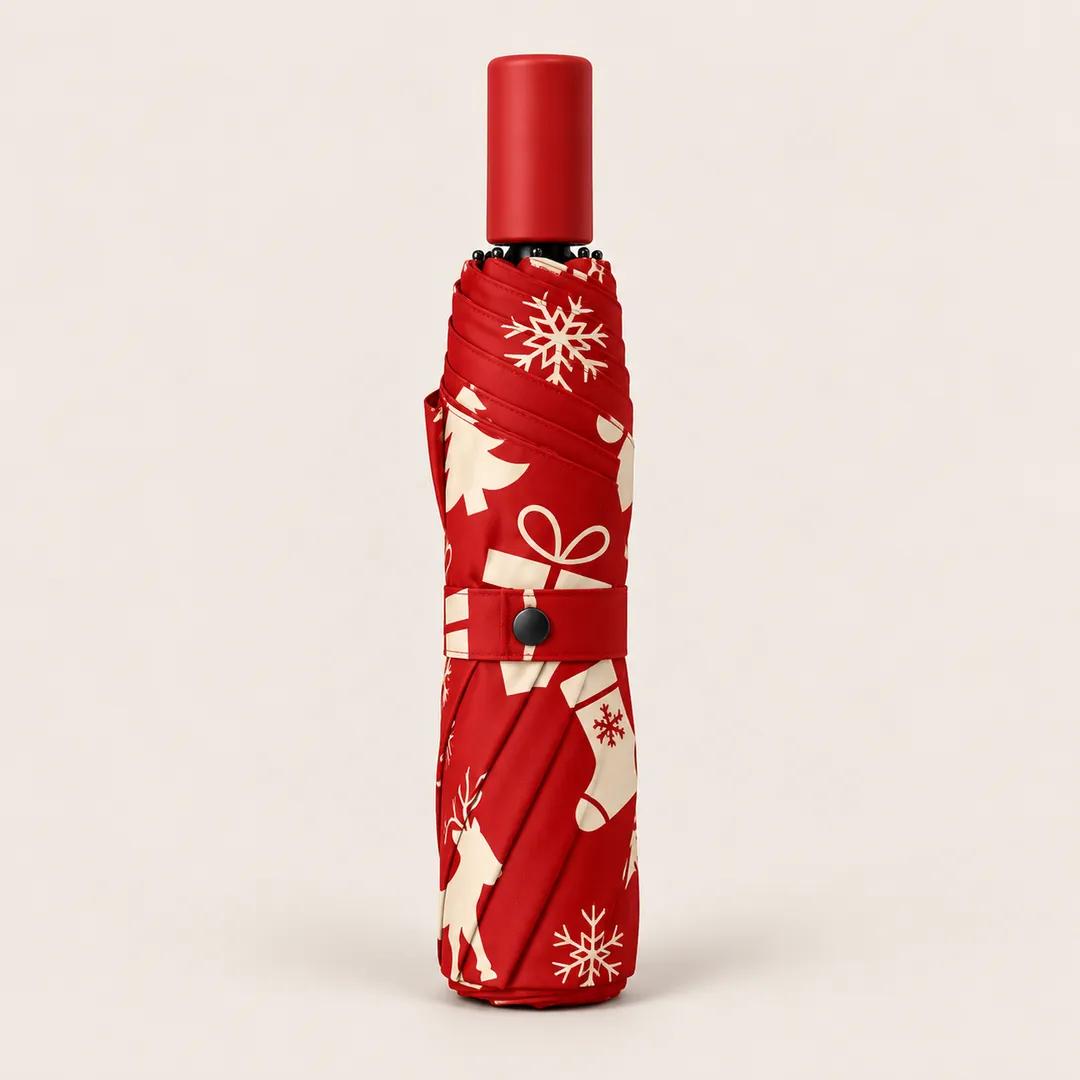
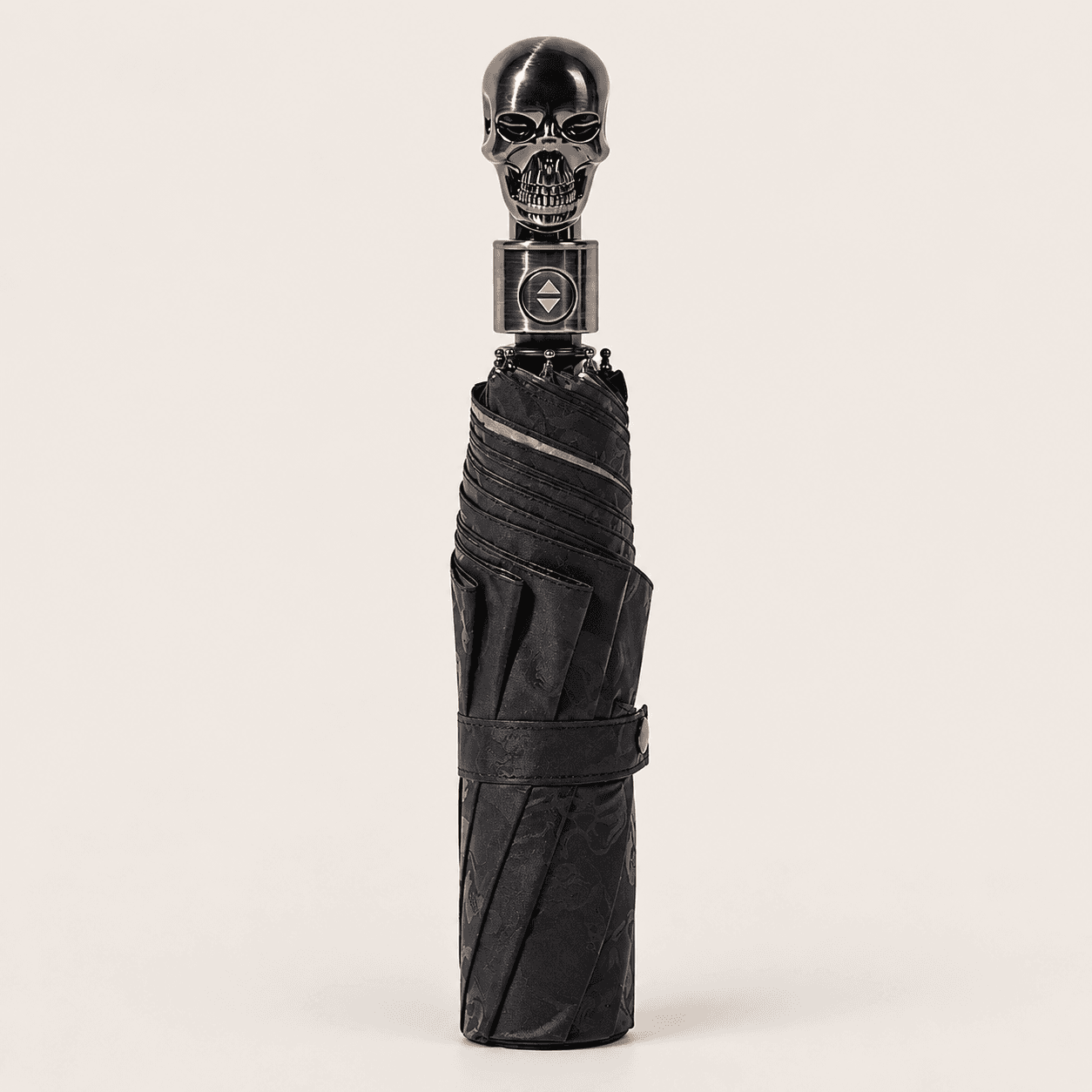
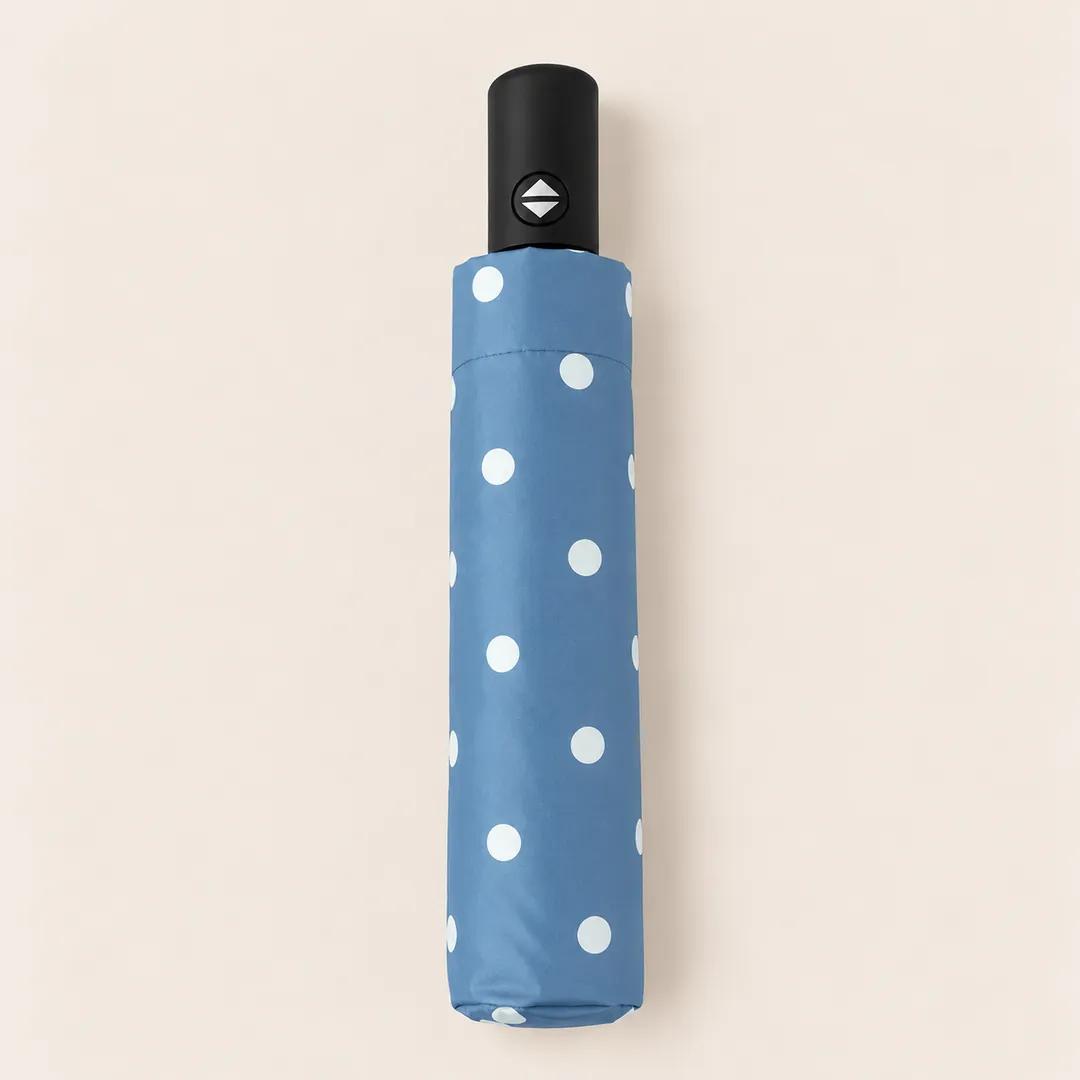
This collection of folding umbrellas is relevant when closed length and ease of transport guide the choice. Check each sheet for exact dimensions before selecting your format.
Easy-to-Carry Formats
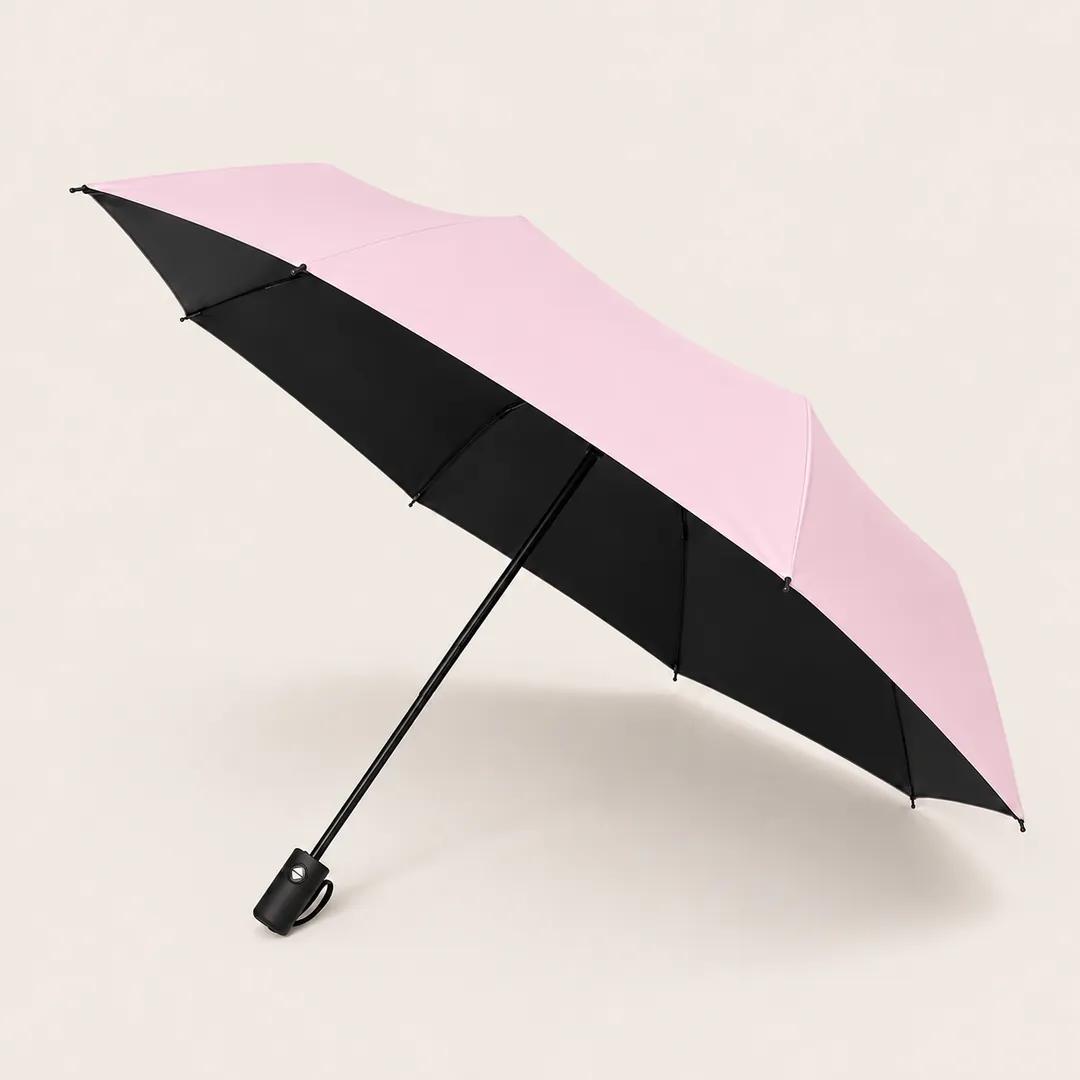
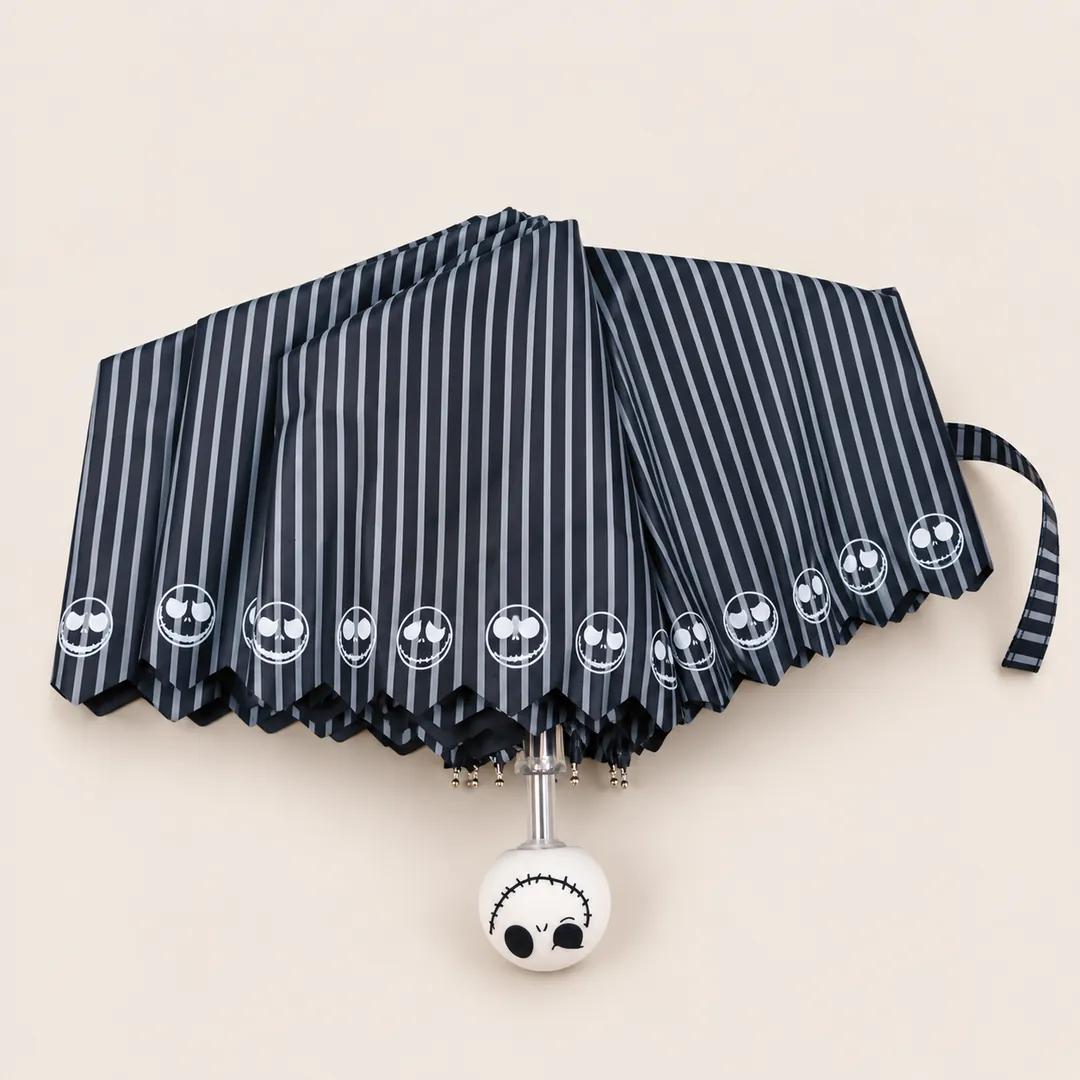
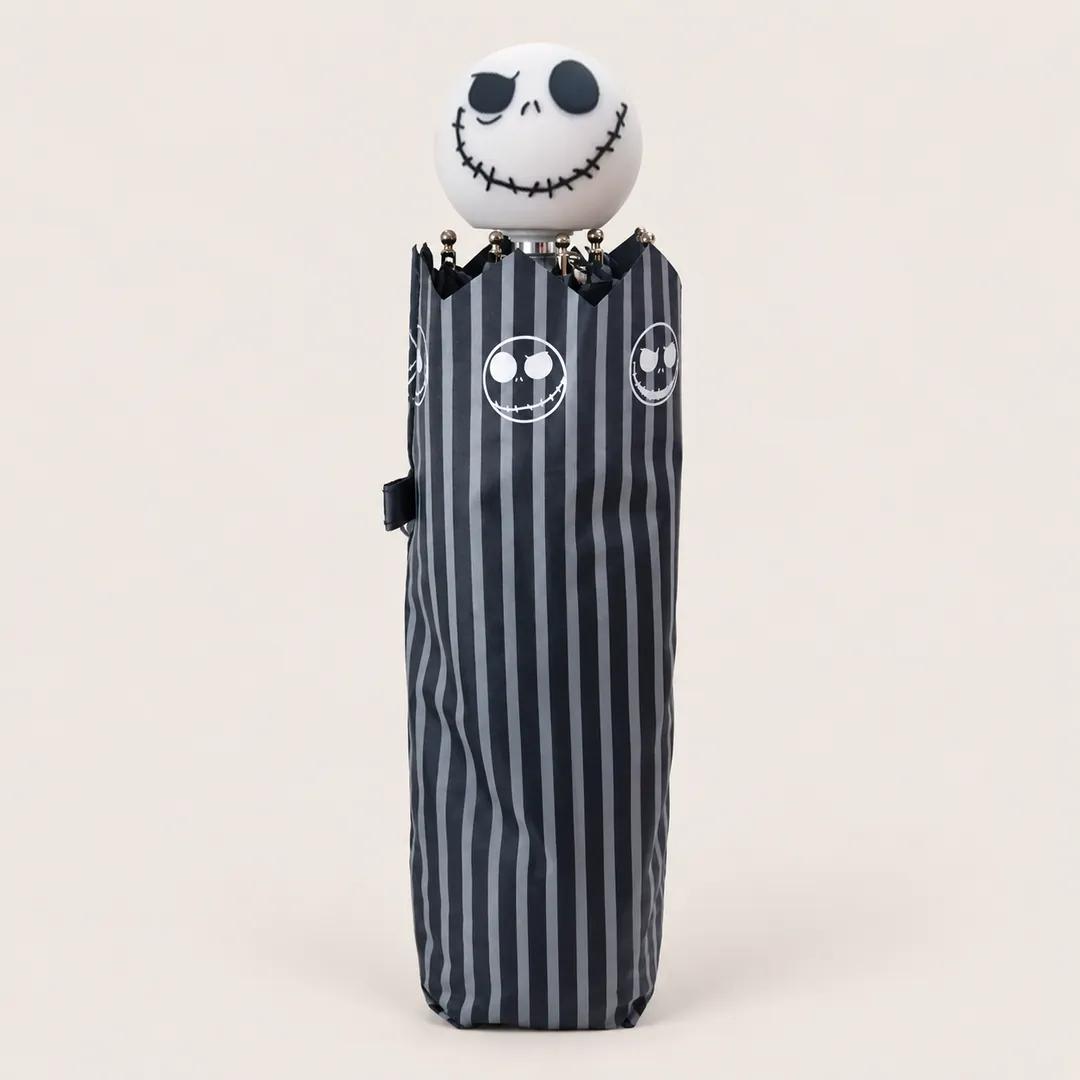
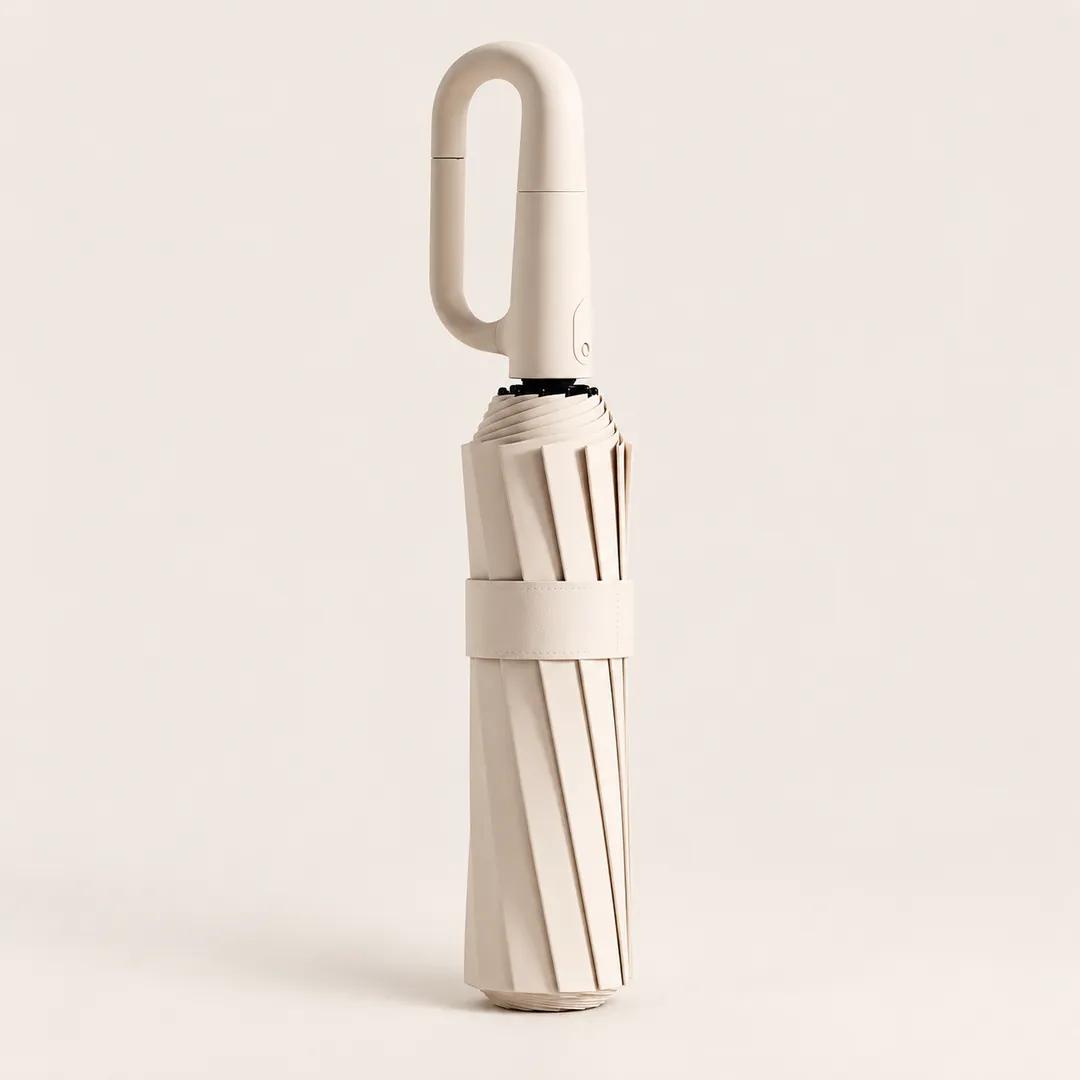
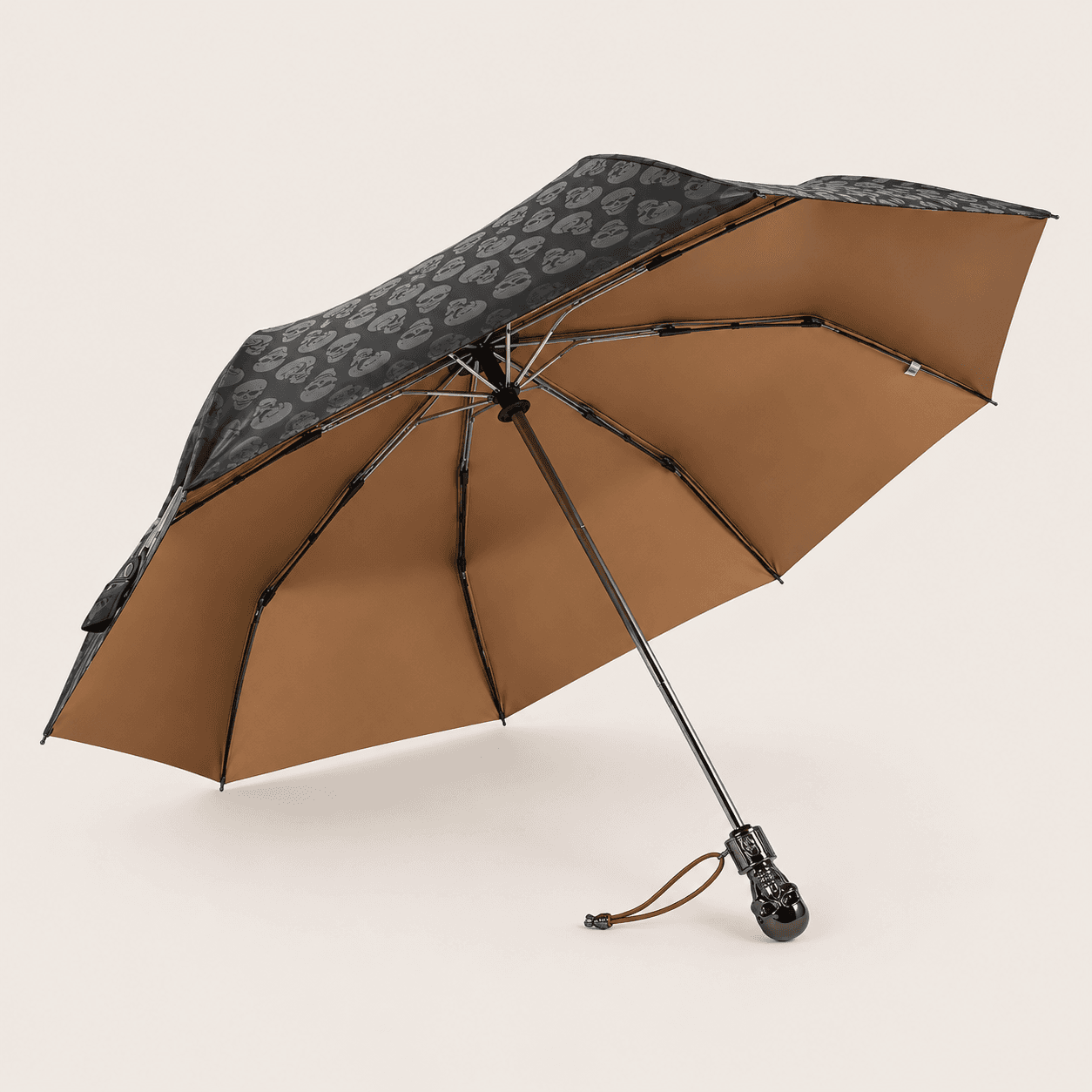
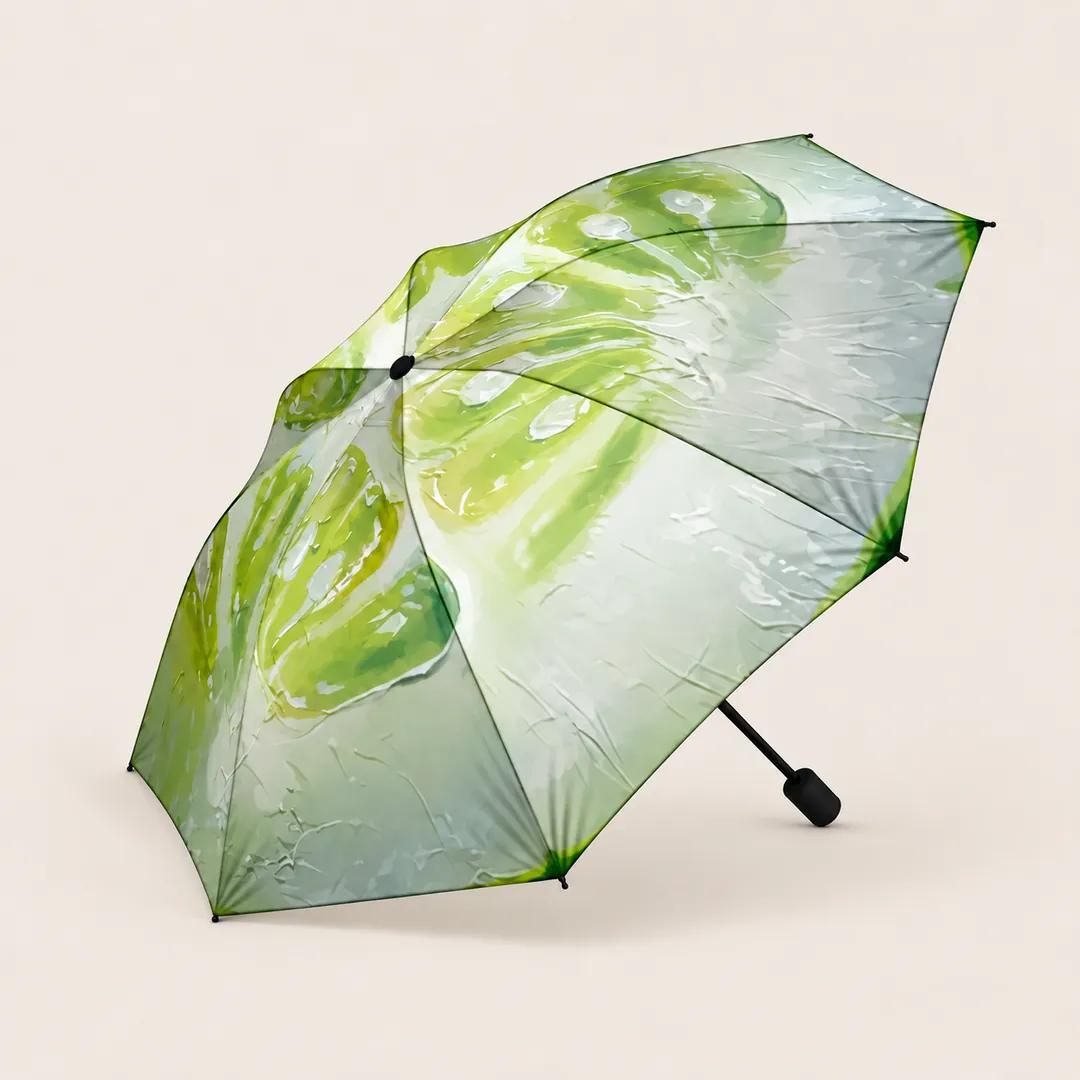
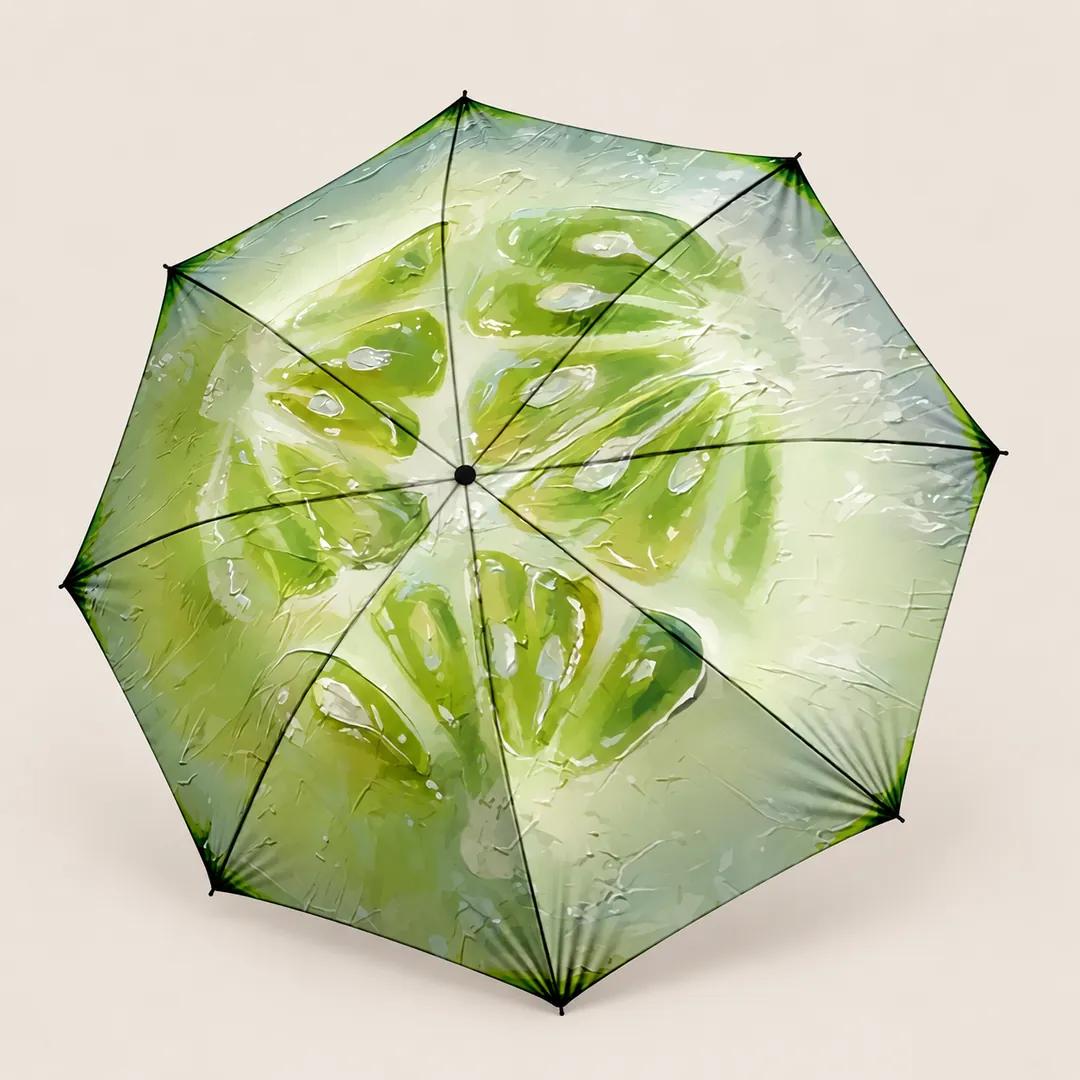
What Umbrella Diameter Should You Choose?
The following ranges are practical benchmarks, not official standards. Commercial names and actual dimensions vary by model; the value indicated on the product sheet remains the priority.
| Format | Open Diameter | Most Common Use | Compromise to Expect |
|---|---|---|---|
| Mini Umbrella | ~ 80 to 90 cm | Emergency, Very Small Bag, Maximum Mobility | More Limited Coverage |
| Compact or Folding | ~ 90 to 100 cm | Daily Commutes, Transport, Bag | Good Balance Between Protection and Bulkiness |
| Standard Adult | ~ 100 to 110 cm | Daily Walk for One Person | More Noticeable When Closed Depending on Construction |
| Large Umbrella | ~ 110 to 125 cm | Large Frame, Backpack, Strong Coverage | Potentially Higher Weight and Wind Resistance |
| XXL or Two People | + 125 cm | Walking for Two or Covering Bulky Items | Bulky in Crowds and When Stored |
A mini umbrella is primarily designed for discretion. It's suitable for someone who prefers to have modest protection always at hand rather than a more comprehensive model left at home. At around 90 to 100 cm, the compact umbrella becomes more versatile: it adequately protects an adult while remaining convenient for most urban commutes.
Between 100 and 110 cm, you have a comfortable adult umbrella size for general use. Beyond that, the canopy offers more lateral coverage. Large umbrellas are particularly appealing to those wearing a bulky coat, carrying a laptop, or a backpack. However, very wide models aren't necessary for everyone: under arcades, in the subway, or on a narrow sidewalk, a few centimeters less can make the journey significantly smoother.
Actual coverage isn't just about diameter
The diameter measures a width, not the entire experience under the canopy. A deep dome descends more around the head and shoulders; a flatter canopy extends its width in another plane. Without attributing universal superiority to either, this difference explains why two umbrellas with similar diameters can provide a different sense of coverage.
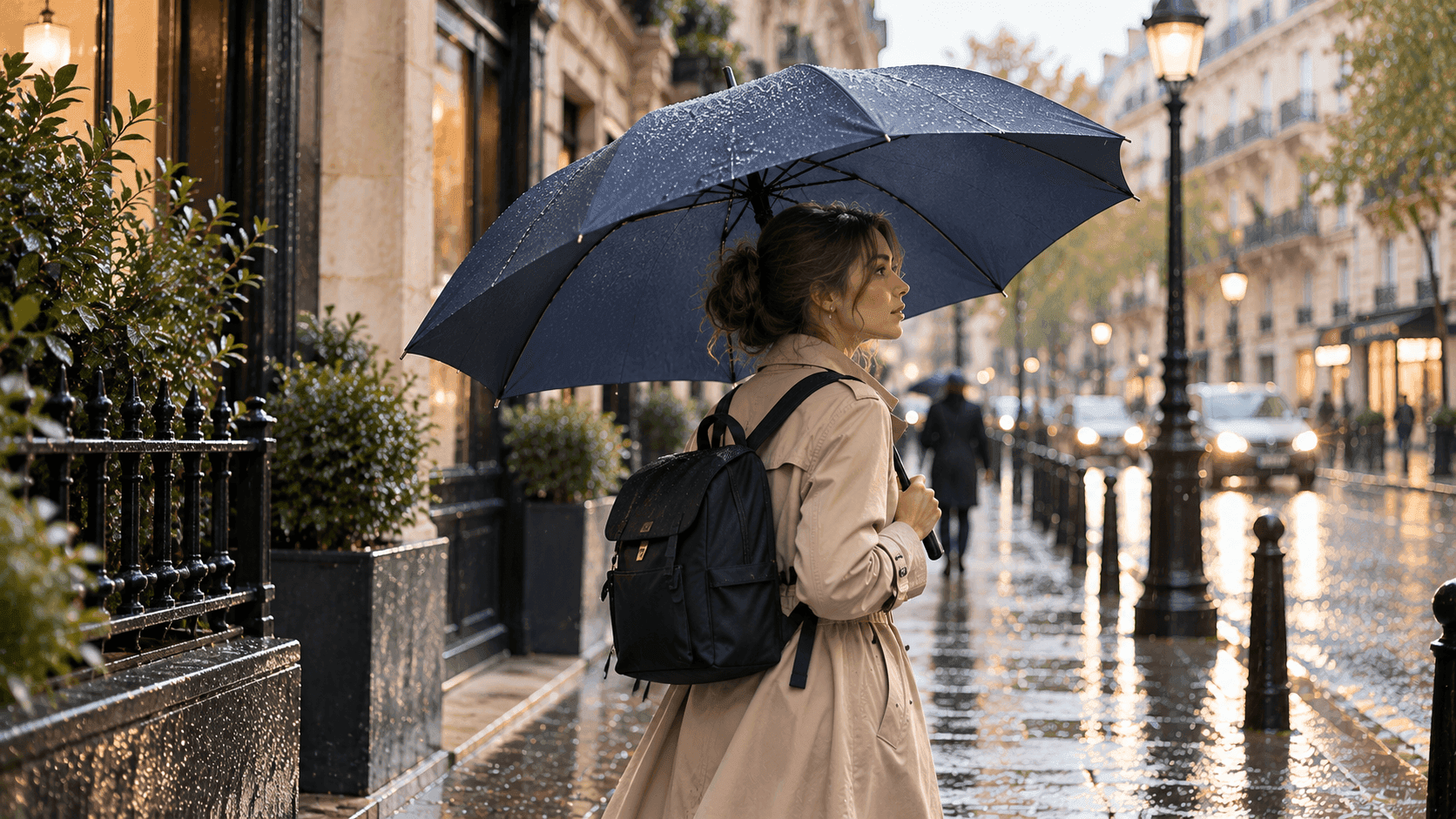
The holding height also changes the protected area. The higher the umbrella is held, the more slanting rain can reach the shoulders; slightly tilted towards the wind, it better protects the exposed side but leaves the other side more uncovered. A bulky coat, a backpack, or a tote bag further expands the area to cover. Therefore, the stated diameter should be considered along with profile photos, the apparent depth of the canopy, and the silhouette shown to scale — keeping in mind that photo framing can be misleading.
What I find more useful than an isolated number is checking where the edge of the canopy falls in relation to the shoulders and carried items. If the photos show neither a person nor a side view, the written dimension remains the most reliable reference, but it cannot alone determine actual comfort.
What umbrella size based on usage?
For commuting and public transport
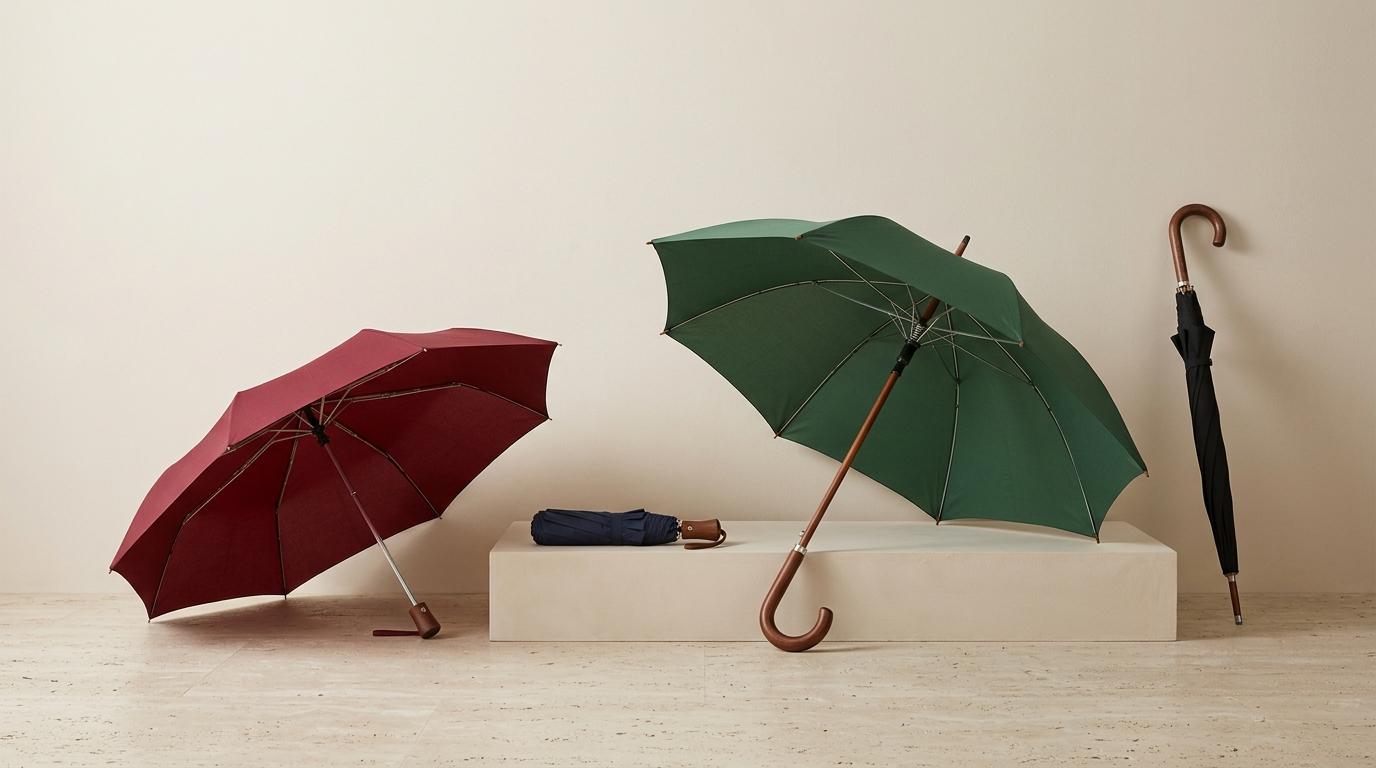
On a journey that alternates walking, train, subway, and office, the closed size often takes precedence over the maximum diameter. A folding model around the compact range is easier to store after a shower and less bothersome to other travelers. Before purchasing, check the folded length, weight, and presence of a case. To further explore the choice of mechanism and shape, the guide folding umbrella or cane umbrella usefully complements this question of dimensions.
To keep your umbrella in a bag
Start by measuring the actual available space, then leave a small margin for the case and handle. If every centimeter counts, a small pocket umbrella or a mini format is sensible.
If your bag can accommodate a few extra centimeters, a less minimalist folding umbrella can offer a more generous surface. The best model is the one you'll actually carry on uncertain days.
Thus, your folding umbrella will find its place in your handbag, next to your everyday perfume.
For a tall person or to protect a backpack
A tall stature doesn't automatically dictate an XXL diameter, but it can justify more span and especially a comfortable shaft. A canopy of about 105 to 115 cm often serves as a reasonable starting point for comparison. With a backpack, rain easily reaches the shoulders and the back of the bag: a wider or deeper coverage then becomes useful. Also, consider the handle position, as a too-short umbrella requires holding it high, which can tire the arm.
For walking two under the rain
An umbrella for two people must provide width without becoming unmanageable. A span of 120 to 130 cm or more can be relevant, depending on the canopy shape and the users' build. The collection of umbrellas for two specifically targets this use. However, consider the environment: a very large umbrella is comfortable in a park or on an avenue, less so in a crowded street.
For a child
The size of a child's umbrella is chosen based on morphology and autonomy rather than a rigid age rule. The child should be able to open the model if the mechanism is intended for them, hold it without fatigue, and see clearly ahead. A suitable handle, a light weight, and protected tips are as important as the diameter. A model that's too large can bump into passersby or be difficult to control. Check out the kids' umbrellas and verify the specific indications for each product.
For long walks
On a prolonged journey, a few grams and the handle position eventually matter. I would recommend a canopy that truly covers the shoulders and belongings, without automatically opting for the maximum diameter. Compare the weight, shaft length, and grip; a reasonably covering format that can be held without fatigue is better than a very large model that you constantly switch hands.
Should you choose a large or small umbrella?
The large umbrella offers better margin around the shoulders. It more readily protects a bag, a loose outfit, or a second person. Its handle and shaft can also provide a natural grip. On the downside, it takes up more space when closed, often weighs more, and is less maneuverable among passersby. A large canopy also exposes a greater surface to gusts, although resistance mainly depends on overall design.
The small umbrella focuses on availability: tucked in the bag, it follows its owner all day. It's practical for a short shower, connections, and travel. Its canopy covers less broadly, especially when the rain falls at an angle. Rather than opposing the two formats, start from your main constraint: maximum coverage for a long walk, or minimal bulk to carry the umbrella without thinking about it.
The simple test before buying. Note three limits: desired open diameter, maximum closed length, and acceptable weight. If a model exceeds two of these limits, its format probably doesn't suit your daily life, even if its aesthetics appeal to you.
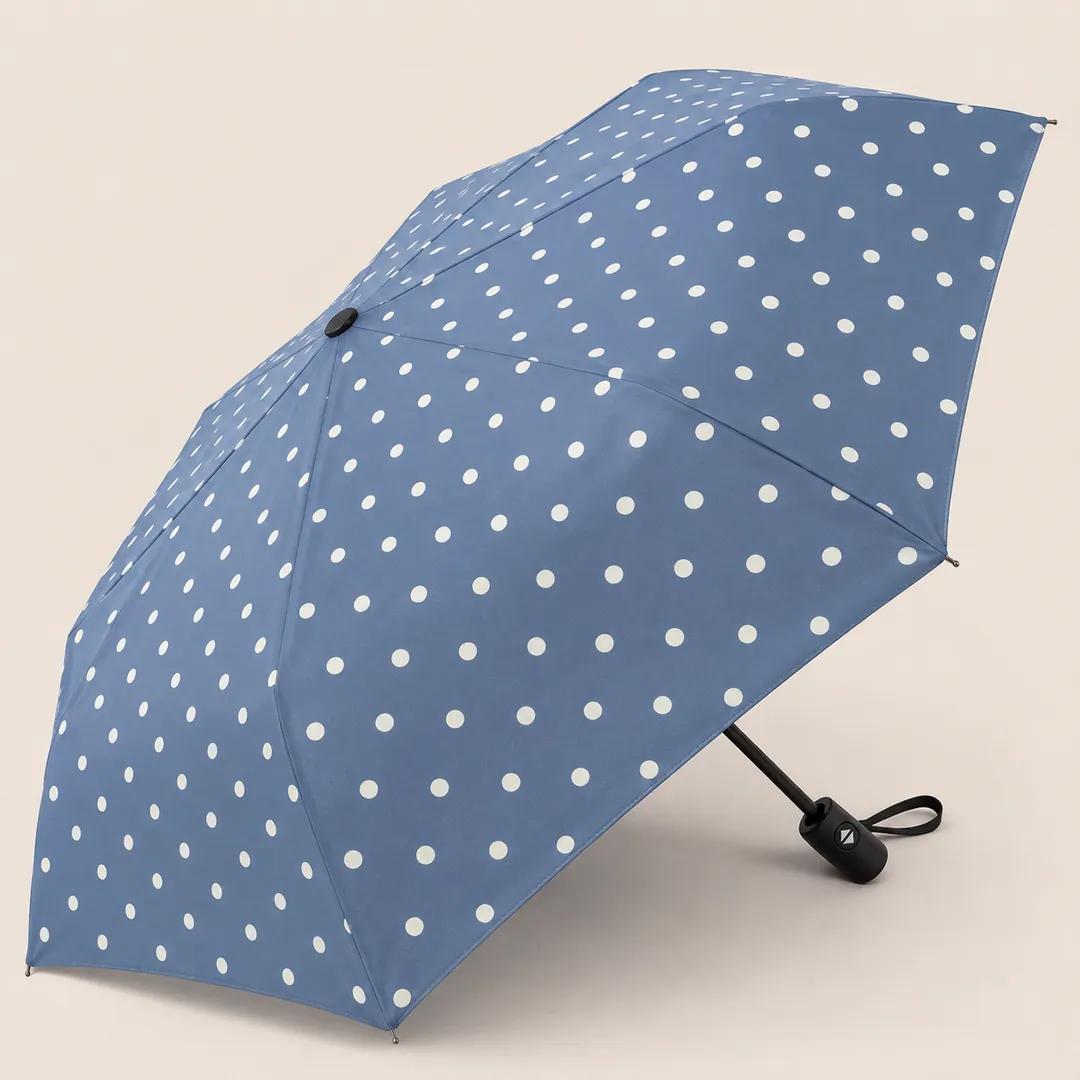
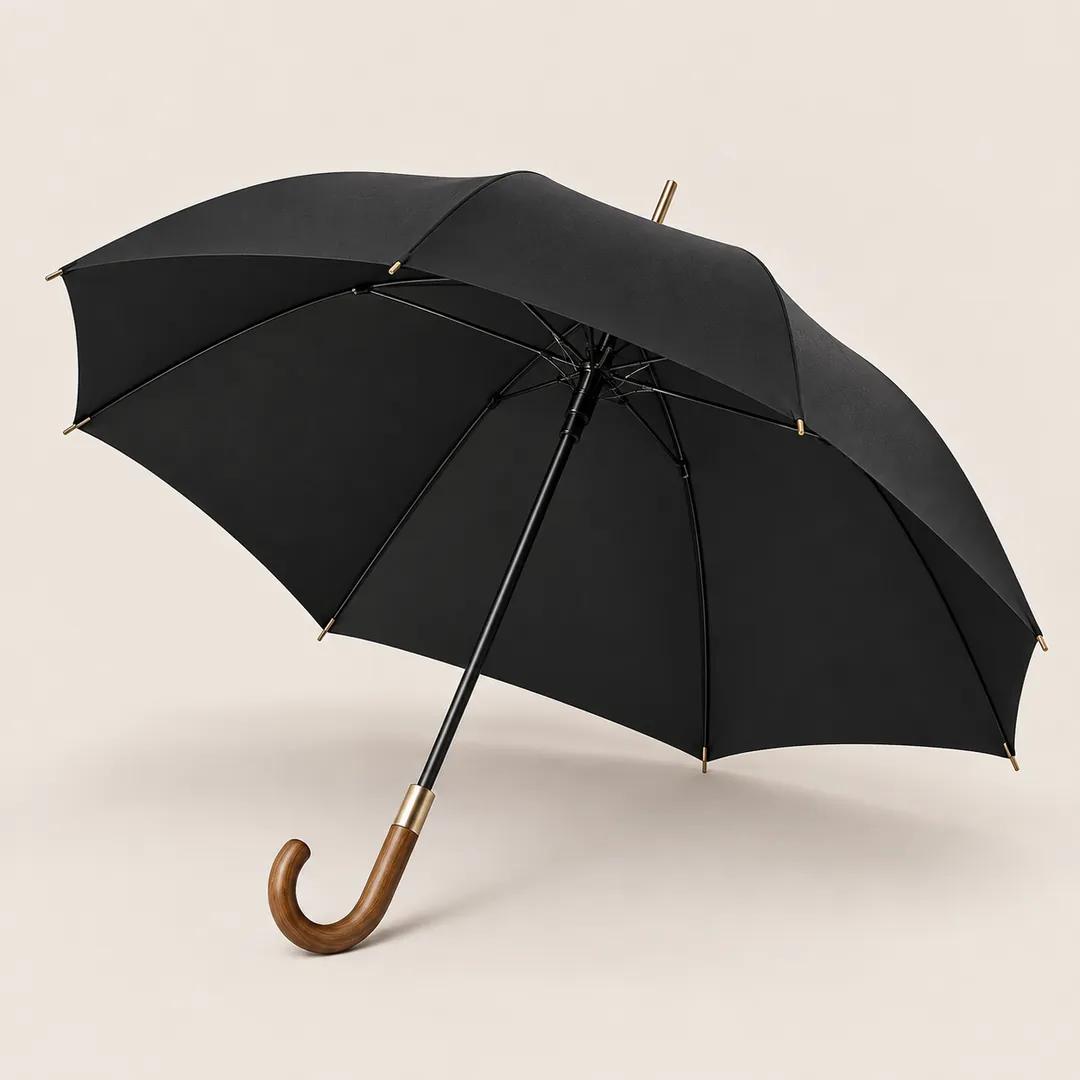
This selection is ideal when the protection surface is more important than fitting into a small bag. Measurements vary with each model: check its product page before making a choice.
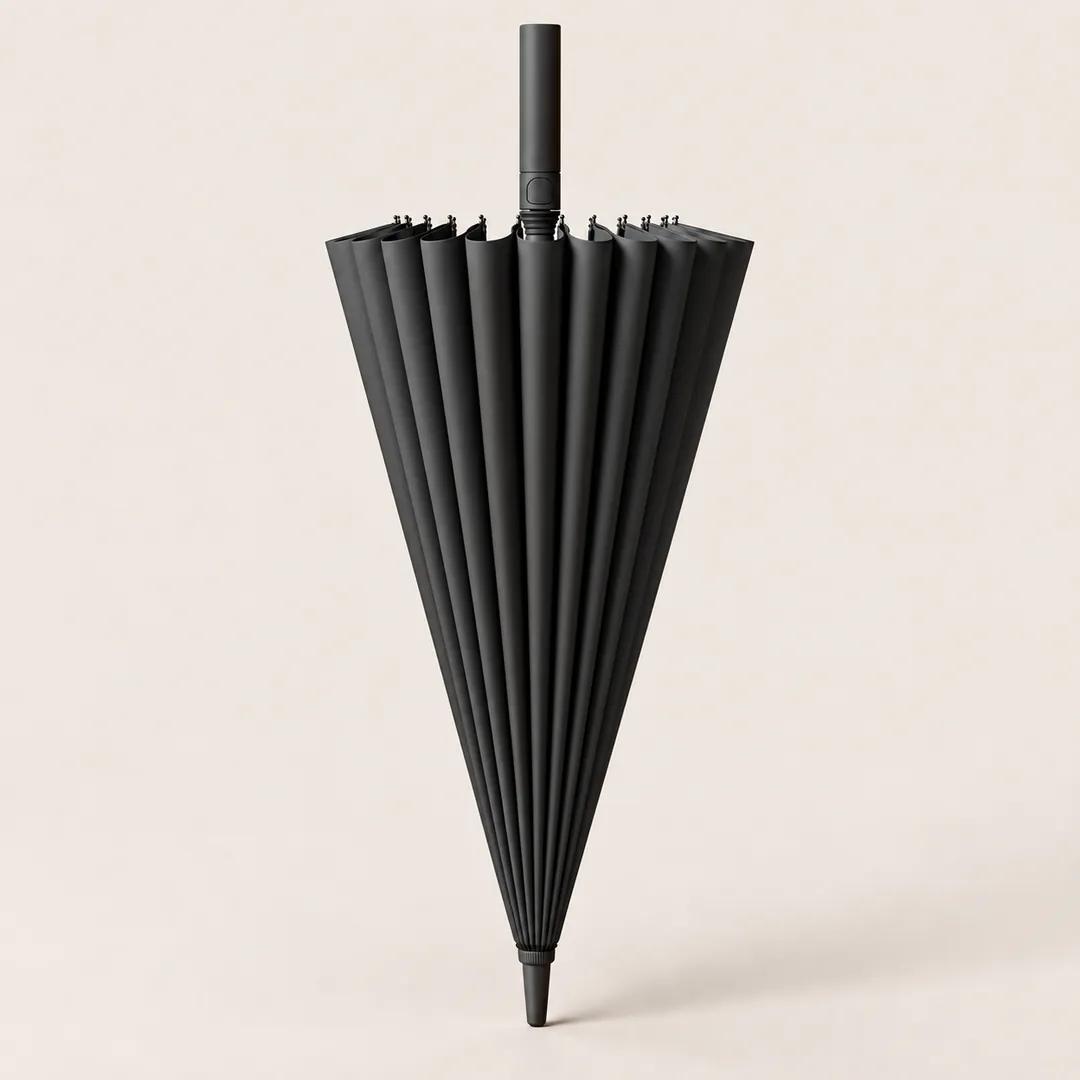
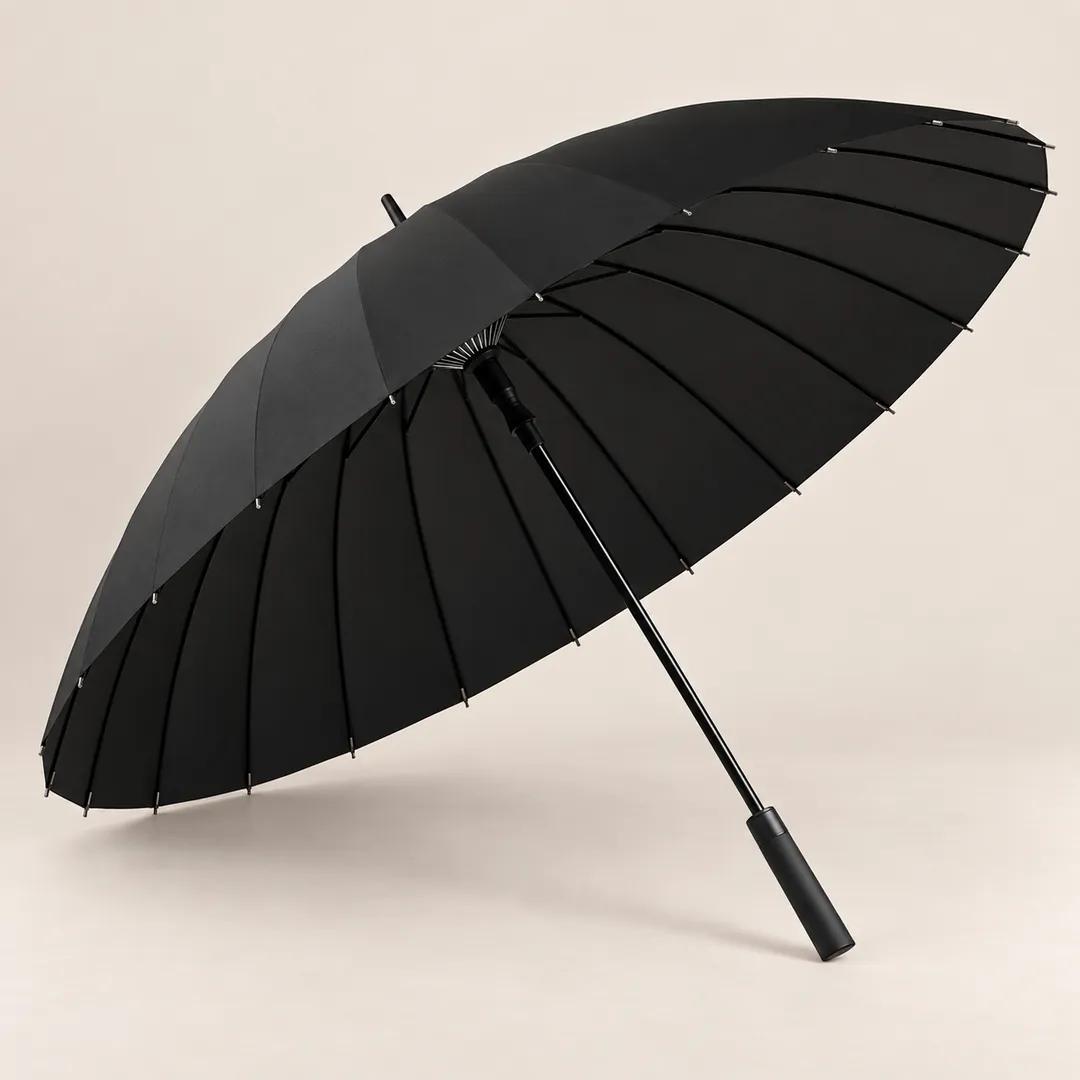
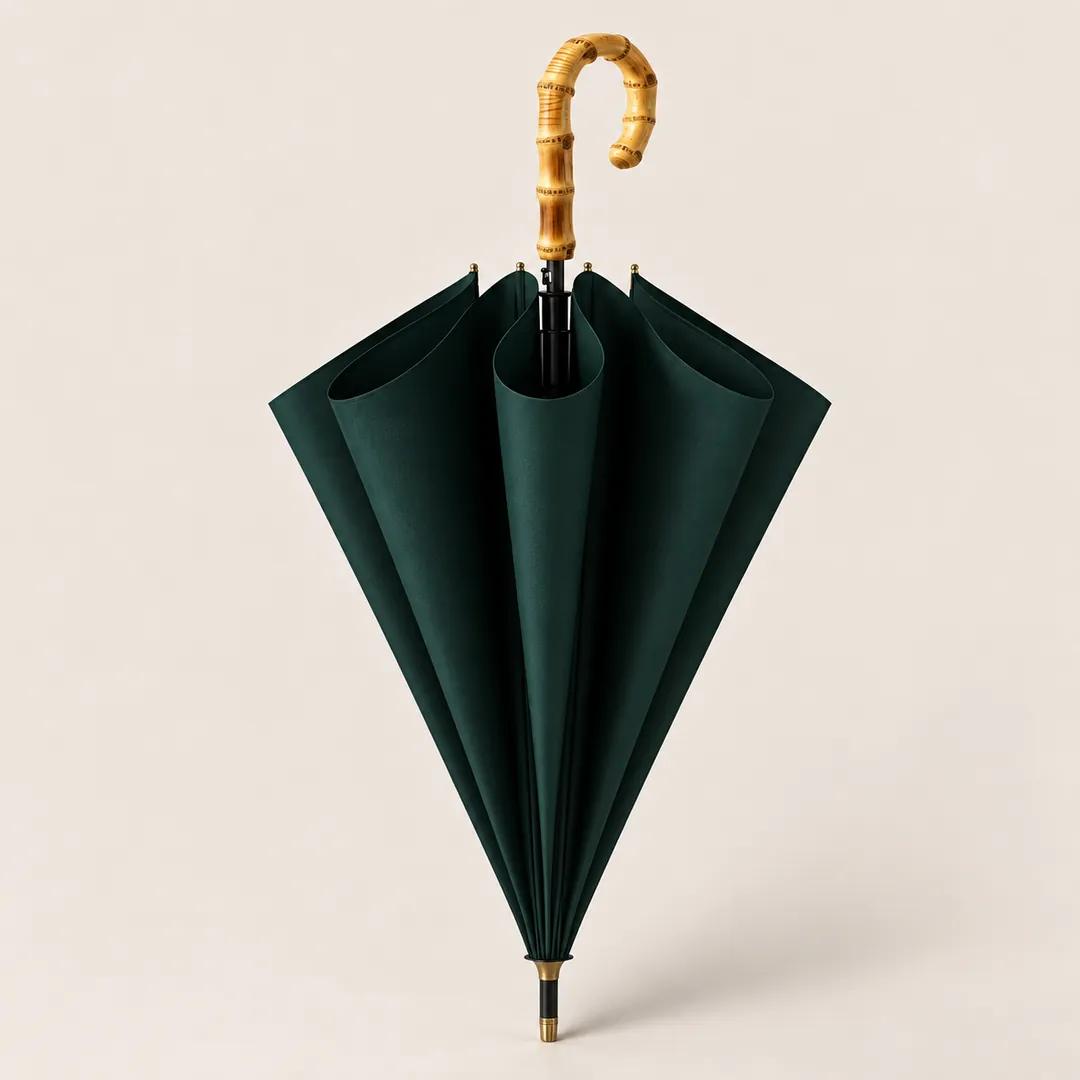
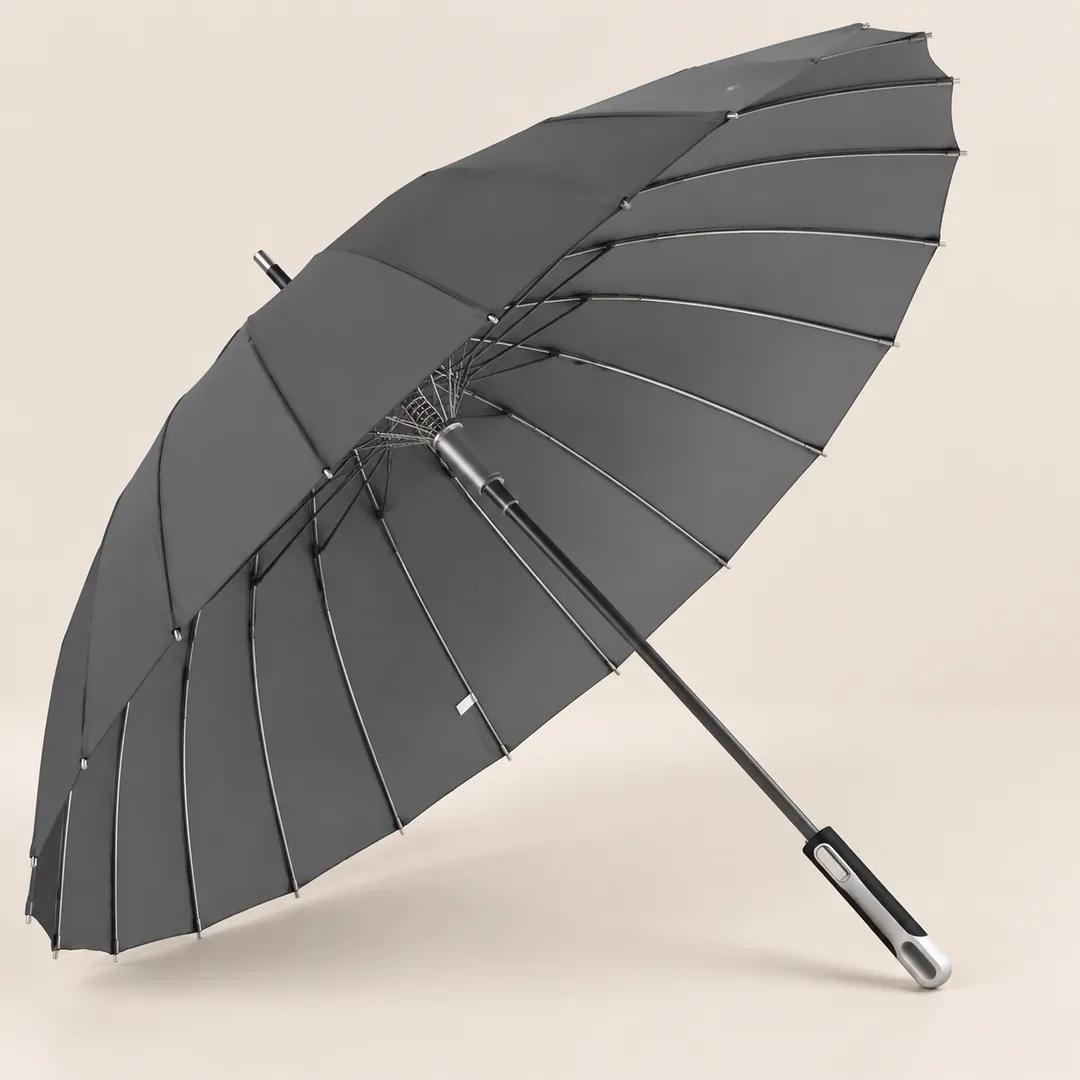
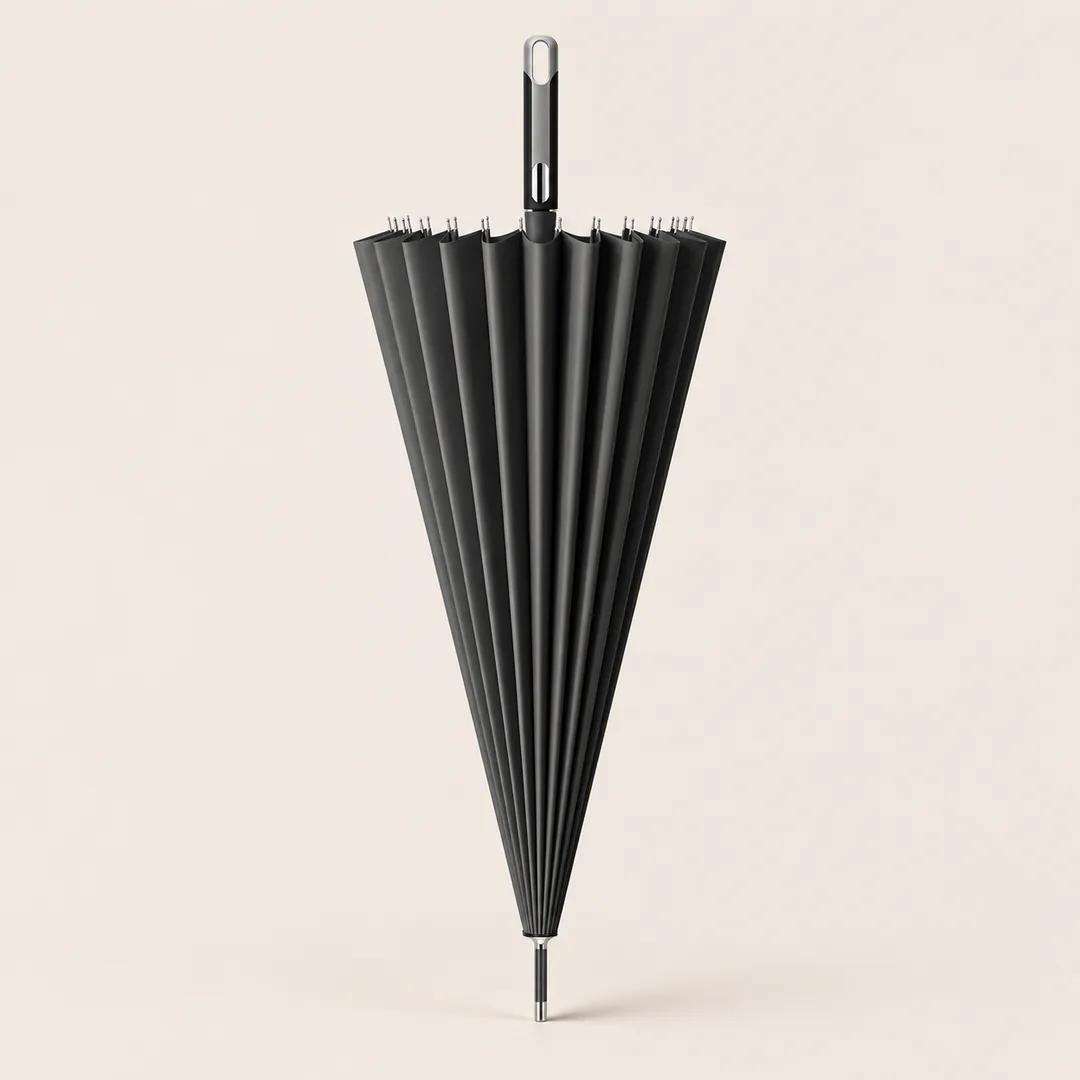
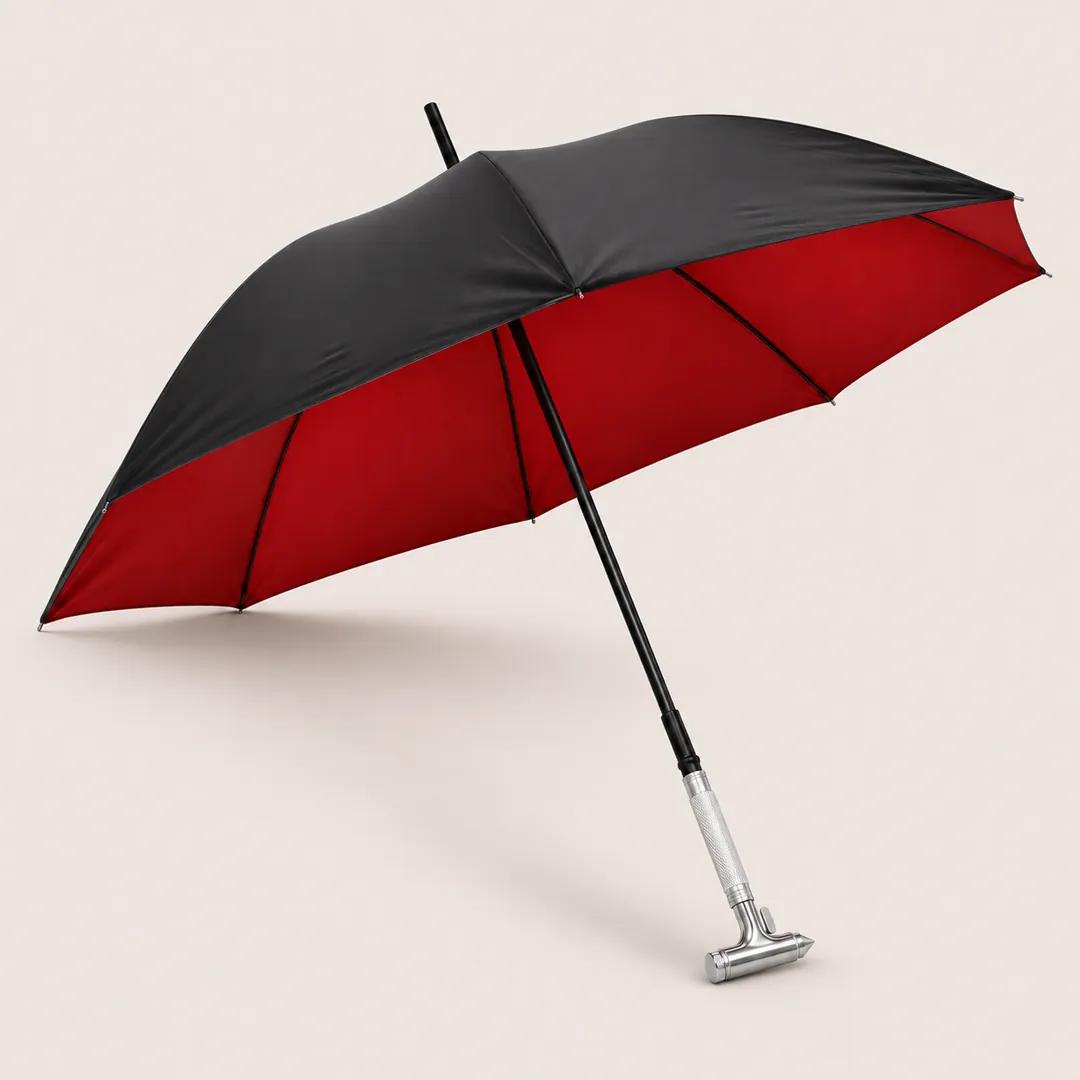
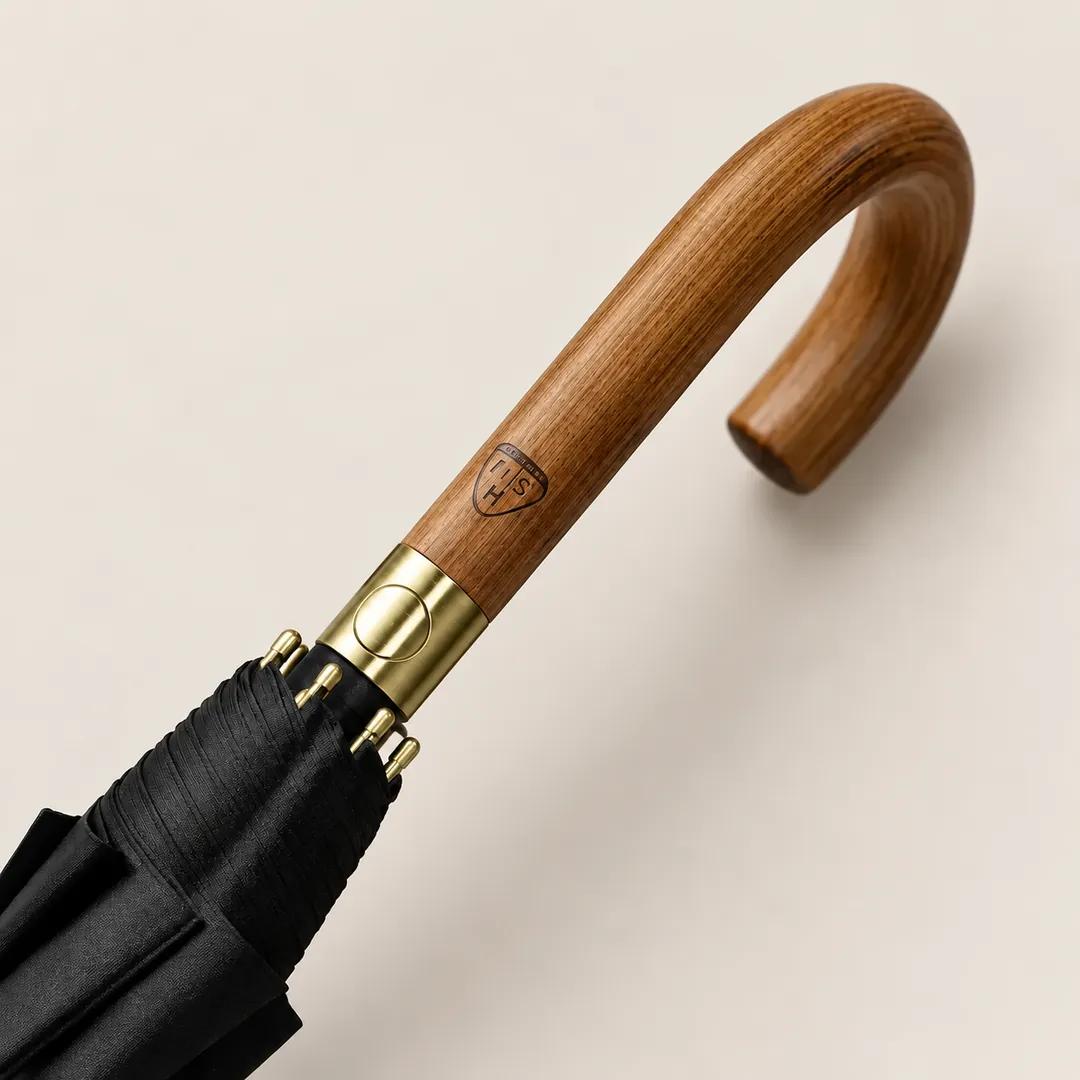
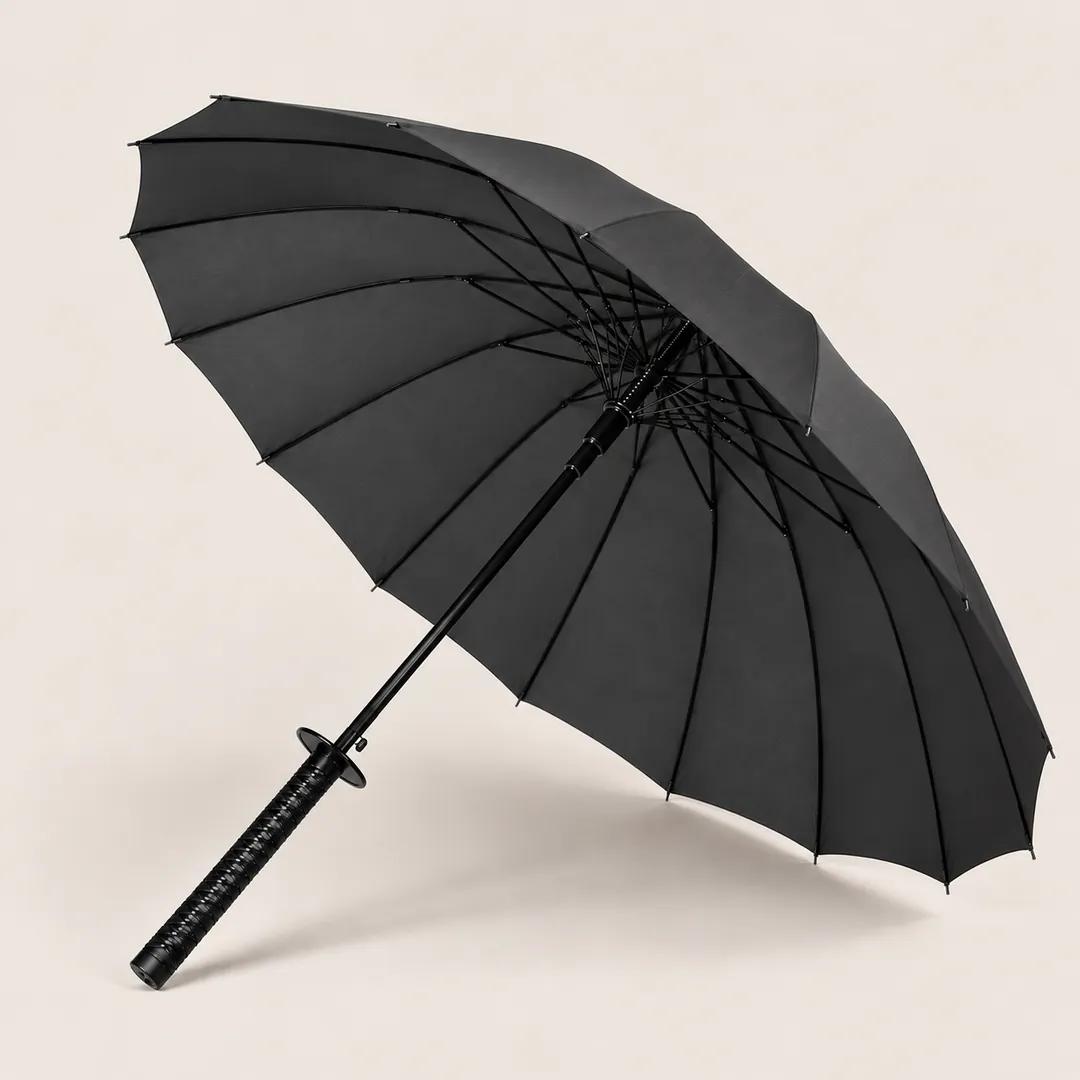
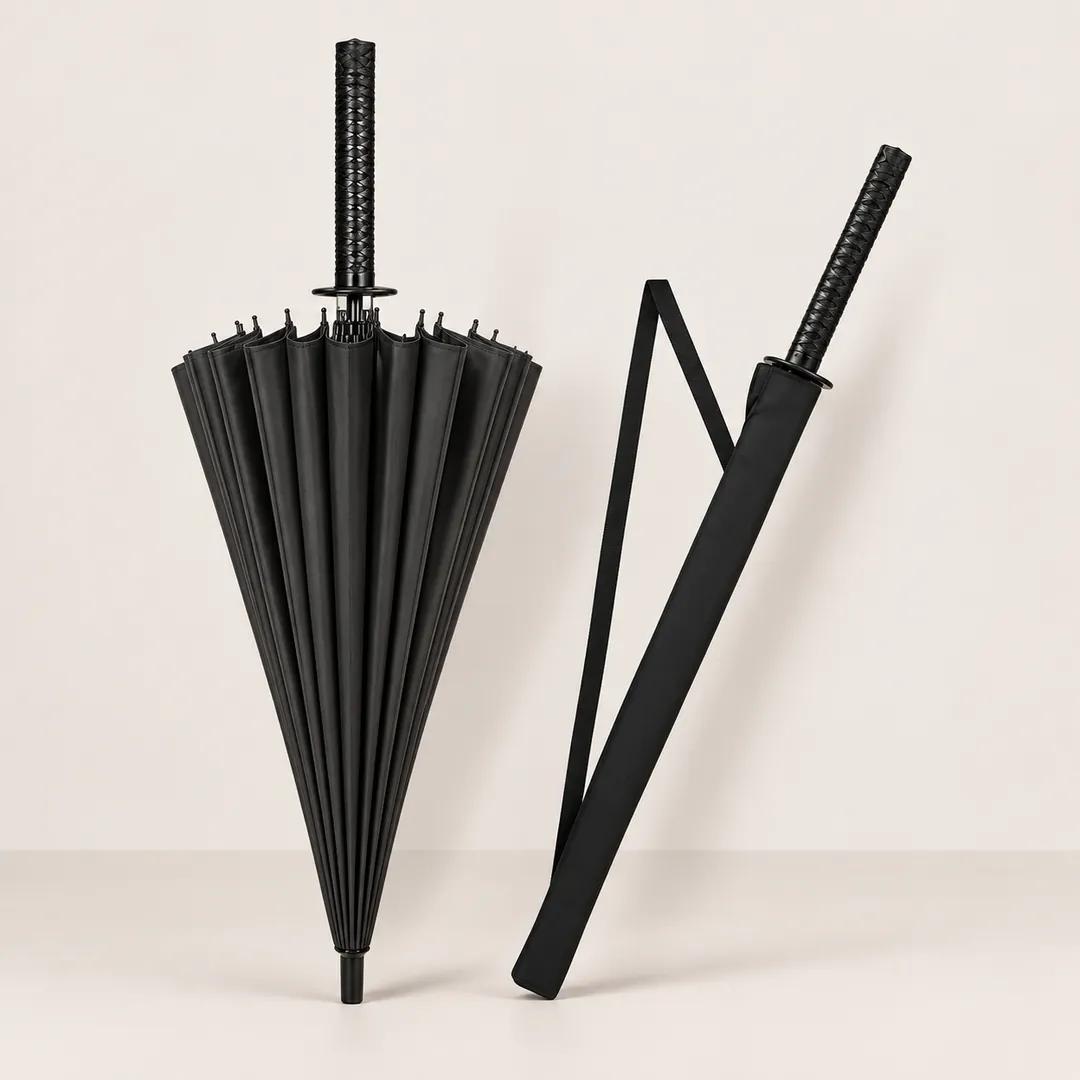
Umbrellas with generous coverage

What size should you choose when it's windy?
A larger diameter is not automatically more resistant. A wide canopy receives more pressure, while wind resistance depends on the rib architecture, their flexibility, materials, joints, the depth of the dome, and how the umbrella is oriented. Size should never be the sole indicator of sturdiness.
In an area regularly exposed to wind, choose a format you can easily control and compare the verifiable information provided by the seller. The windproof umbrella collection offers a starting point, while the article on choosing an umbrella for windy conditions details this topic beyond just diameter. In case of dangerous gusts, closing the umbrella is sometimes the safest decision.
Common mistakes to avoid
- Choosing solely based on open diameter and forgetting closed length, weight, or available space in the bag.
- Taking terms like mini, compact, large, or XXL as standardized categories when their meaning varies from one brand to another.
- Comparing a flat measurement with one following the canopy curve without checking the method used.
- Buying the widest model assuming it will withstand the wind better.
- Underestimating the protection for a backpack, shoulders, or a second person.
- Choosing a children's umbrella based solely on diameter, without considering its weight, visibility, and ease of handling.
Another mistake is aiming for a precise centimeter value. Two umbrellas advertised with the same diameter may protect differently due to their curvature and construction. Use the figures to pre-select a format, then read the full product page. For a broader view of criteria — handle, opening, structure, and use — consult the how to choose an umbrella guide.
Frequently asked questions about umbrella sizes
What diameter should you choose for an adult umbrella?
For a single person, around 95 to 105 cm generally offers a good balance. A larger silhouette, a bulky bag, or the desire for increased coverage may lead to 105 to 115 cm. These ranges are indicative and should be compared with the product's measurements.
How to measure the diameter of an open umbrella?
The most straightforward method is to measure in a straight line from one edge of the canopy to the other through the center. However, some manufacturers follow the canopy curve or indicate another width. Check the definition associated with the data before making any comparison.
What closed length fits a bag?
There is no universal length. Measure the intended compartment and allow for some margin to easily remove the umbrella and its case. A compatible length placed diagonally can also take up too much space daily.
Is an XXL umbrella suitable for one person?
Yes, especially to cover a large silhouette, a backpack, or equipment. But its bulk and maneuverability may be disproportionate for transport and crowded streets. Compare the coverage gain to your travel constraints.
What span is needed for two people?
A range of about 120 to 130 cm or more is a useful benchmark, though it doesn't guarantee comfort on its own. The shape of the canopy, how you walk side by side, and slanting rain affect the perceived protection.
Does a cane umbrella always protect more than a folding one?
No. The mechanism doesn't automatically determine the diameter. Some folding umbrellas offer a generous canopy, and some straight models remain compact. Compare the actual open dimensions, then choose the construction that suits your storage needs.
The right format, profile by profile
For transport and daily bag use, start with a folding or compact umbrella of about 90 to 100 cm, then adjust according to the closed length. For regular walking and a single person, the range of 95 to 110 cm is generally versatile. If you are tall, carry a backpack, or want more room, explore models around 105 to 120 cm. For two people, a canopy of 120 cm or more is worth considering, provided you accept its bulk.
For a child, first look for manageable weight, good visibility, and a suitable grip. And if your priority is wind, examine the structure rather than choosing the largest diameter. You can now compare folding umbrellas and cane umbrellas by considering their dimensions as a whole: open canopy, closed length, shaft, weight, and actual use.