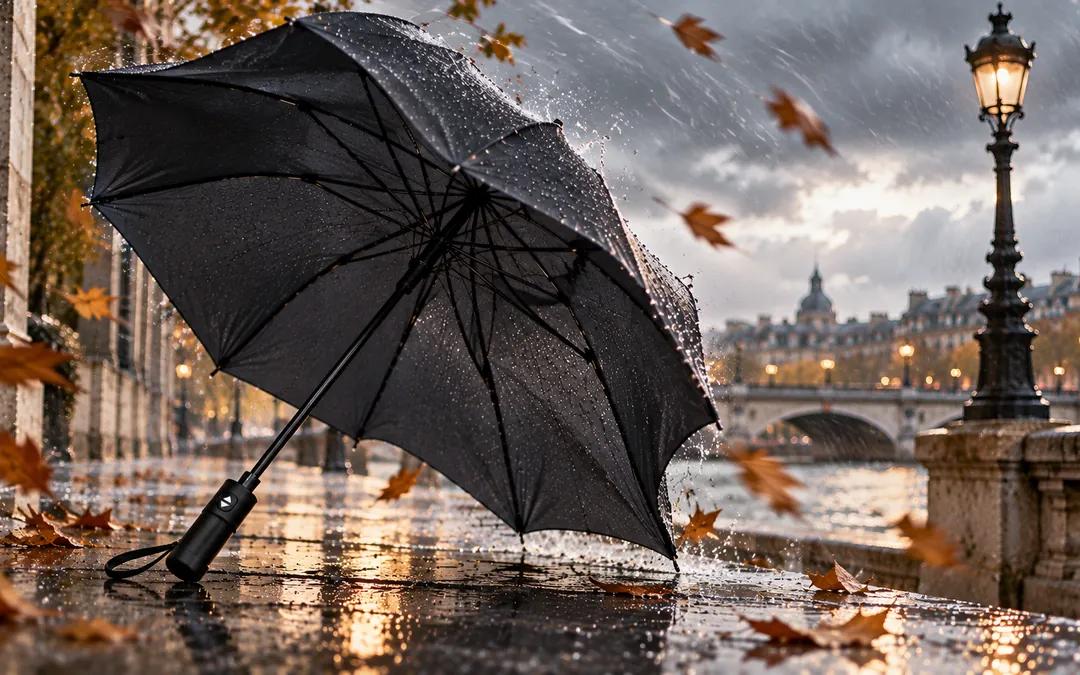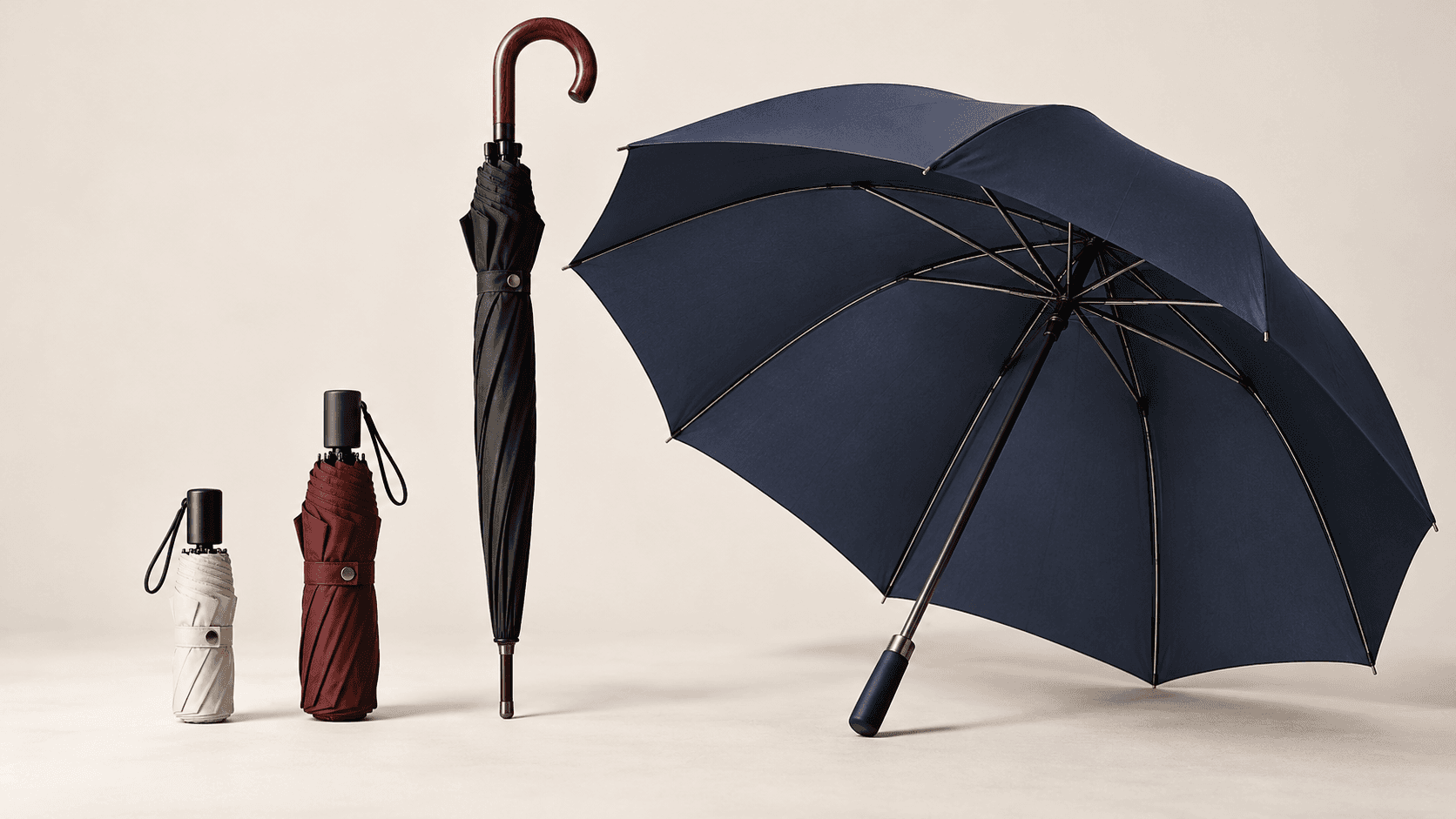
Which umbrella should you choose when it's windy?

When it's windy, I wouldn't choose an umbrella just because it's labeled as "windproof." What really matters is how the entire structure reacts to a gust: the canopy absorbs the force, the ribs transmit it to the joints and shaft, and then the frame must withstand or accommodate this stress without permanent deformation or breaking.
Therefore, a very rigid umbrella is not automatically better. More ribs do not guarantee greater resistance, and a stick umbrella is not necessarily more suitable than a folding one. For windy days, I would look for a balance between build quality, frame behavior, flexibility, canopy dimensions, and surface exposed to the wind.
What really happens to an umbrella when the wind blows
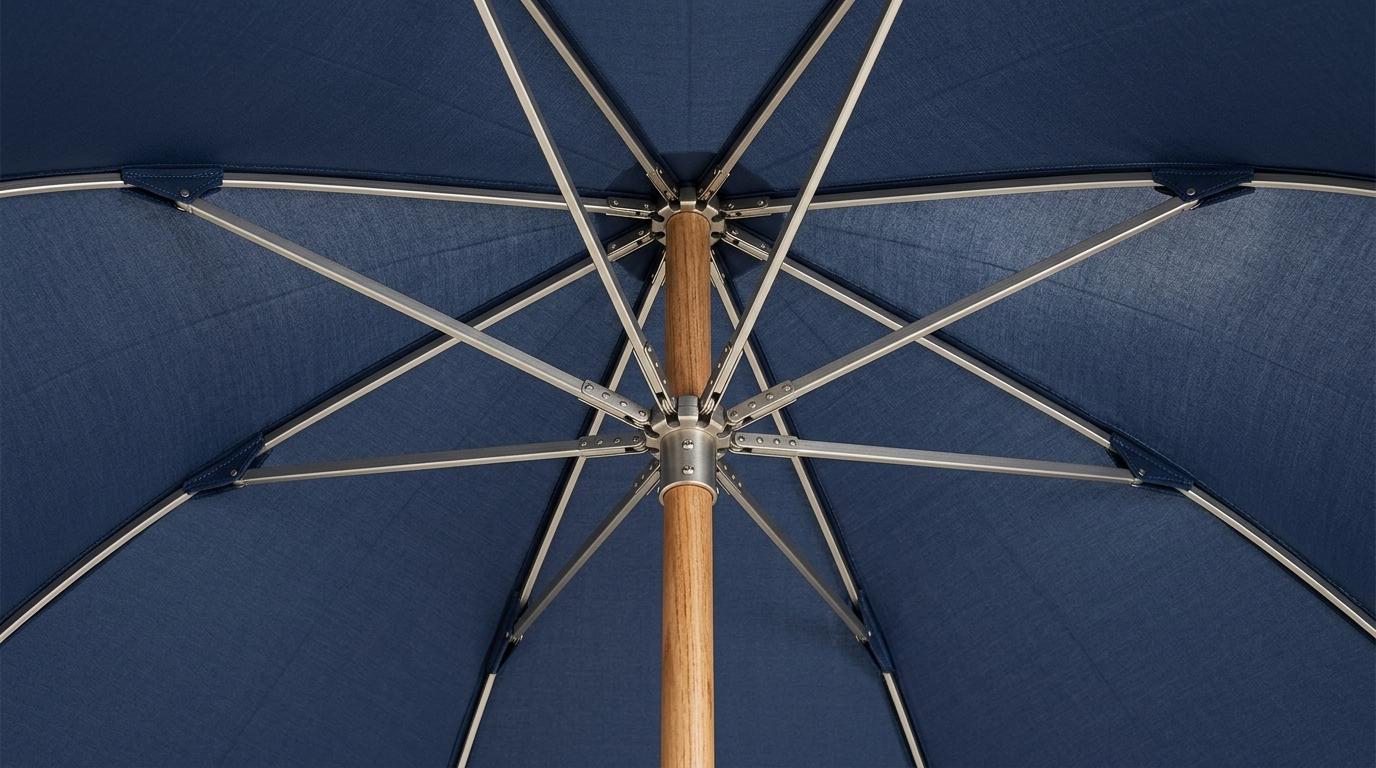
To understand what makes an umbrella suitable for windy conditions, you first need to look at what its structure undergoes.
The canopy forms a surface on which the wind exerts force. When the wind is relatively steady, this force can remain fairly predictable. However, a side gust or an updraft under the canopy can abruptly change the direction and intensity of the force.
The stress then follows a kind of chain: canopy → ribs → joints → shaft. Depending on the umbrella's design, some parts may slightly deform and then return to their original position, invert, or, when the stress becomes too much for the structure, suffer permanent deformation or breakage.
This is why a single element cannot adequately judge an umbrella. A rib may be made from an interesting material but paired with a joint or attachment that is a weaker point. Conversely, a coherent frame relies on how its different parts work together.
Is a rigid umbrella necessarily more wind-resistant?
No. It's actually one of the assumptions I would be most cautious about.
When a gust deforms the canopy, the stress must be supported somewhere by the structure. An extremely rigid frame limits certain deformations, but that doesn't mean the stress disappears: it is transferred to the ribs, joints, attachments, and shaft.
A structure capable of accepting some deformation can, depending on its design, temporarily accommodate the stress rather than concentrating it entirely on one point. This explains why flexibility can be an interesting feature in a frame designed to withstand wind.
But I wouldn't make a new rule like "more flexible = more durable." A frame that is too flexible or poorly designed can also lack stability. What matters is the deformation that the different parts can accept while maintaining their function and returning correctly to place.
The geometry of the ribs, their material, their joints, and how they are assembled are at least as important as the impression of rigidity felt when handling the umbrella.
Which materials should you prioritize for the frame?
Steel, aluminum, fiberglass, or a combination of several materials: it would be tempting to rank them. In practice, I prefer to look at what the material contributes to the overall design.
Steel is commonly used for frame elements that require stability. Its use must, however, be considered with the shape and dimensions of the pieces as well as with the rest of the structure.
Aluminum can be used when weight is a design constraint. Again, seeing "aluminum" on a product description doesn't alone conclude that the umbrella will be fragile or wind-resistant.
Fiberglass is interesting in this context because it can be used to create elements capable of bending. It's precisely this behavior that explains its presence in some frames designed to withstand deformations. But "fiberglass ribs" alone is not proof that an umbrella will withstand all gusts.
Finally, some frames combine several materials. This is quite logical: not all parts have the same role or constraints. The material is therefore useful information, but only when considered within the complete design of the umbrella.
Does more ribs mean more resistance?
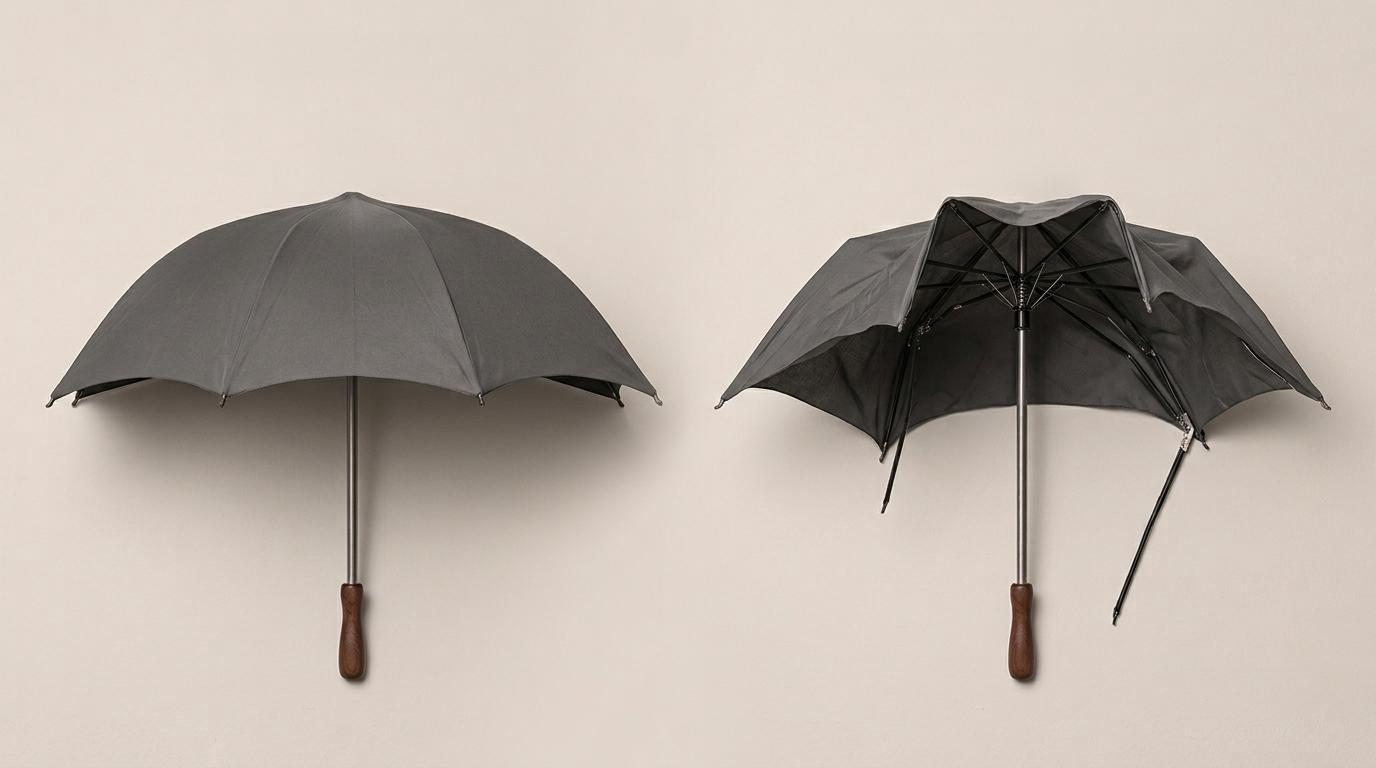
Not automatically.
Adding ribs changes how the canopy is supported and how the forces can be distributed around the frame. It's a real design difference. But counting the ribs without looking at the rest ignores a large part of the issue.
Two umbrellas with the same number of ribs can use completely different sections, materials, joints, and attachments. Their diameter can also differ, altering the canopy surface on which the wind acts.
Conversely, an umbrella with more ribs is not automatically superior to a model with fewer. The number must be related to the design of the ribs, their material, their articulation points, their attachment, the shaft, and the canopy dimensions.
I would therefore consider the number of ribs as a descriptive feature of the frame, not as a measure of resistance.
Beware of canopy size and wind exposure
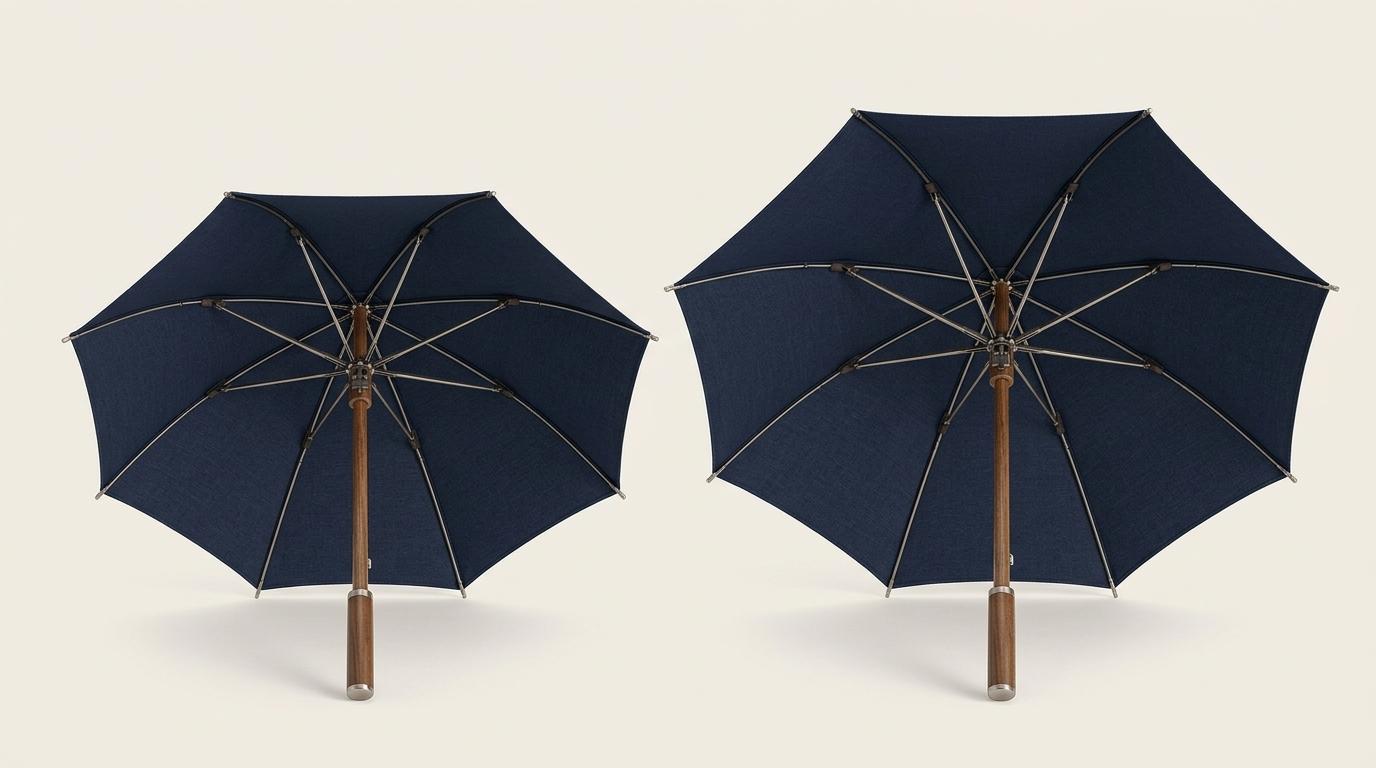
A large diameter is pleasant in the rain: more fabric can cover the person and what they are carrying more extensively. But when it comes to wind, this same surface should be considered from another perspective.
The fabric is precisely the part on which the wind acts. Increasing its size also increases the area that might be exposed to a gust. The forces transmitted to the frame then depend on numerous factors, including the wind direction and how the umbrella is oriented.
However, I wouldn't recommend always choosing the smallest diameter. That would be replacing one shortcut with another. A poorly constructed small umbrella doesn't magically gain good wind resistance.
Our large umbrellas
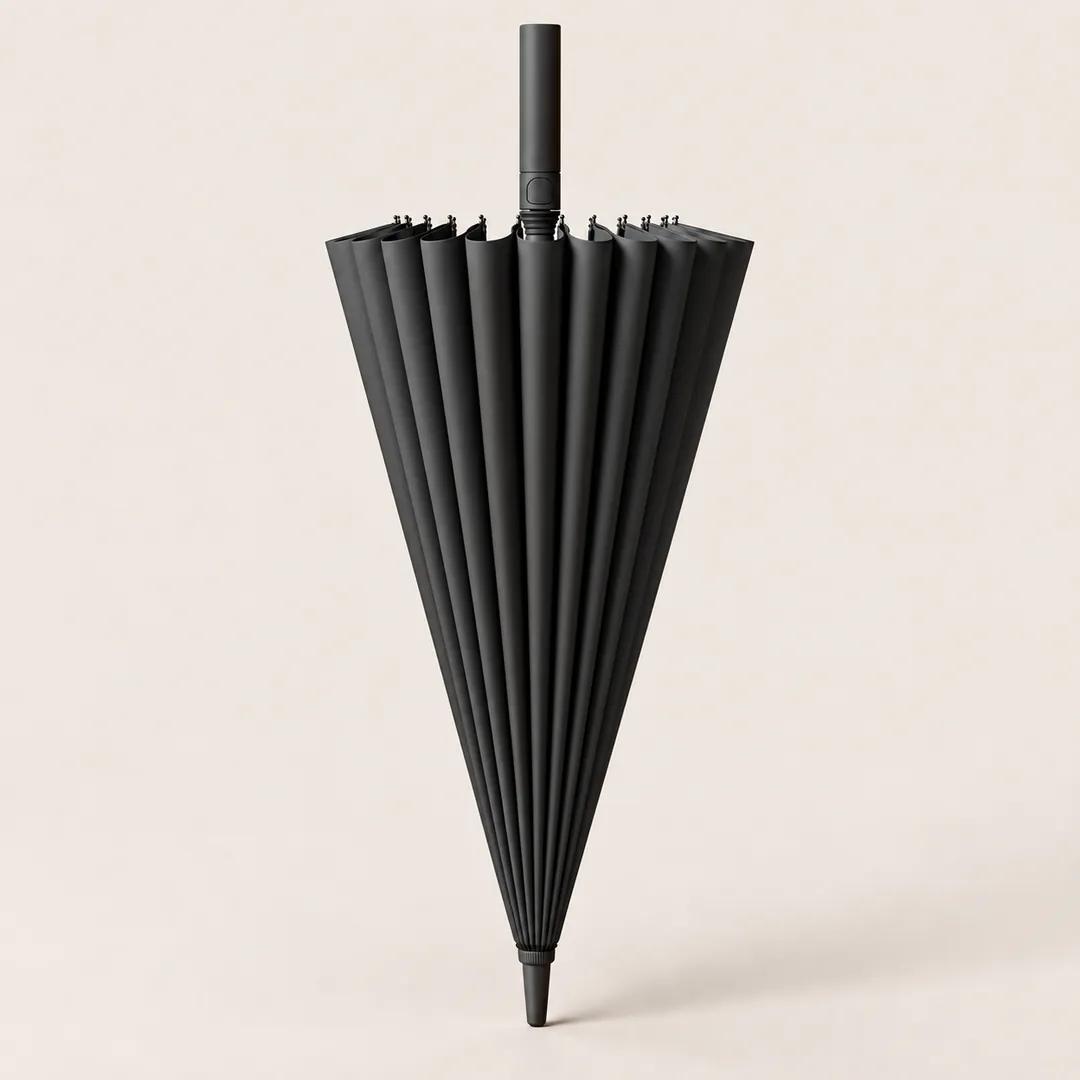
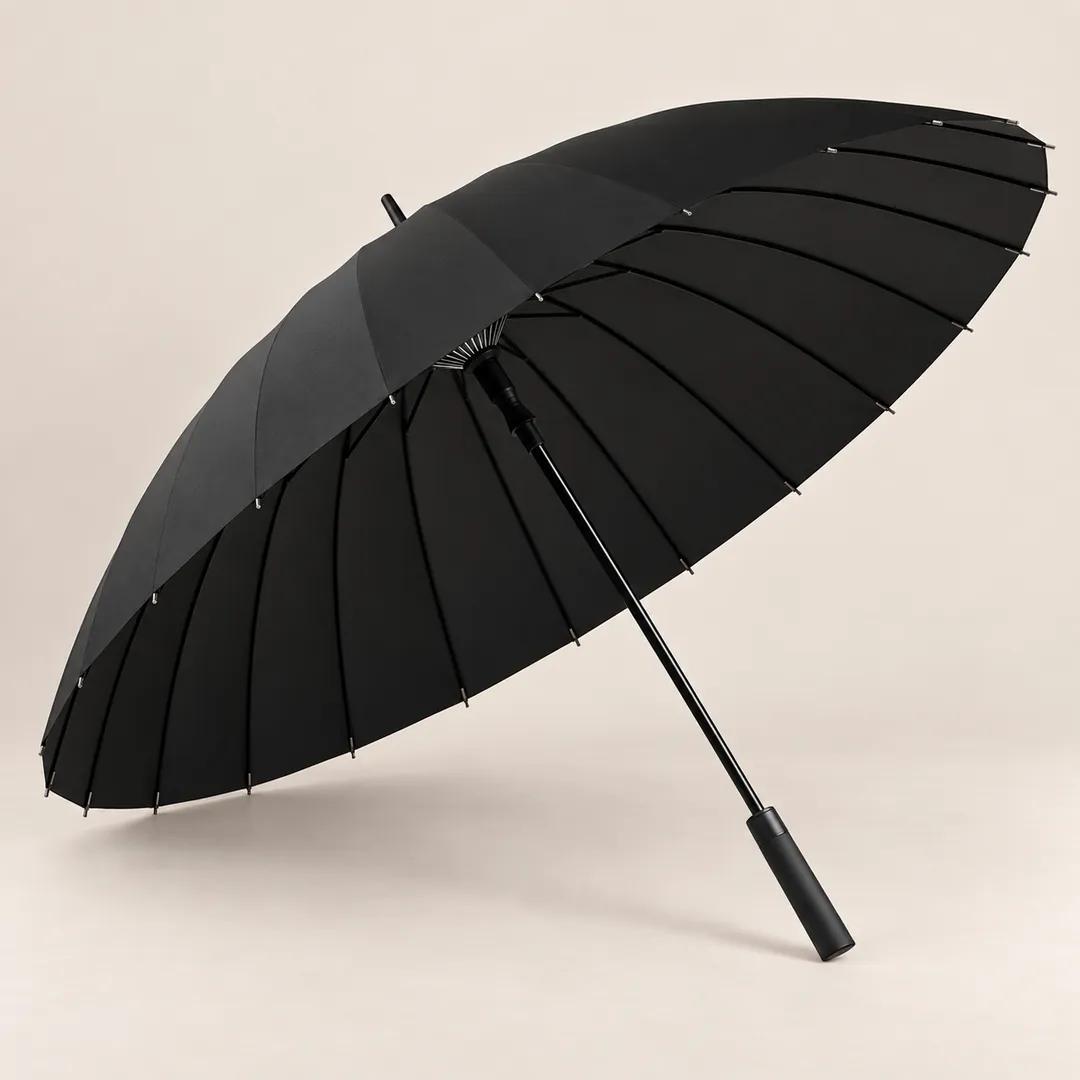
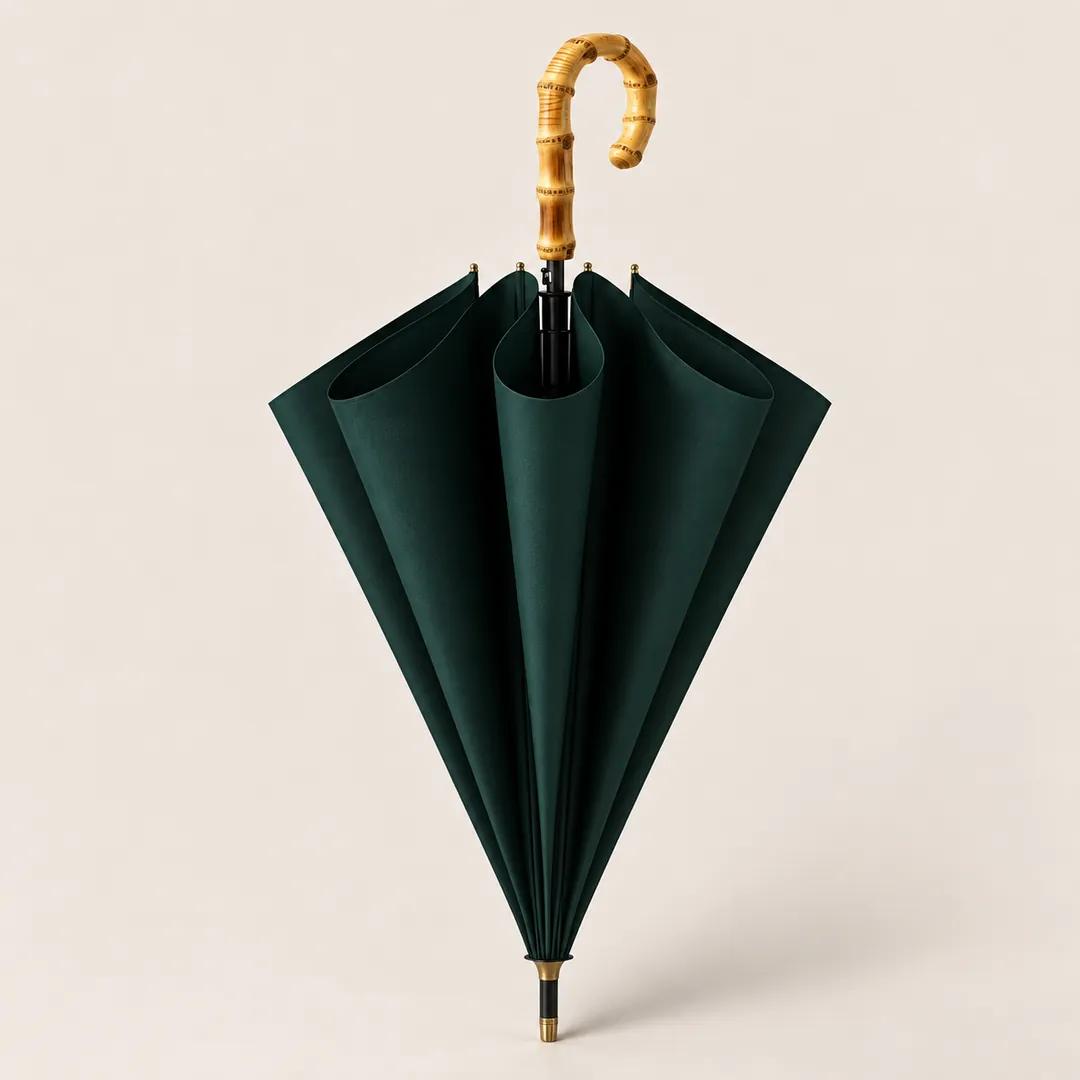
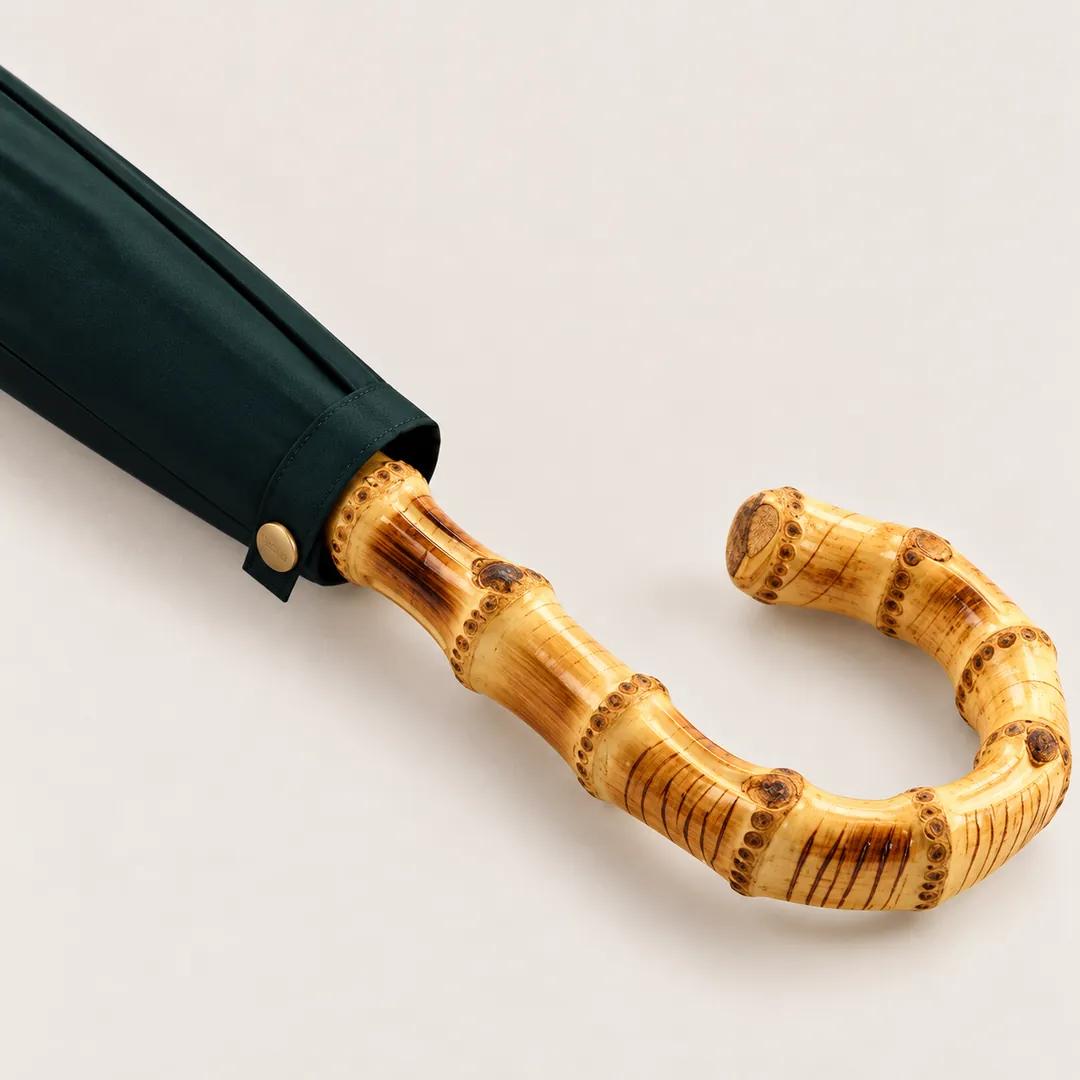
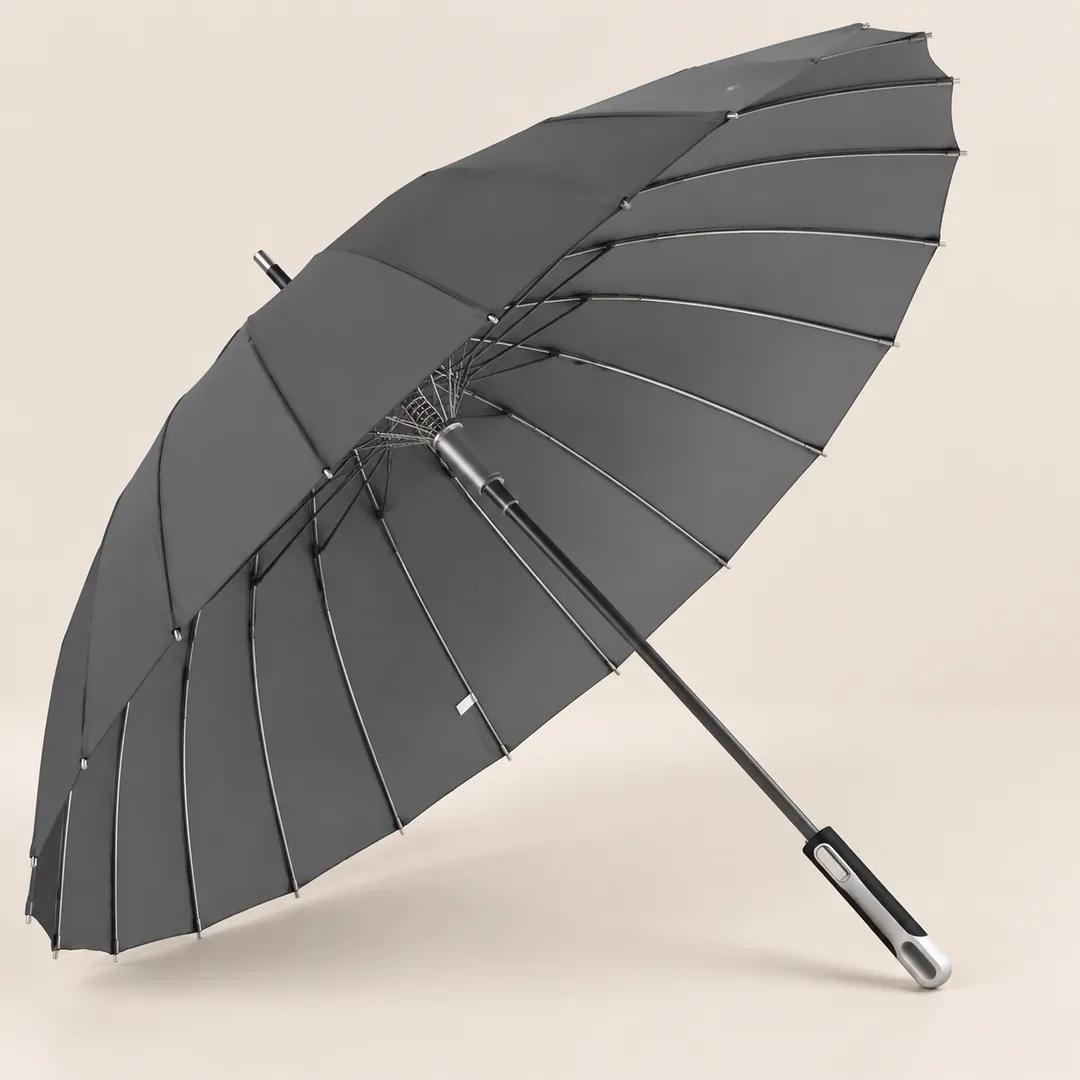
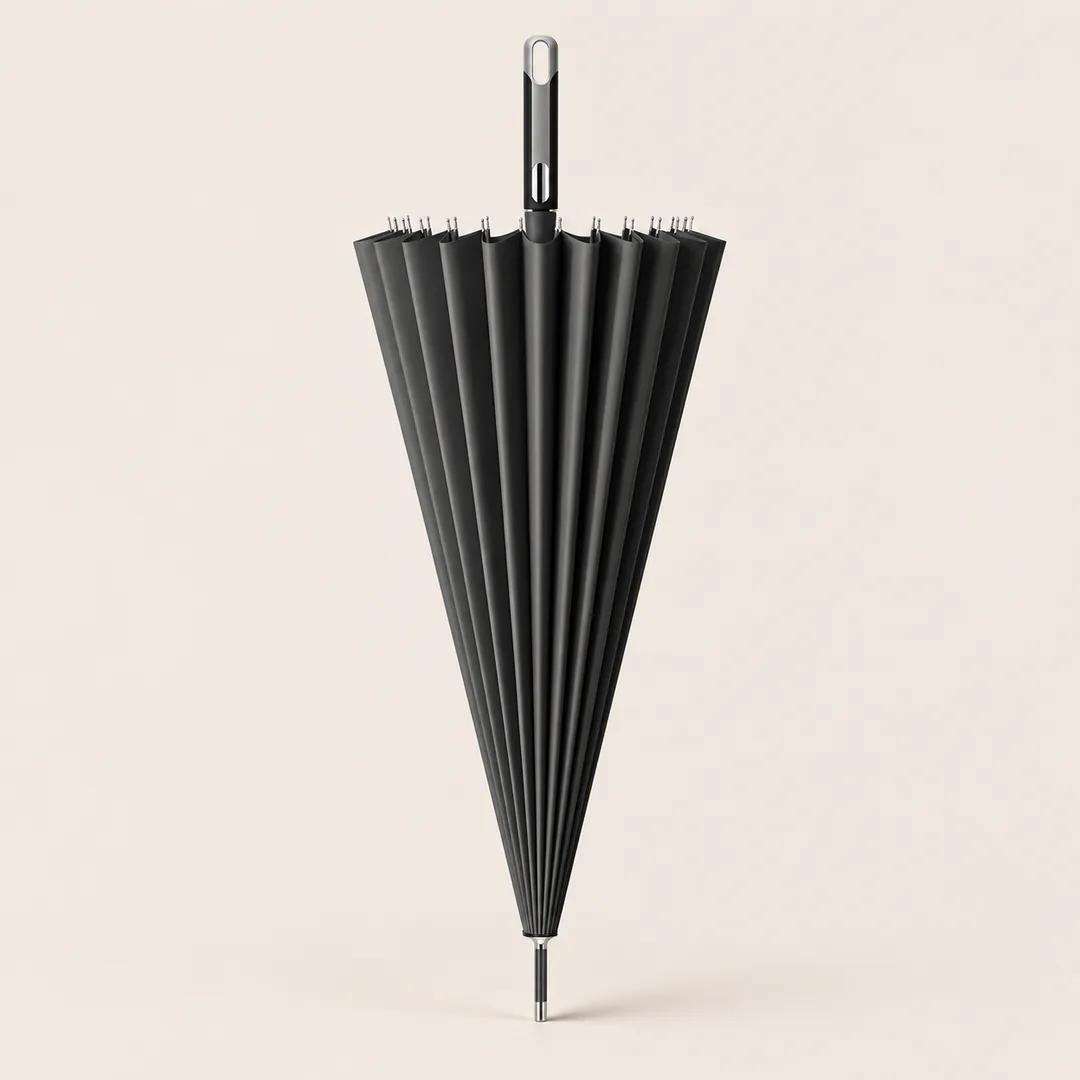
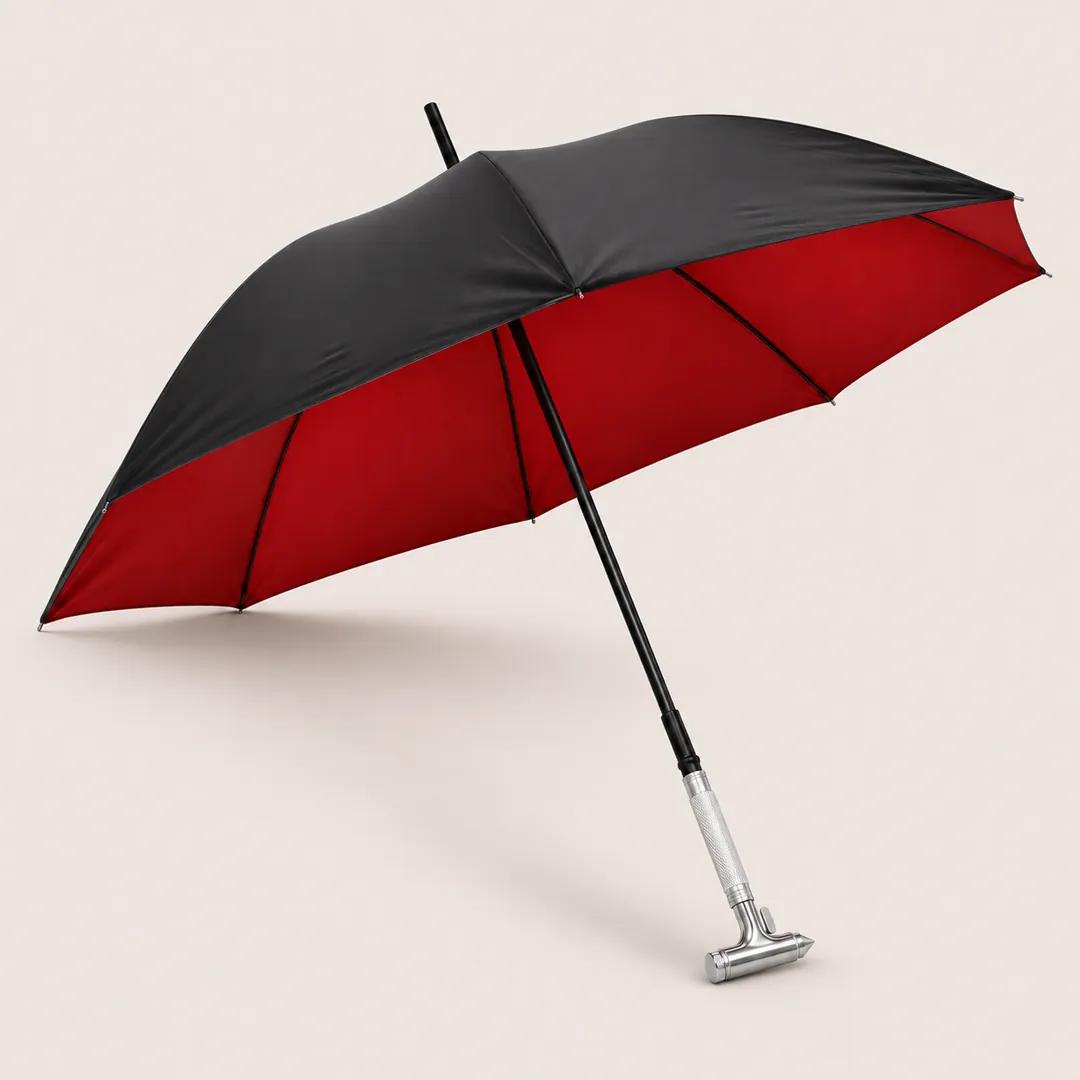
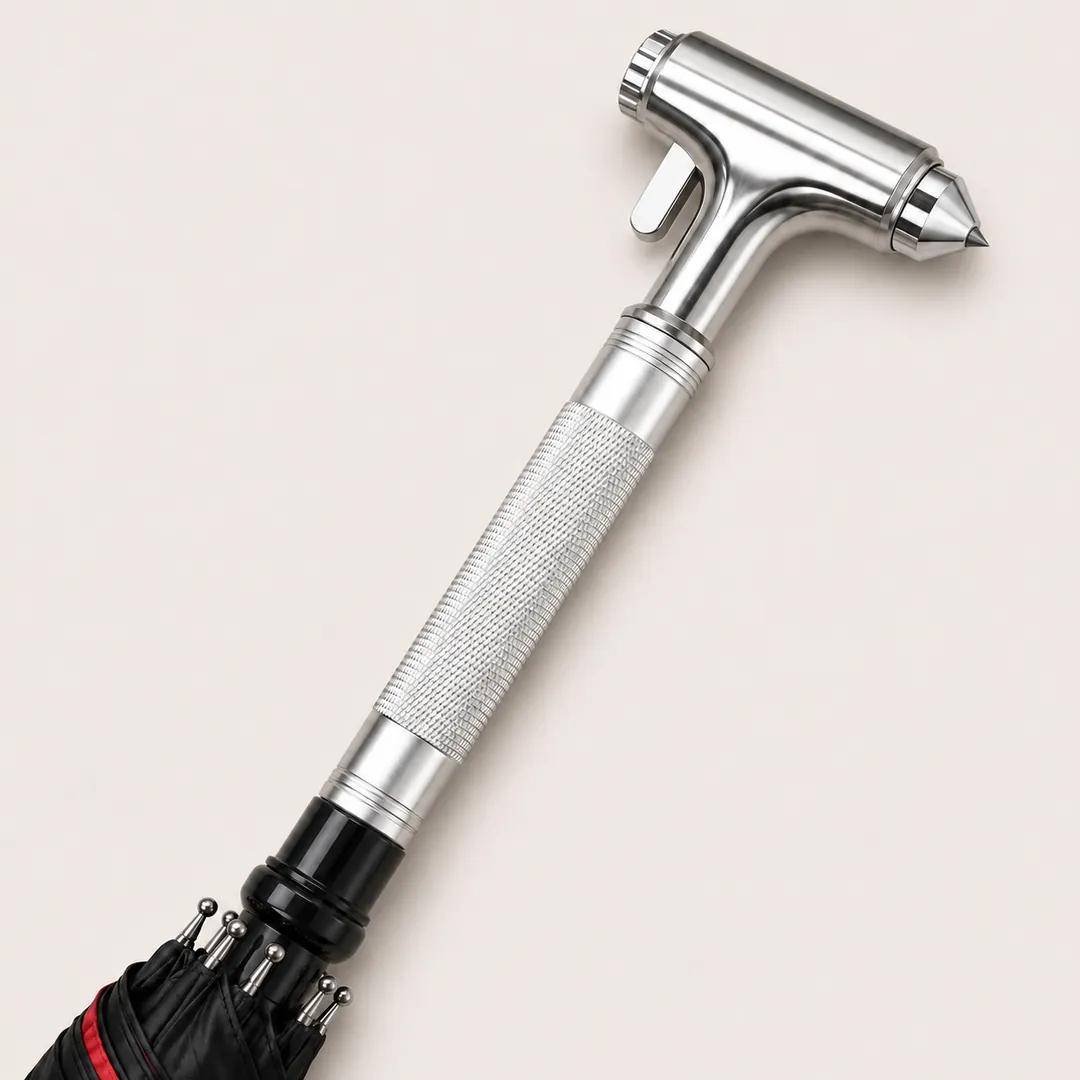
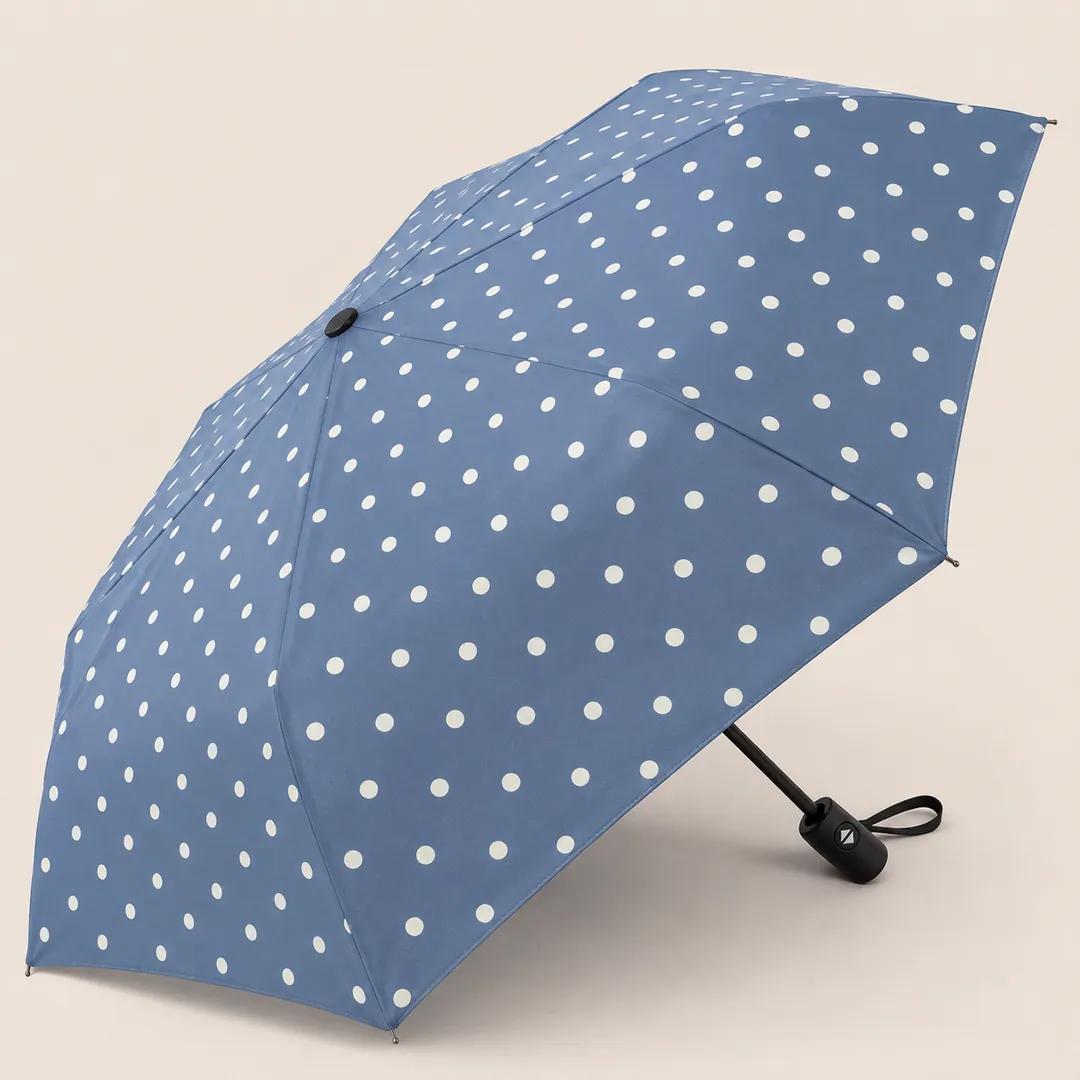
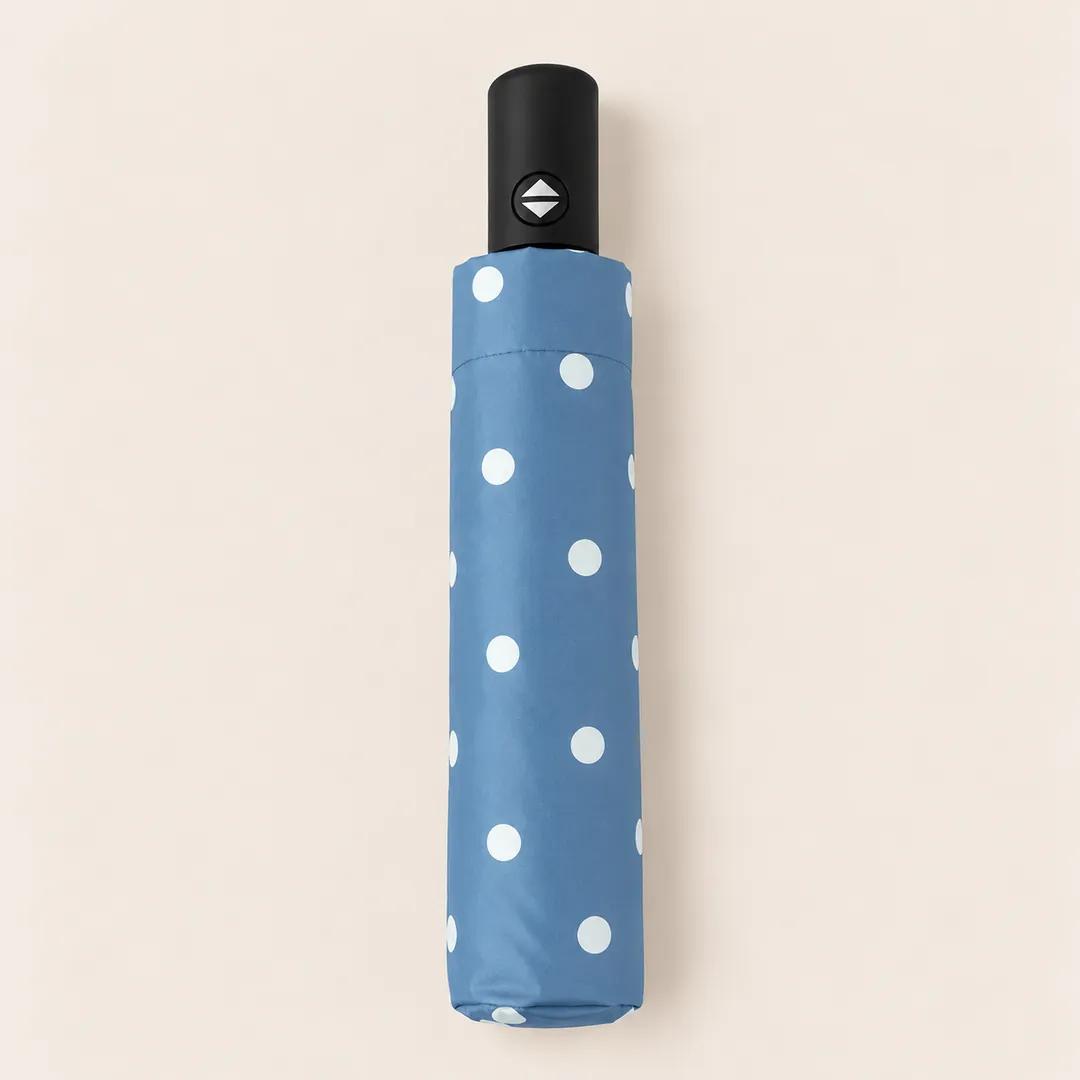


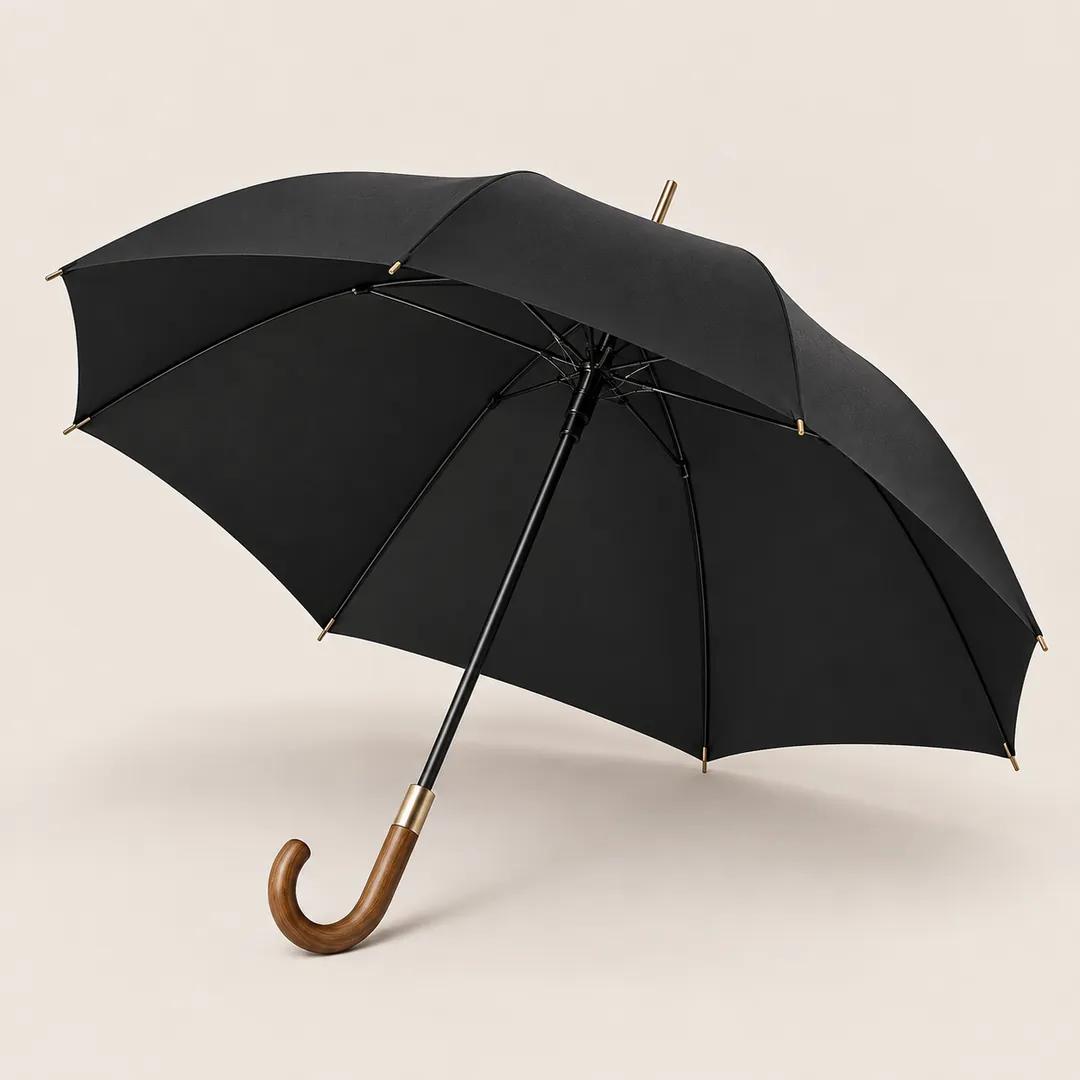
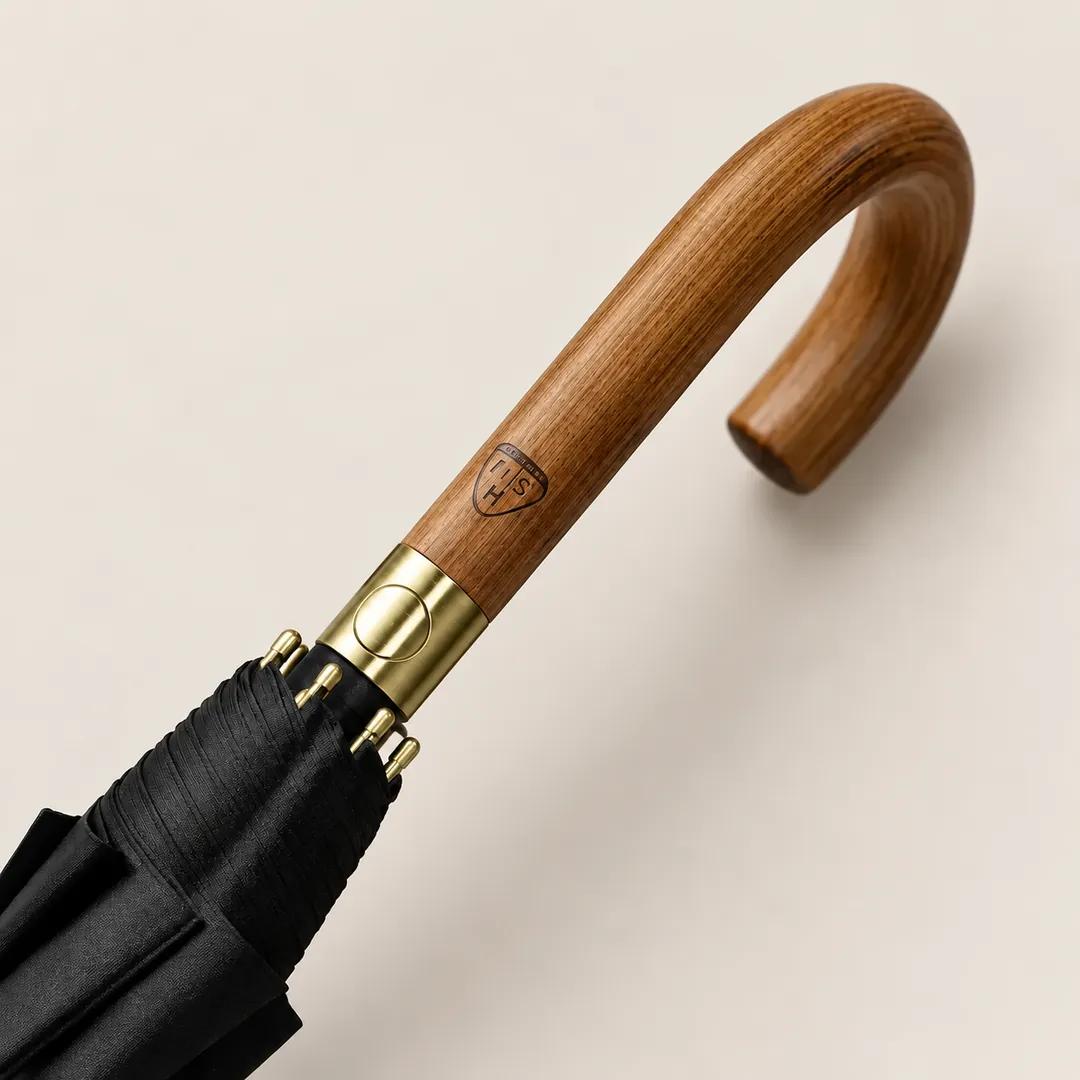
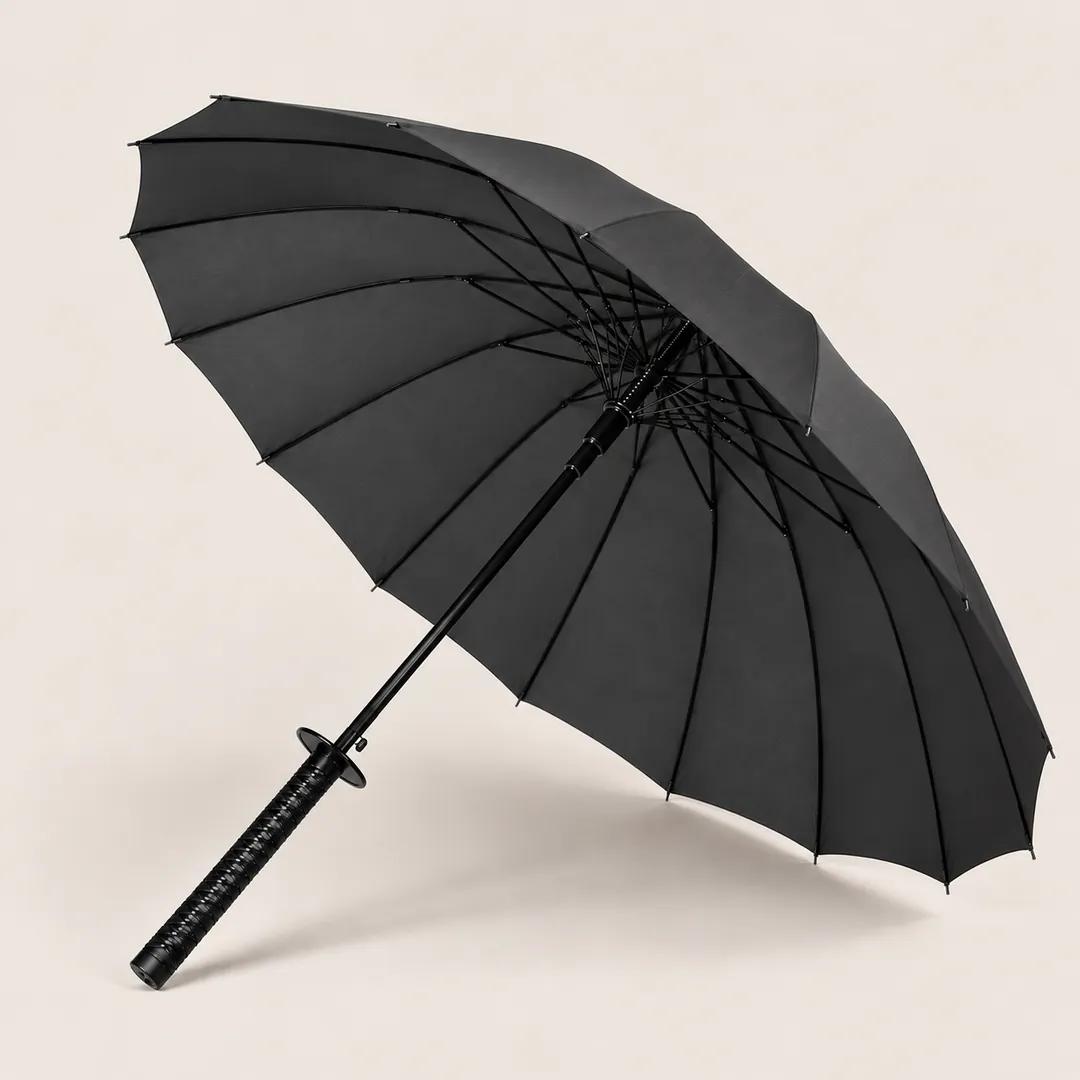
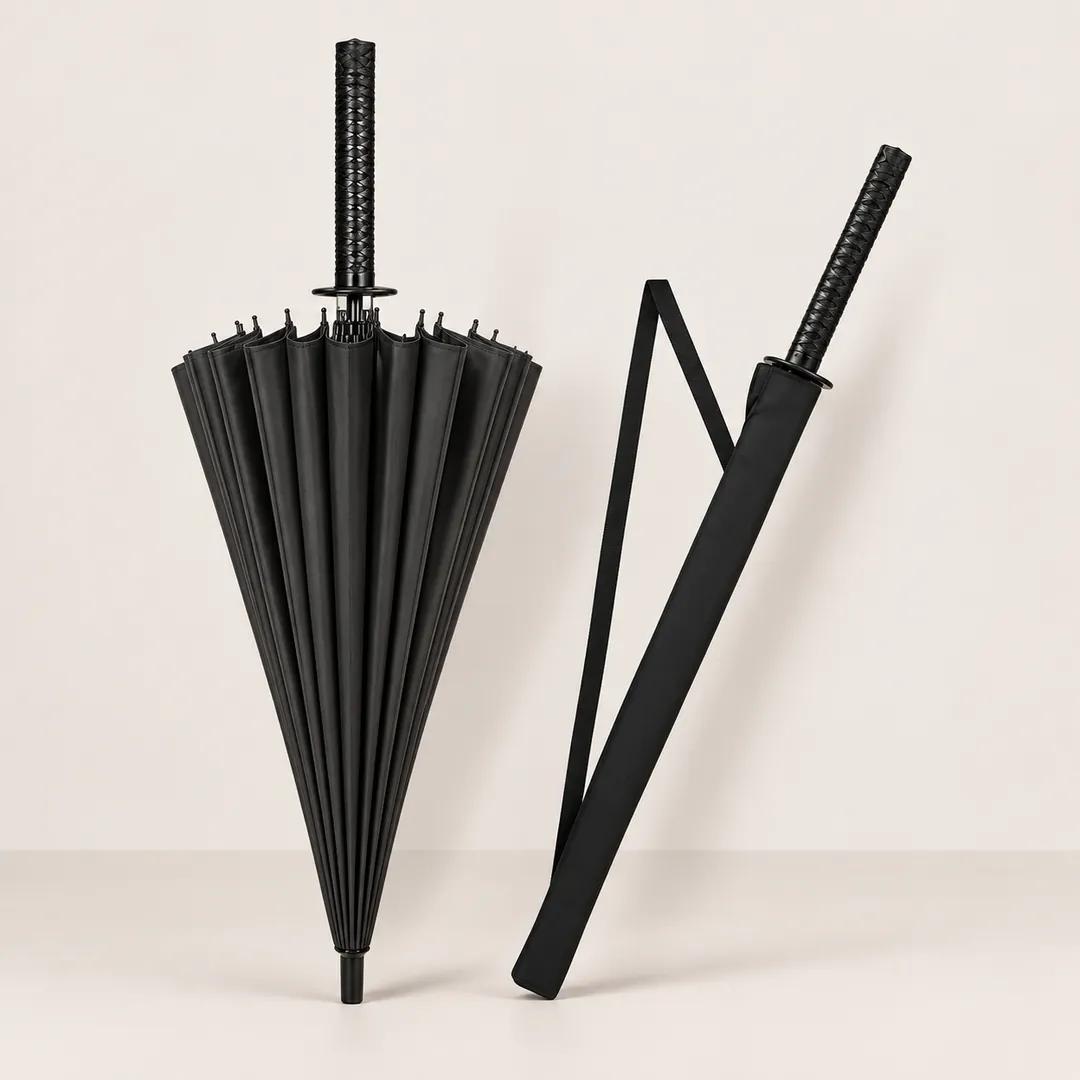
Instead, you should accept a very concrete compromise: rain coverage ↔ bulkiness ↔ surface exposed to wind. The right diameter is the one that provides the coverage you actually need without seeking a maximum size just because "bigger" seems better.
If you're more broadly unsure about the diameter, weight, mechanism, or handle, our guide on how to choose an umbrella covers these criteria independently of the wind issue.
Is an umbrella that flips inside out necessarily bad?
No, but it all depends on what happens next.
When the wind gets under the canopy, the pressure can push the frame in the opposite direction to its normal position. The umbrella can then flip inside out. Visually, it's dramatic, but the flipping itself isn't enough to determine the state of the structure.
Several situations need to be distinguished. The frame may undergo a temporary deformation and then correctly regain its shape. It may also remain deformed, meaning some parts haven't returned to their original position or shape. Finally, a rib, a joint, or another part of the structure may break.
What interests me more than the mere fact that an umbrella has flipped is the state of the frame after the stress.
I wouldn't go so far as to present flipping as a quality in itself. The desired behavior depends on the umbrella's design. The important idea is simply that a temporary flip and mechanical breakage are two different phenomena.
Folding or cane umbrella: which to choose in windy conditions?
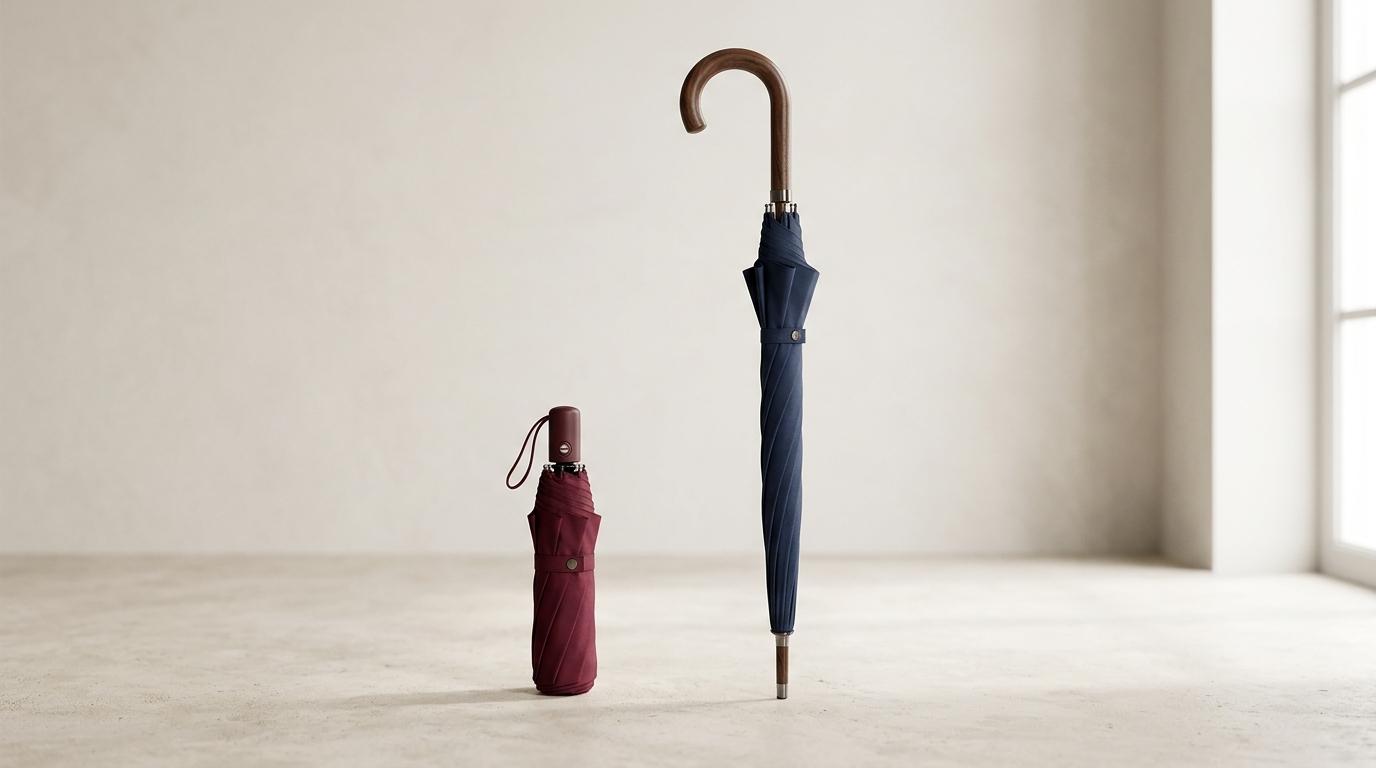
A cane umbrella generally has a less segmented architecture. A folding umbrella, on the other hand, must use multiple shaft sections and more joints to reduce its length when closed.
This difference is mechanically relevant, but it doesn't allow us to declare that the cane will always win against the wind. The quality of the ribs, joints, and assemblies, as well as the dimensions of the canopy, remain decisive.
Our folding umbrellas
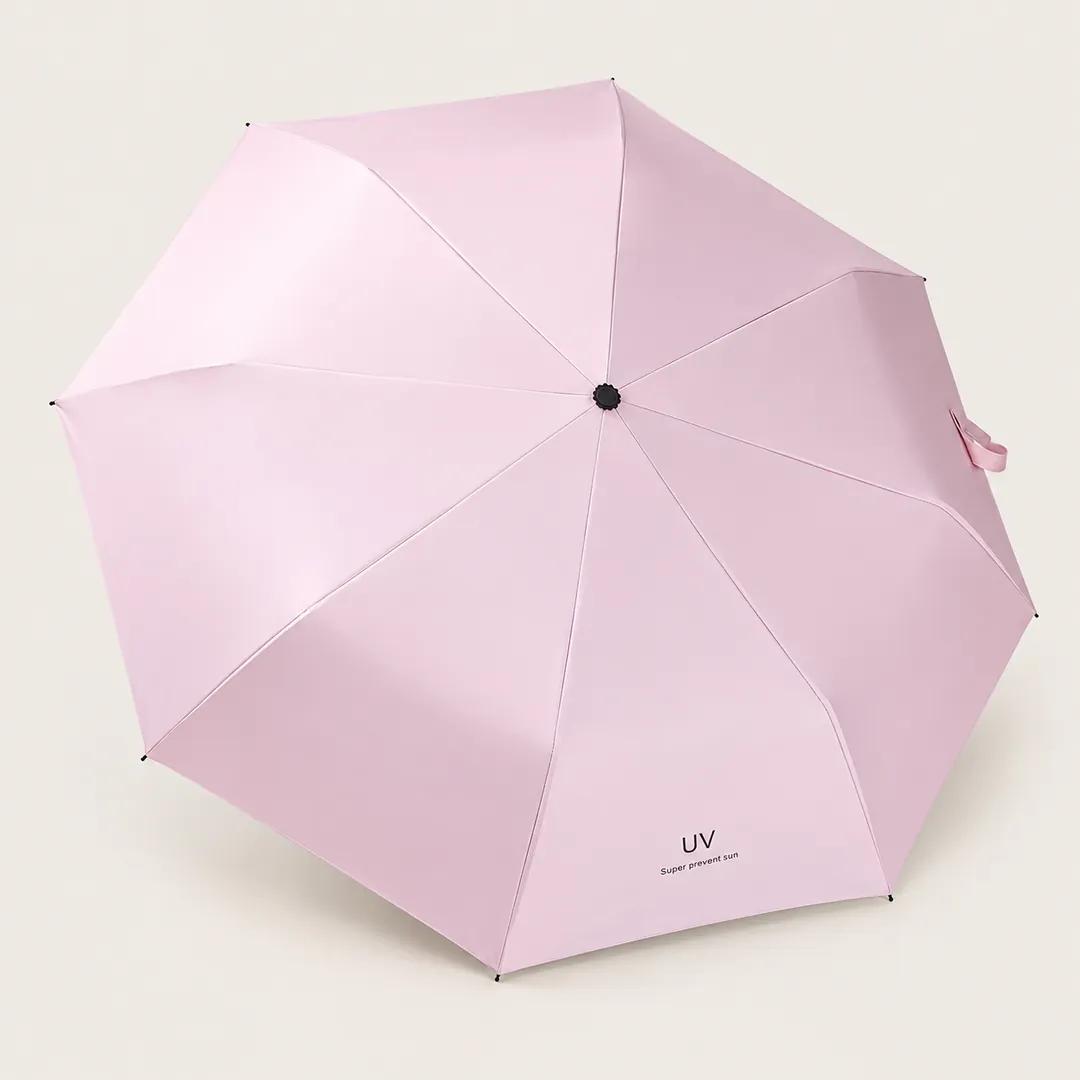
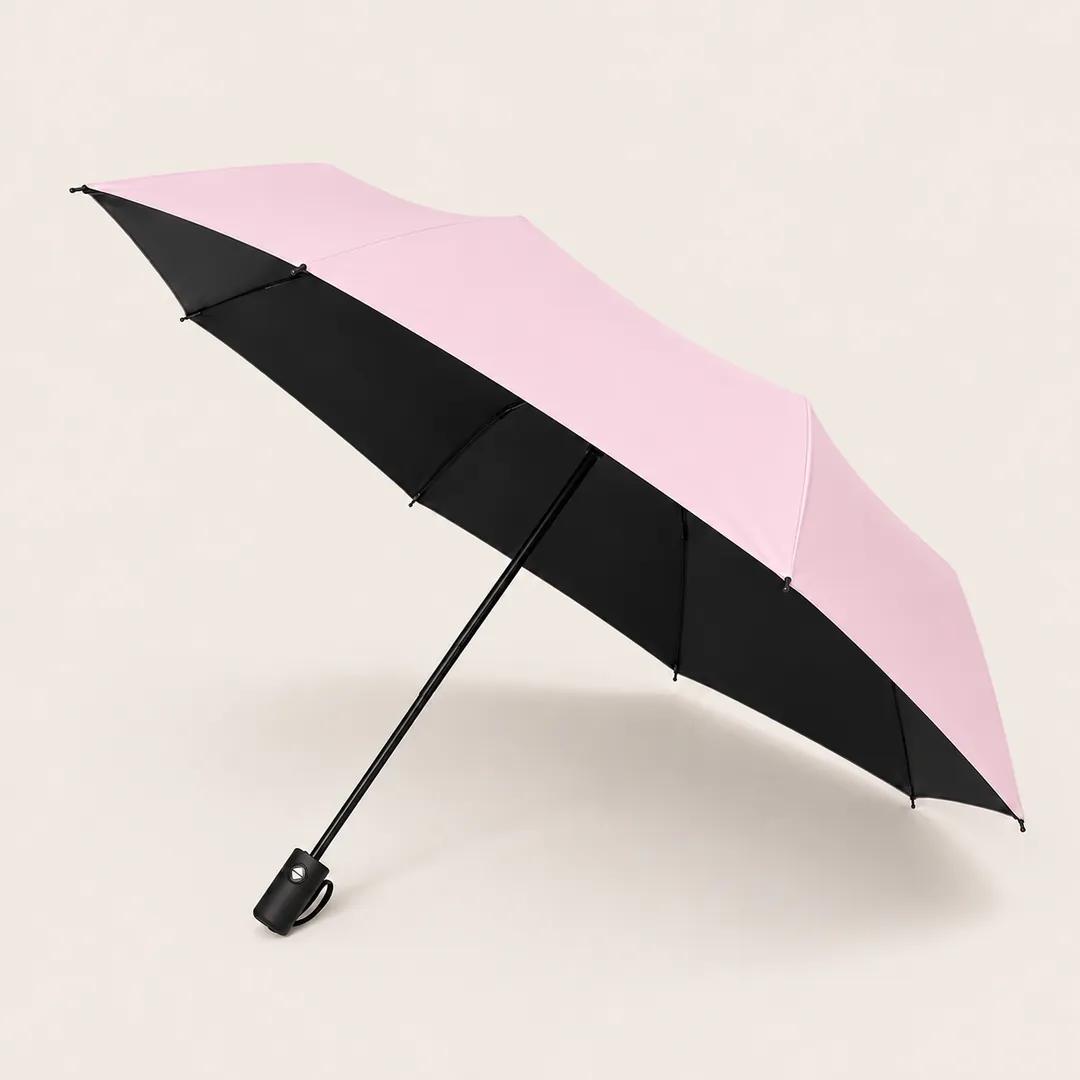

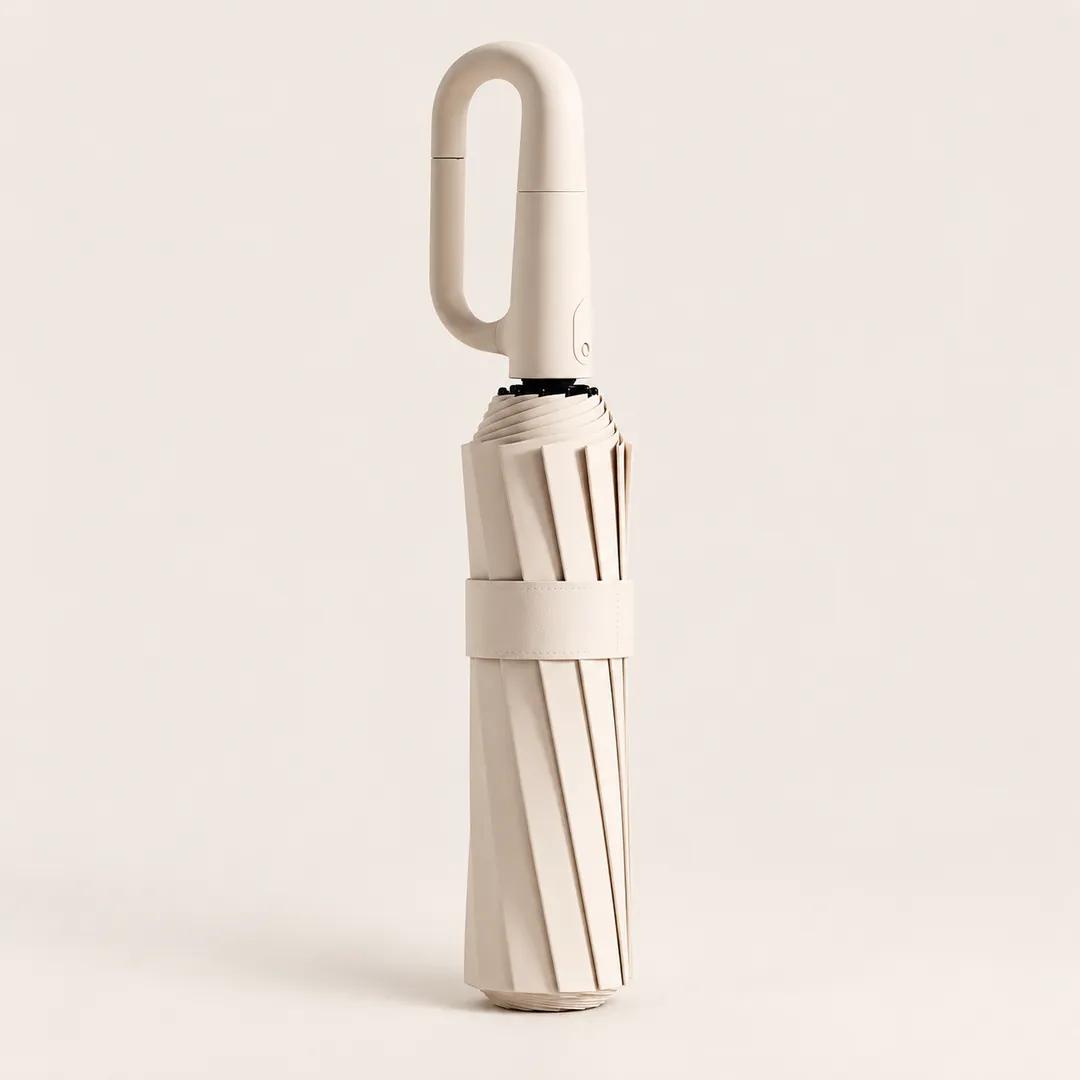
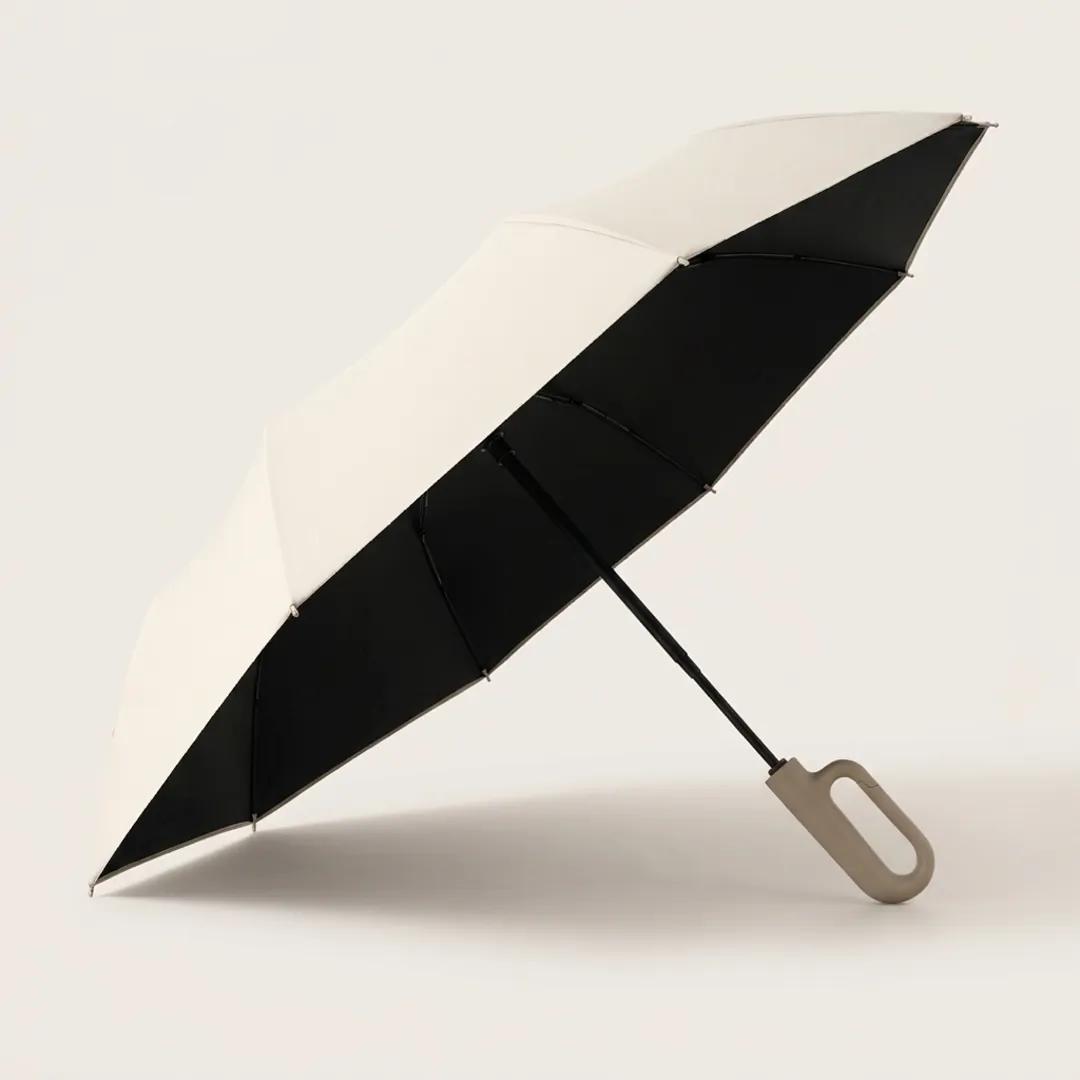

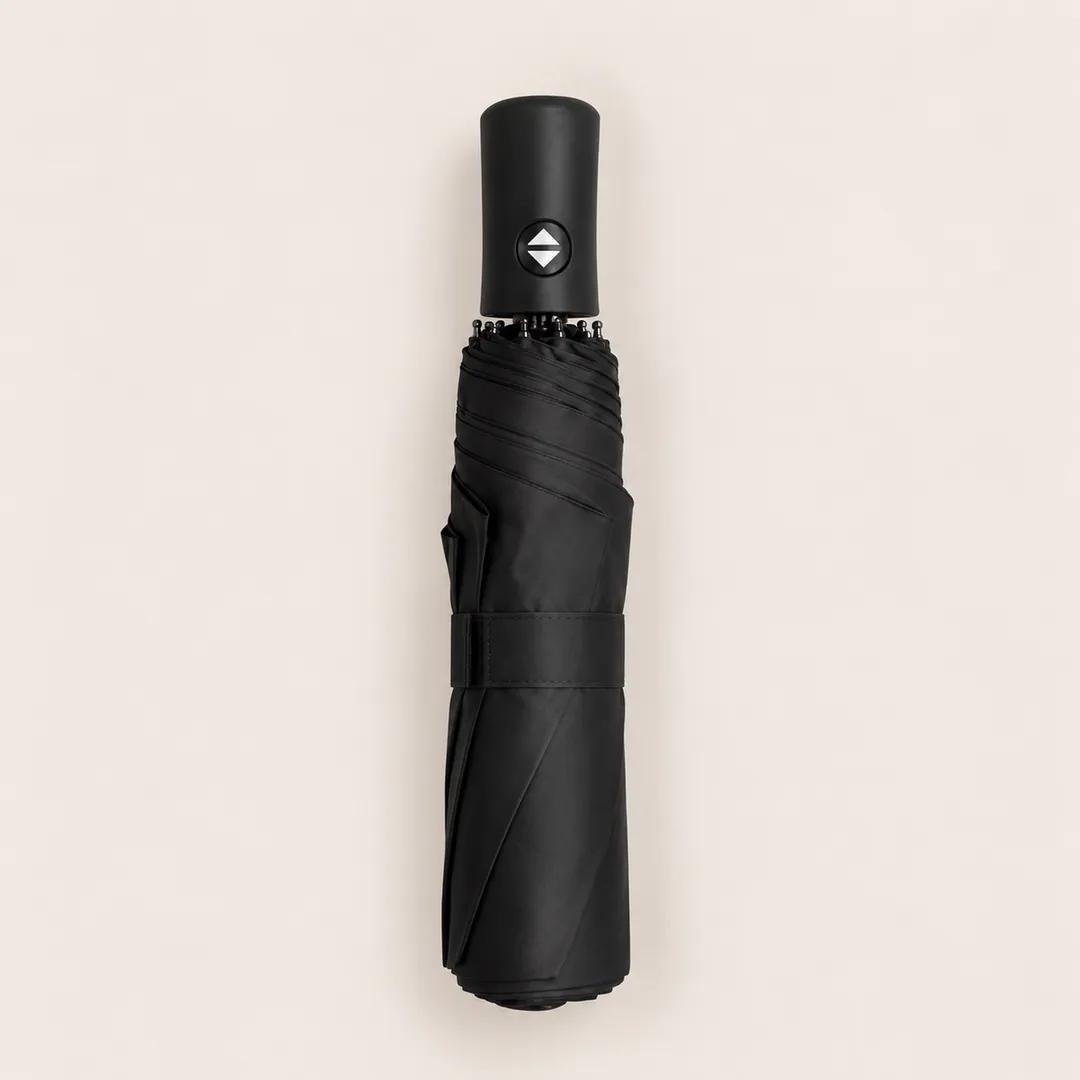
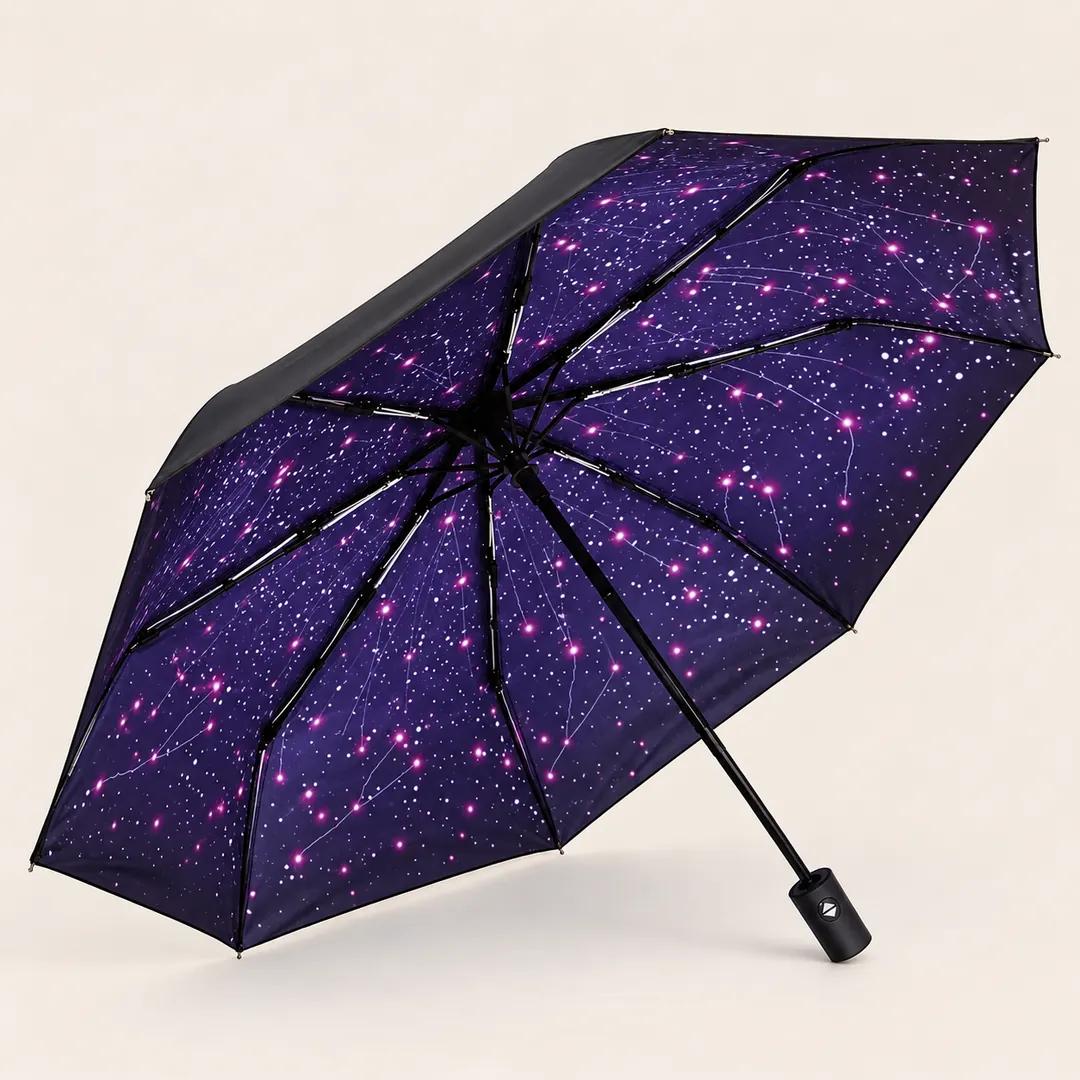

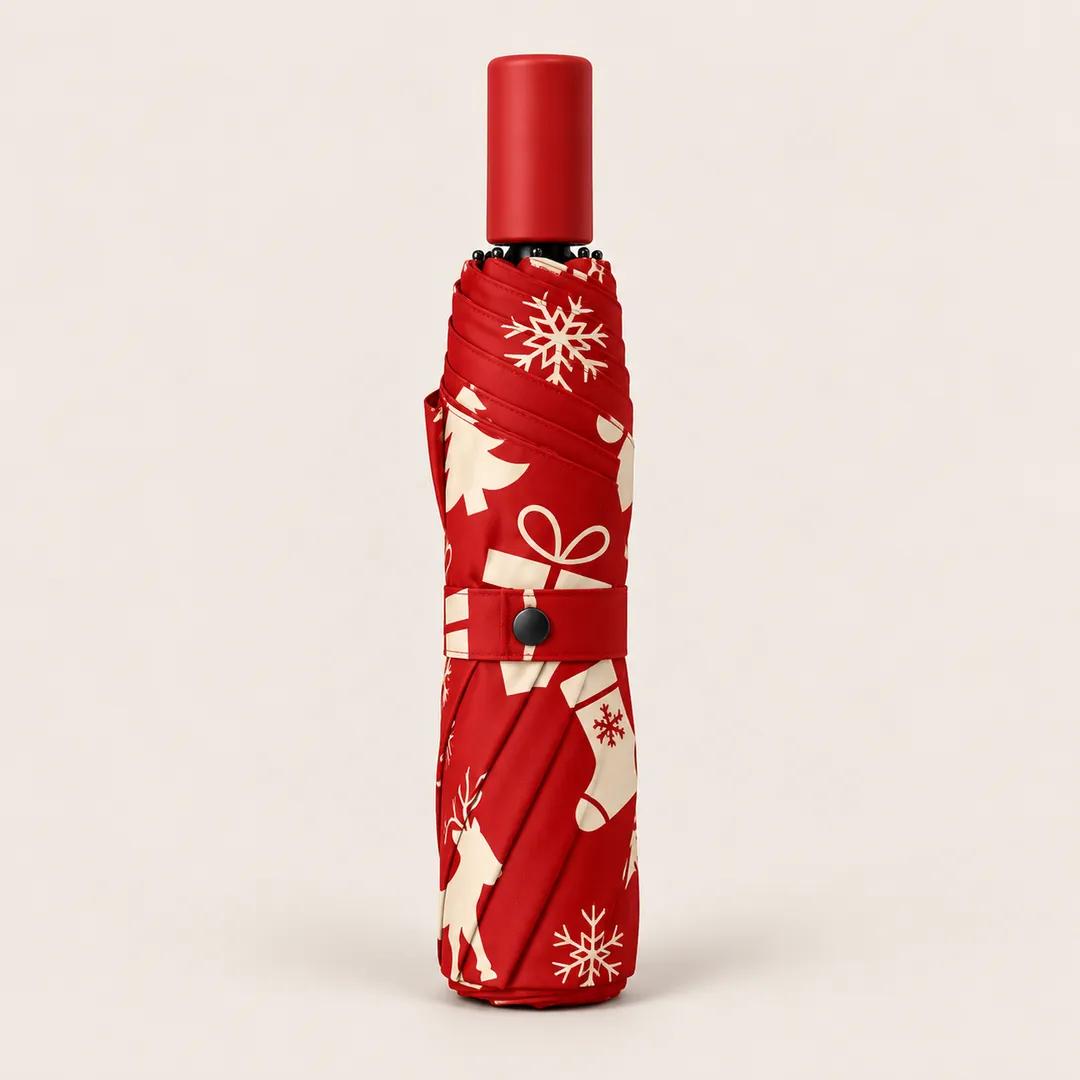
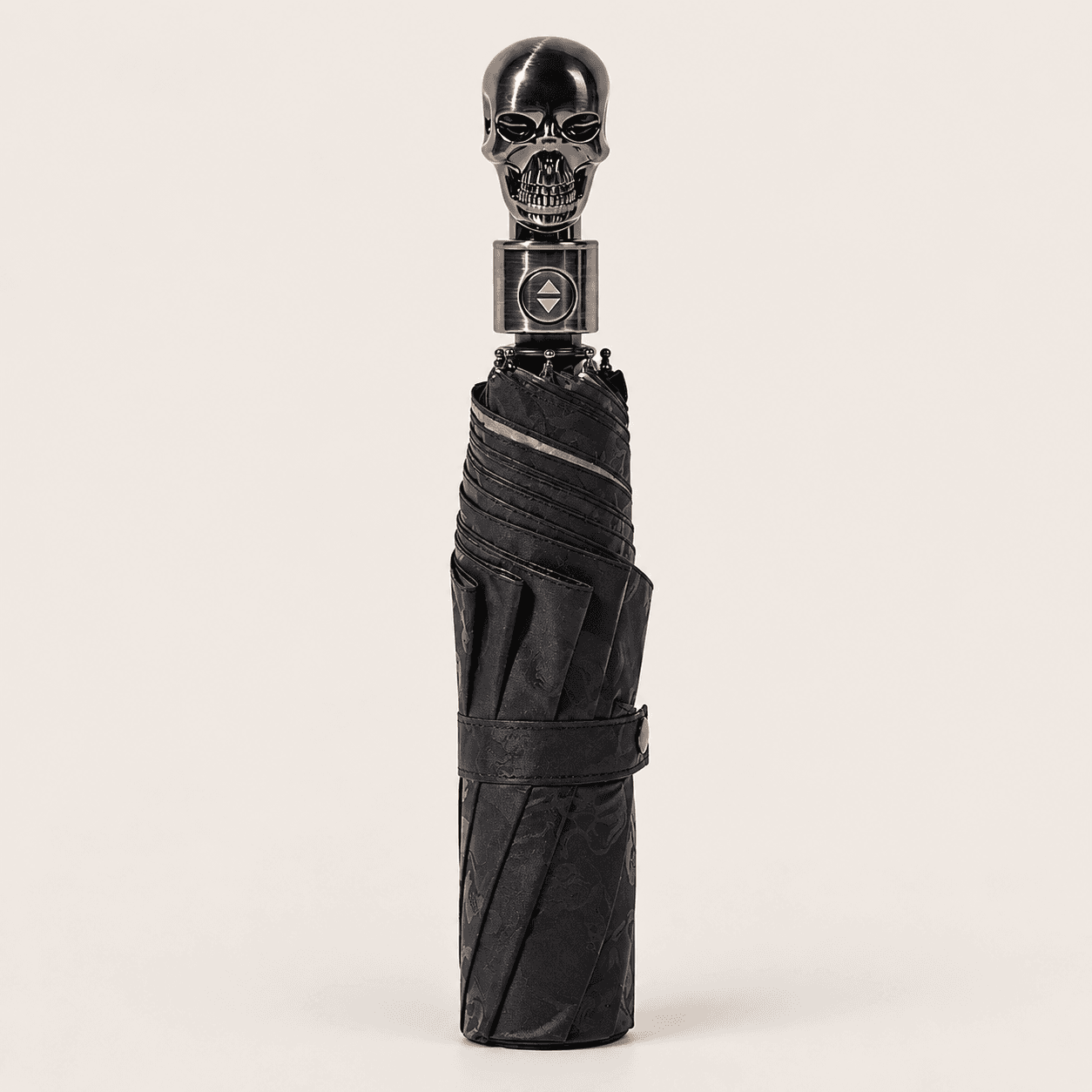
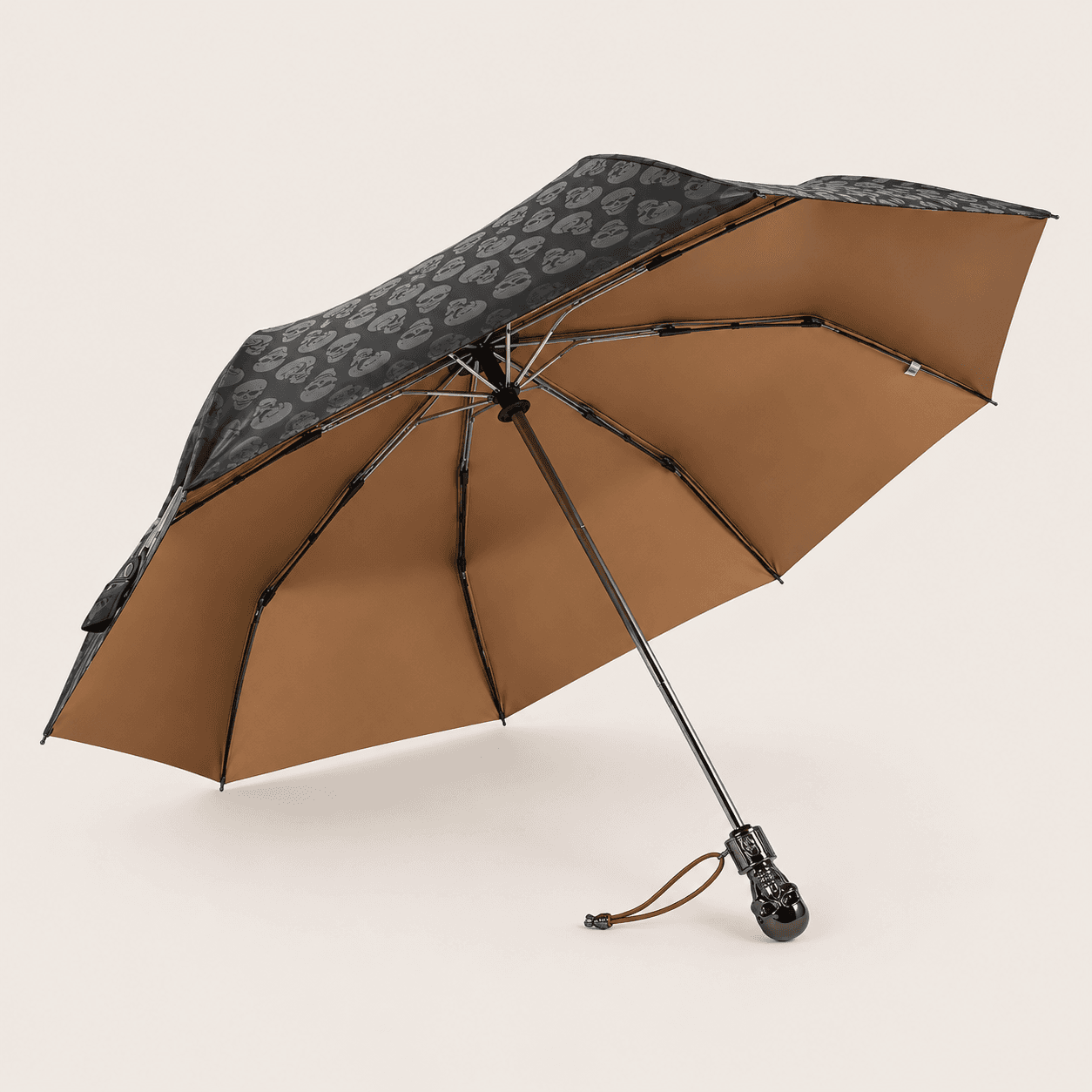
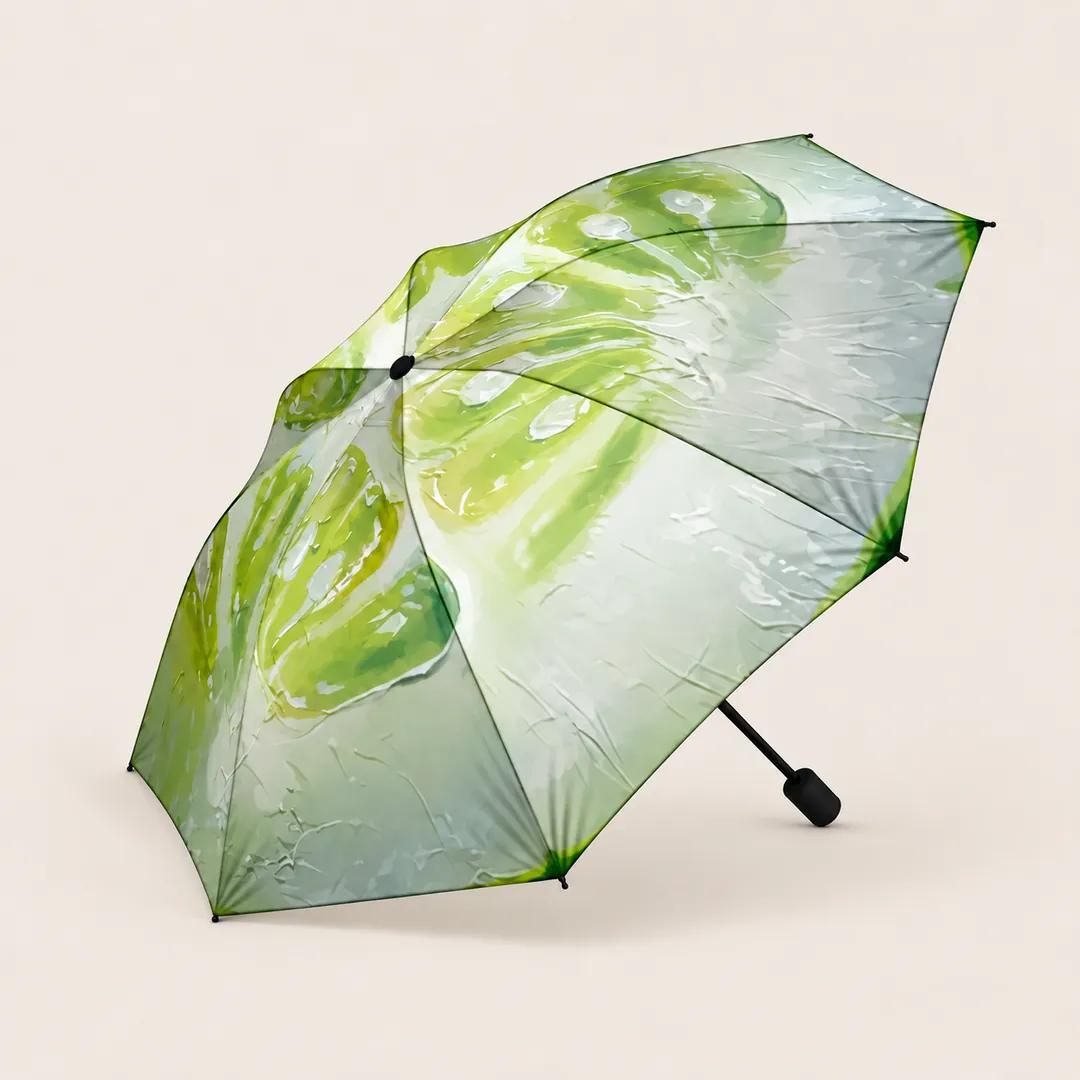

So I would choose the format based on usage before comparing the actual construction of the models. If this hesitation is significant for you, our comparison folding or cane umbrella details the differences between the two architectures without reducing them to the wind issue.
The criteria I consider when choosing an umbrella for windy weather
On a product sheet, I would start by looking for information about the frame. When the materials of the ribs and shaft are indicated, they already provide more information than a simple "sturdy" or "windproof" label.
I would then look at the announced design of the ribs and joints. On a folding umbrella, joints are essential for folding: their presence is not a flaw in itself, but they are part of the mechanical elements to consider.
The open diameter would then allow me to relate the coverage to the exposed canopy area. The number of ribs can complement this reading, provided it's never used as isolated proof of resistance.
Finally, I would check the weight if the umbrella needs to stay in a bag daily, then any technical information provided by the manufacturer about its behavior in the wind.
This is where I'm wary of the term "windproof" when it appears alone. A commercial label doesn't explain how the frame is constructed or how it behaves under stress. The more verifiable technical information the product sheet provides, the more possible it becomes to understand what this promise actually covers.
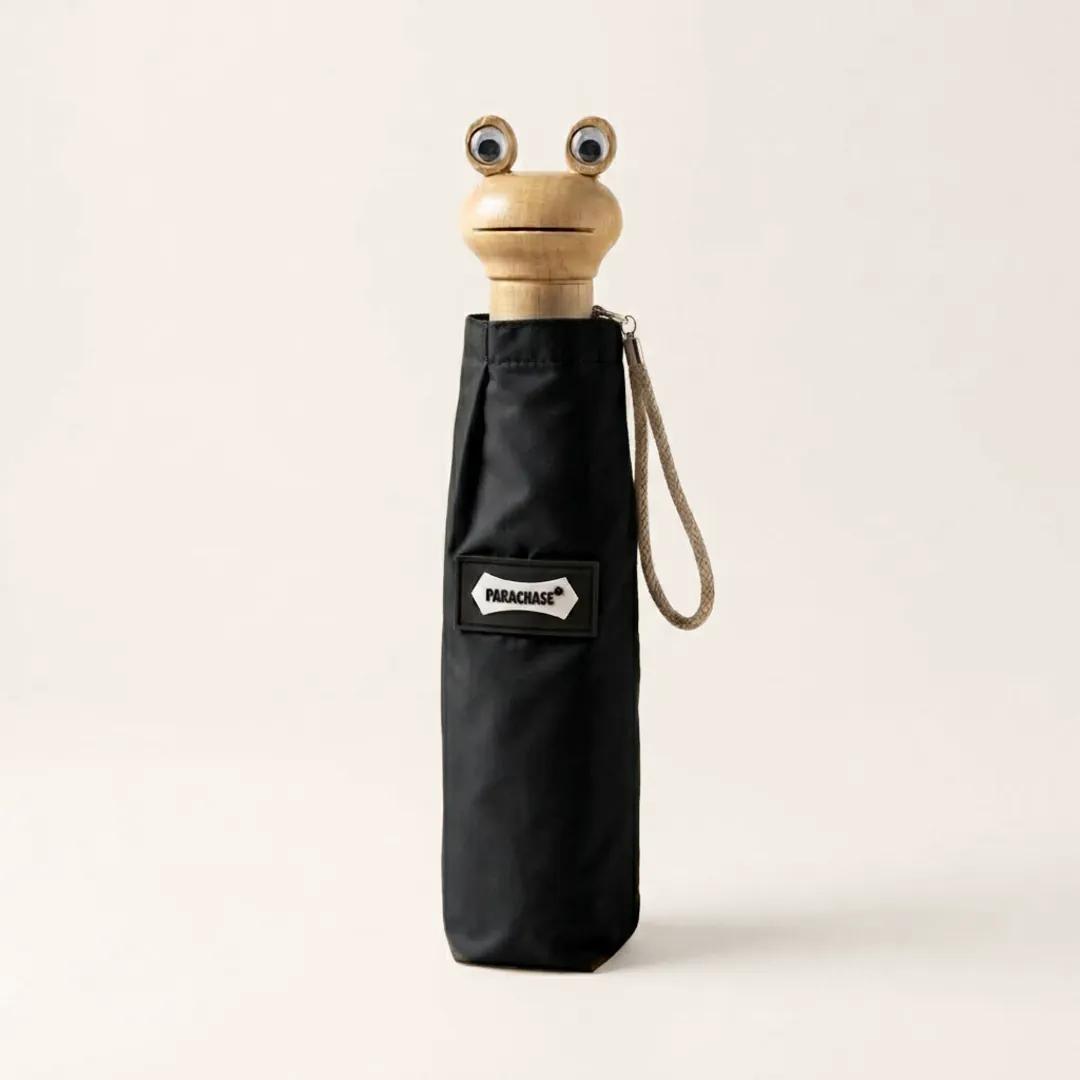
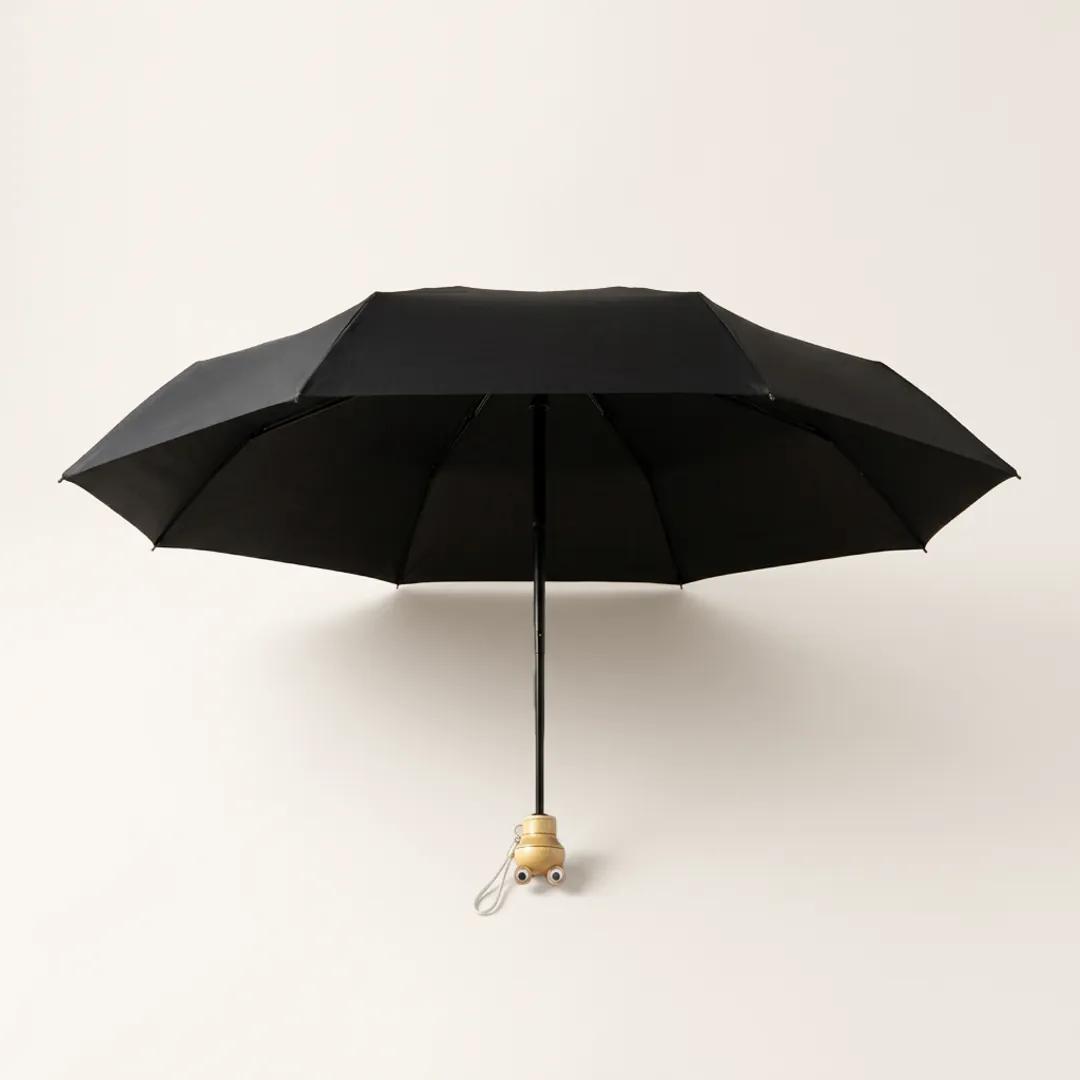
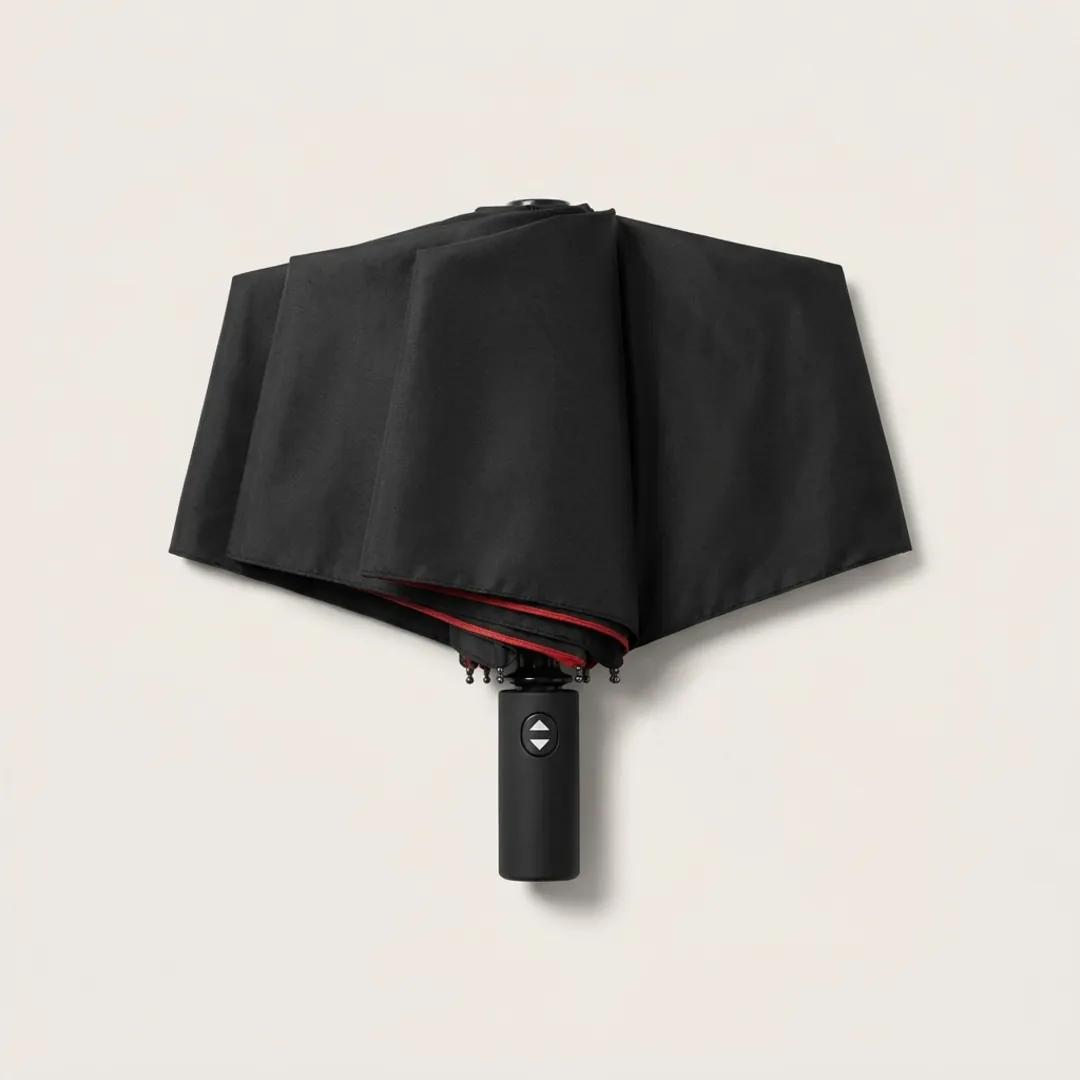
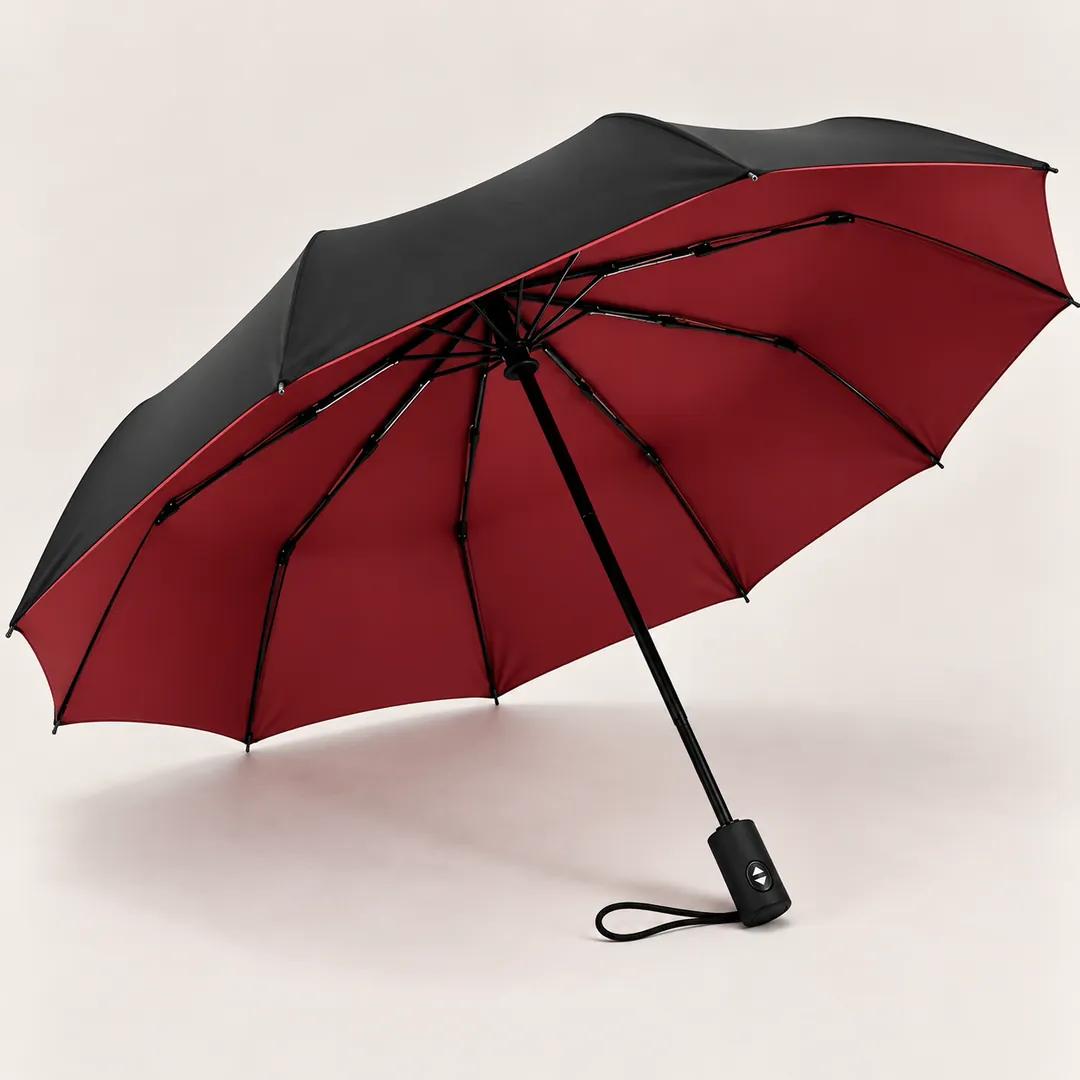
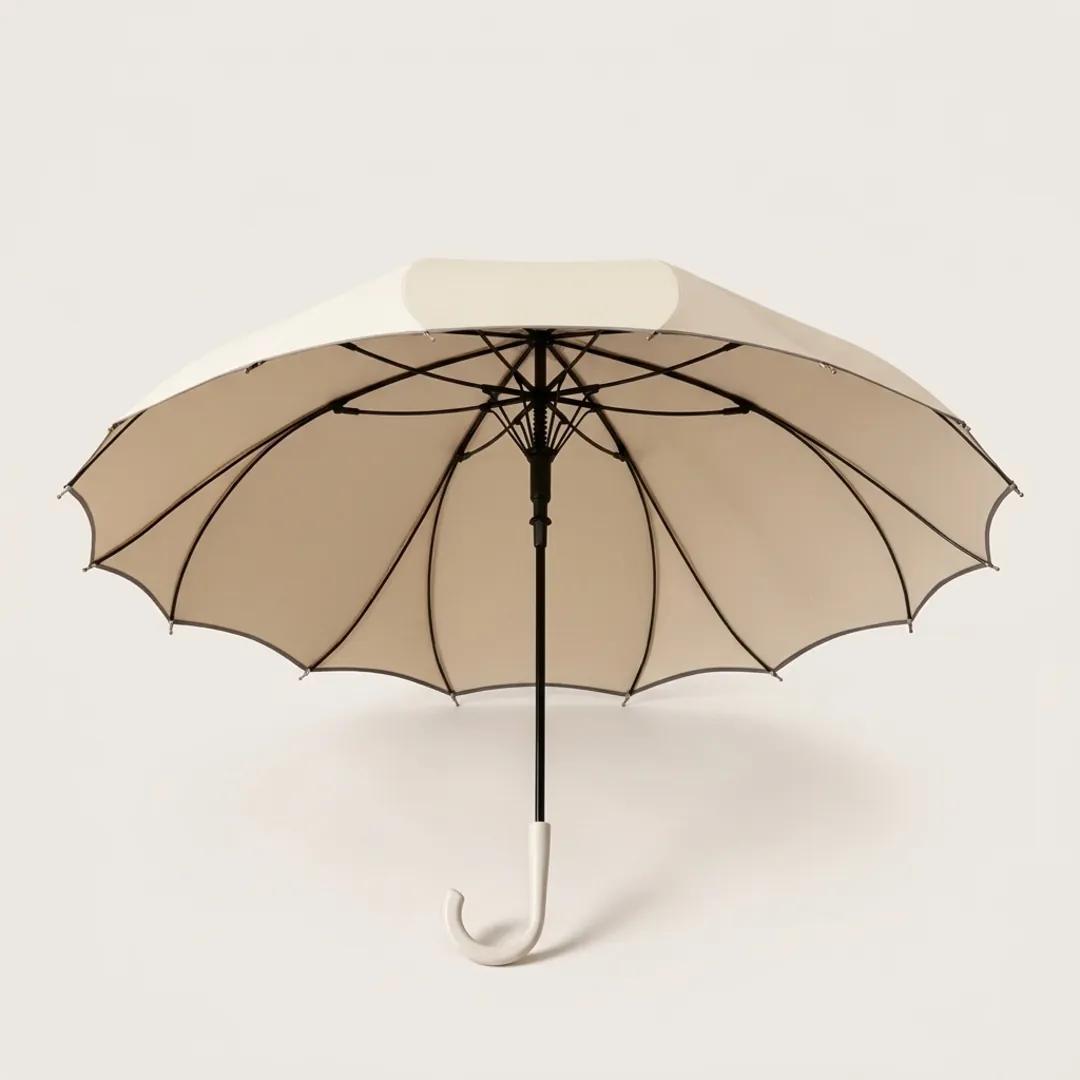
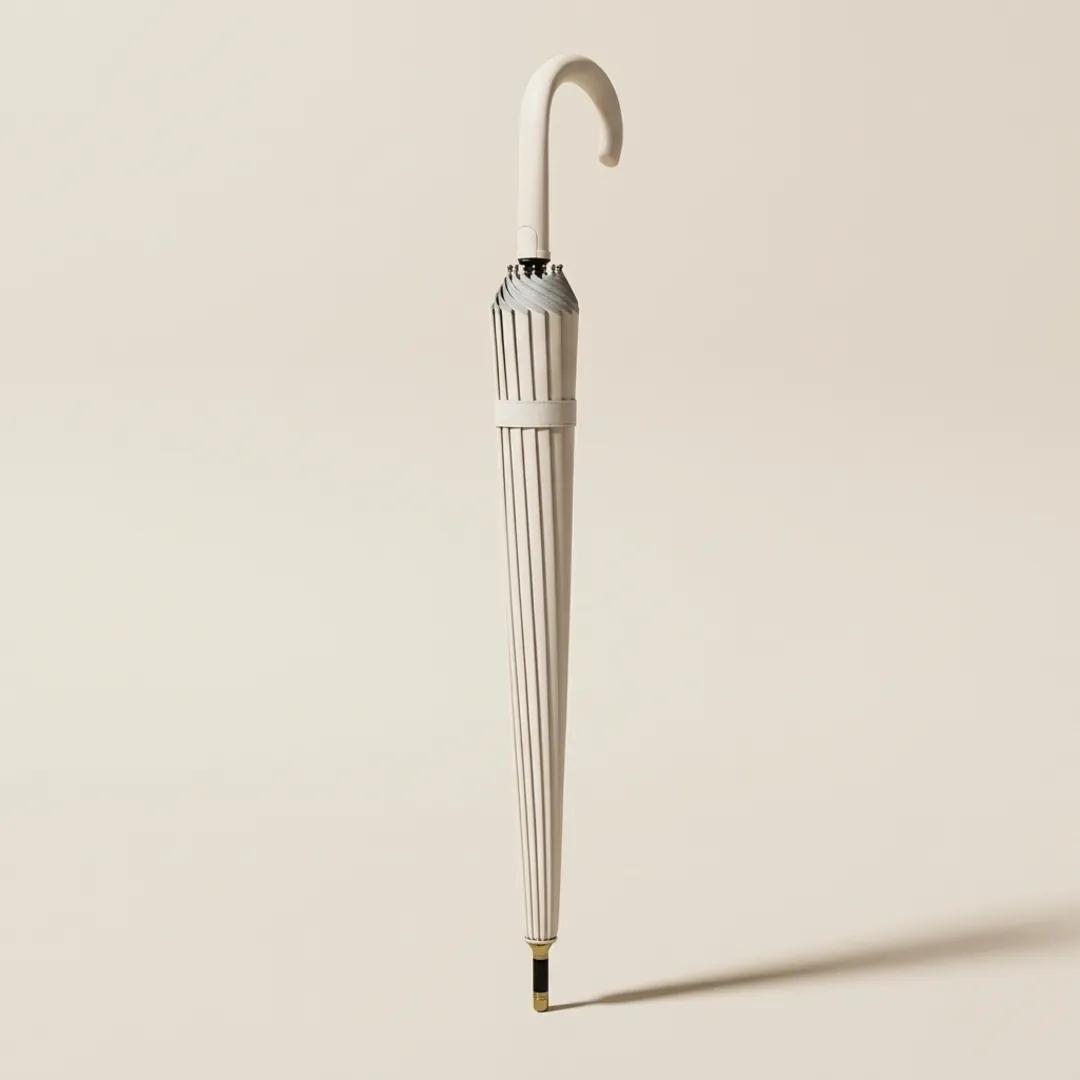
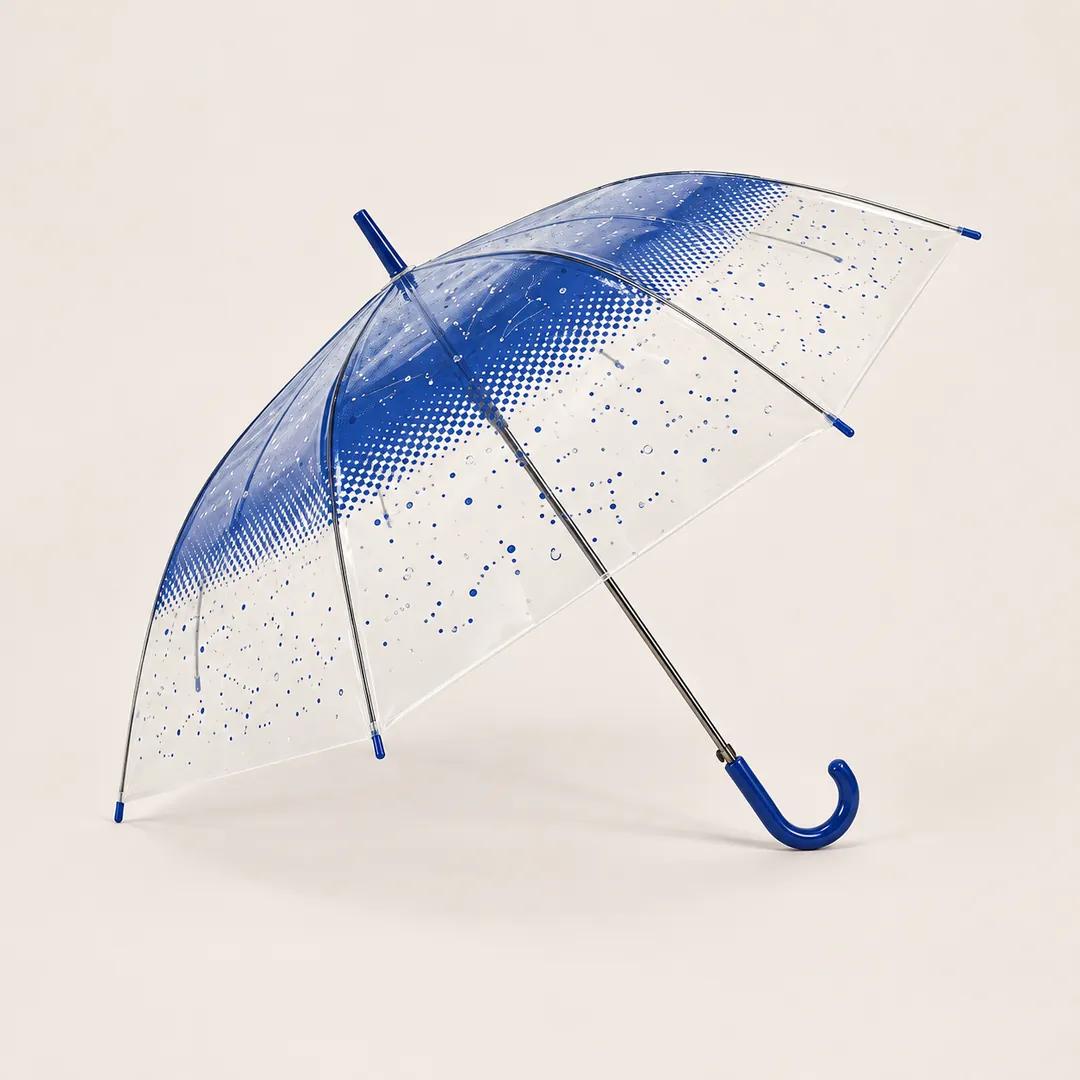
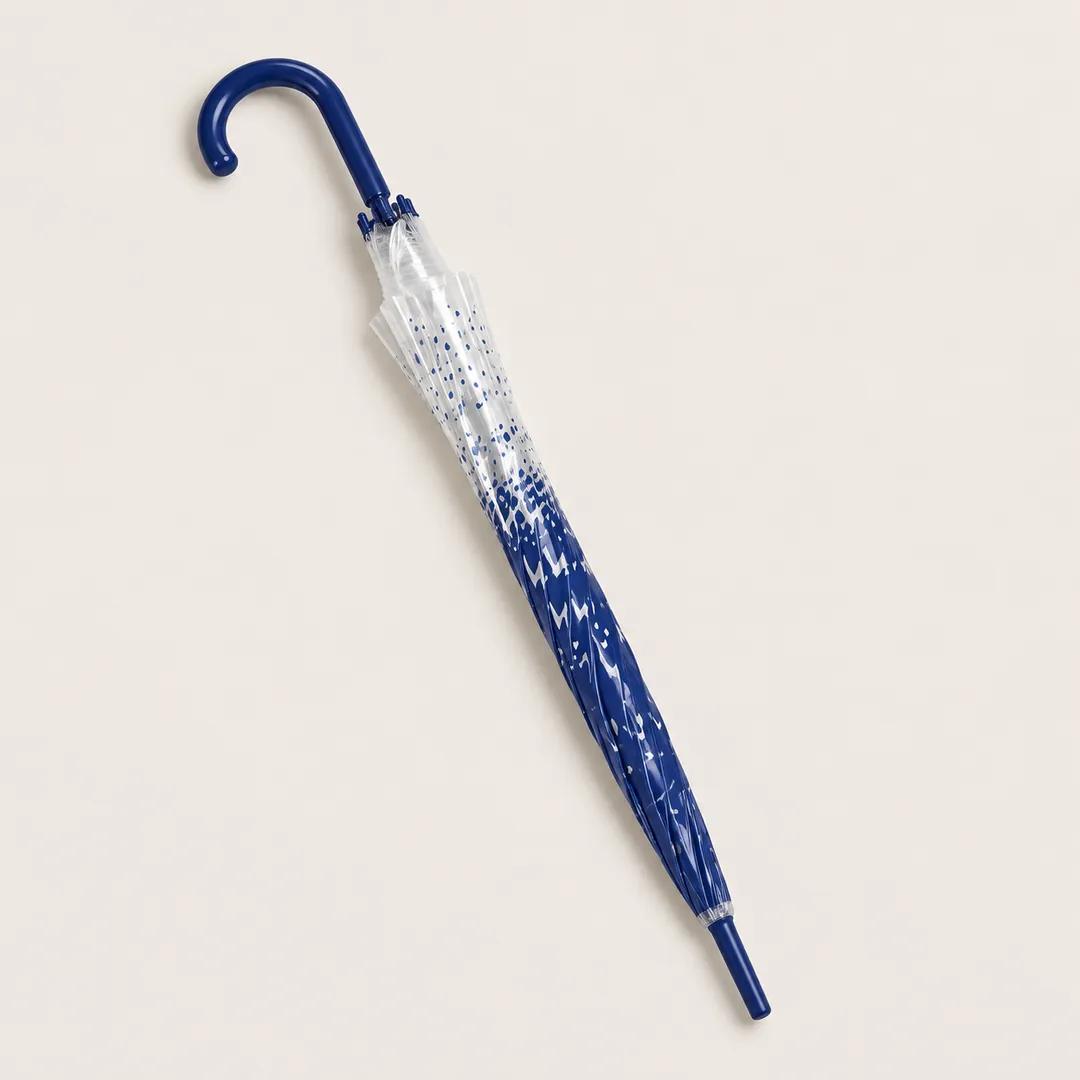
Our windproof umbrellas

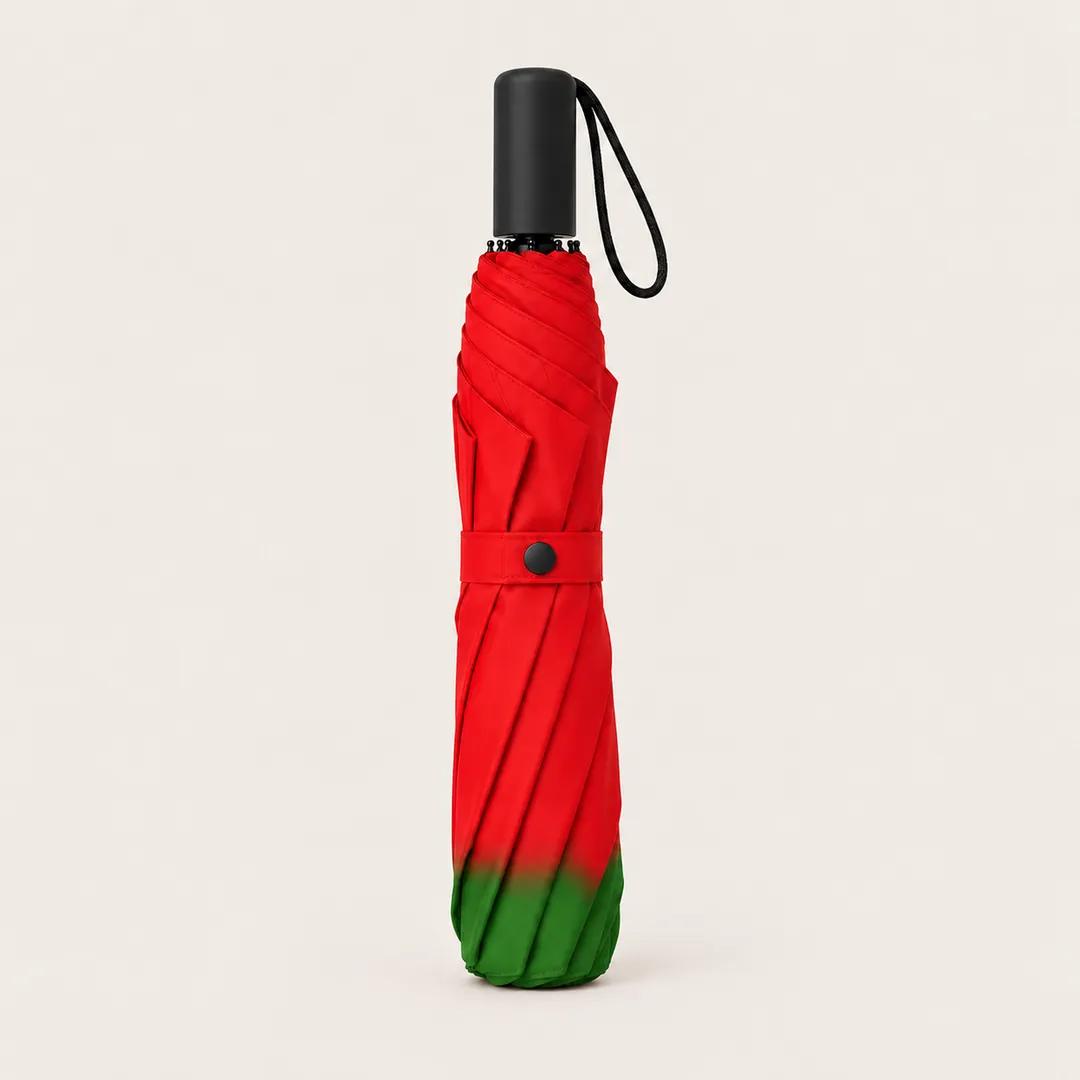
Some concrete situations
Urban commute with gusts
In the city, the wind doesn't always arrive in a regular manner. At the exit of a station, at a street corner, or between two buildings, its direction can change quickly.
In this context, an easy-to-carry umbrella remains important, but I wouldn't sacrifice the entire structure just to get the smallest possible model. A folding format that fits your bag, combined with a frame whose design is well-documented, is a more logical compromise than an extreme search for compactness.
Daily walk
For someone who regularly walks twenty or thirty minutes in the rain, the umbrella remains exposed for longer, making comfort more important. The perceived weight in hand, the handle, and the canopy become significant in addition to the frame.
In this case, I would avoid selecting a model solely because it boasts a high number of ribs. It's important to maintain a holistic view: structure, dimensions, and comfort must remain consistent with the duration of use.
Travel
When traveling, the compromise changes: the umbrella often needs to fit in luggage while still being reliable when the weather worsens.
A folding umbrella can be particularly practical, provided its small closed size is not considered its only quality. Information about its frame and open dimensions remains relevant.
Heavy rain with gusts
When it rains heavily, the temptation is to choose the largest possible canopy. It's understandable: you want to maximize coverage. But if this rain is accompanied by strong gusts, the surface exposed to the wind also comes into play.
Therefore, I would look for an appropriately sized canopy rather than the maximum diameter at all costs, and then consider how the frame is designed.
And when the wind becomes very violent or conditions become dangerous, the reasoning changes completely: the priority is no longer to find the umbrella that can last the longest, but to seek shelter. An umbrella can become difficult to control when conditions deteriorate significantly.
Mistakes I would avoid
- Choosing solely the "windproof" label: it is much more useful when accompanied by technical information about the construction.
- Counting the ribs to determine the best: their number does not explain their material, geometry, or joints.
- Seeking maximum rigidity: a structure's ability to handle deformation also matters.
- Considering fiberglass as a guarantee: the material of one part alone does not allow for judging the entire umbrella.
- Choosing the largest possible diameter: the coverage increases, but so does the surface exposed to the wind.
- Assuming a cane umbrella is always superior to a folding one: their architecture differs, but the actual quality of the model remains crucial.
FAQ: choosing an umbrella for windy conditions
What is the best umbrella for windy conditions?
There is no universally superior format. Look for a consistent frame, ribs and joints suited to the design, a reasonable diameter for your use, and precise technical information rather than a simple "windproof" promise.
How many ribs are needed for a wind-resistant umbrella?
There is no number that alone guarantees resistance. The material, geometry, joints, fixings, canopy diameter, and overall design also matter.
Is fiberglass beneficial for an umbrella?
It can be beneficial for certain parts of a frame where some flex is desired. However, its presence alone does not guarantee that an umbrella will withstand the wind well: the entire structure must be considered.
Does a cane umbrella resist wind better than a folding one?
Not automatically. The cane umbrella generally has a less segmented architecture, while the folding one has more joints to become compact. The quality of the materials, assemblies, and the entire frame remains crucial.
Why does an umbrella turn inside out in the wind?
A gust that gets under the canopy can push the frame in the opposite direction to its normal position. It's important to distinguish between a temporary inversion from which the structure recovers and a permanent deformation or breakage.
Is a large umbrella more sensitive to the wind?
A larger canopy presents more surface area that can be exposed to the wind, but the diameter alone does not predict the umbrella's resistance. The design of the frame and the conditions of use also matter.
What I would consider before choosing
In the face of wind, I would focus less on isolated promises and more on the umbrella's overall coherence. The canopy receives the stress, the frame must manage it, and no single feature tells the whole story.
Some flexibility can be useful without "more flexible" meaning "better." More ribs can change the distribution of forces without being a guarantee. A large canopy offers better rain protection while presenting more surface to the wind.
This balance seems much more relevant to me than seeking a supposedly indestructible umbrella.